

Navigating the Sustainability Landscape: Which Certifications Matter?
As the labyrinth of wine industry certifications continues to expand, consumers often find themselves without a compass.
As the labyrinth of wine industry certifications continues to expand, consumers often find themselves without a compass.
Visit Sacramento and Slow Food International will host Terra Madre Americas, the American version of the internationally acclaimed Terra Madre Salone del Gusto food conference May 17th – 19th at the Sacramento Convention Center. Programming focuses on three key Slow Food themes – wine, coffee and biocultural territories of Latin America and the Caribbean. The event is free to the public and brings together wineries, food producers, scientists, cooks, and researchers from the United States and Latin America for educational and interactive experiences for all ages. Additional ticketed event opportunities including Slow Wine USA masterclasses programmed by Slow Wine USA editors Deborah Parker Wong and Pam Strayer with producers from the 2024 Slow Wine USA guide. Saturday, 5/18 1:00 PM – 2:00 PM Slow Wine: Take Your Time, Everyday Wines: Wines Priced $30 and Under, $50 Speakers: Deborah Parker Wong, journalist and Slow Wine USA director, and Pam Strayer, journalist and Slow Wine USA co-director. Little known fact: Lodi and the Sierra Foothills offer affordable, artisanal wines (priced below $30). Explore California wines from lesser-known varieties originally from …

Sustainability is a catch-all term that’s tossed around casually to refer to just about anything even remotely related to climate action, resource conservation, and land stewardship. But for Martin Reyes, MW, and the panel of winemakers that joined him for the “Napa Valley’s Green Scene” session at SommCon in San Diego in September, achieving sustainability requires taking concrete steps with the intention of ensuring the viability of the planet, the broader community, and the wines that are grown and produced in Napa Valley well into the future.
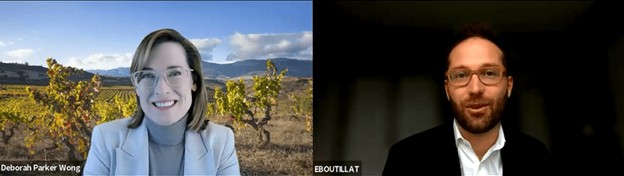
I spoke with Émilien Boutillat, chef de cave at Champagne Piper Heidsieck, this week from New York for an update on the maison’s sustainability initiatives and the launch of Essentiel in the U.S. Find the video here. Boutillat took the reins from Régis Camus, who now oversees Rare, in October 2018. He’s a native of Champagne where his father is a grower and has worked in winegrowing regions – including for Peter Michael in Sonoma – around the world. The interview touches on several topics with an emphasis on the company’s sustainability efforts which include being the first Champagne house to achieve B Corp certification (2022) in addition to holding HVE3 (Haut Valeur Environmentale Level 3) and VDC (Viticulture Durable en Champagne) since 2015. As of 2020 they no longer farm using herbicides and are working with their growers to acheive the same level of stewardship. What’s new at Piper Heidsieck Meet Bacchus, the Vitibot, and learn more about Piper Heidsieck’s goals to reduce their and the Champagne AOP’s carbon footprint by reducing bottle weights …

An infamous rooster named Maurice and a gaggle of contented geese have helped ensure biodiversity in France. In the face of complaints about the noises and smells typical of the countryside, the French Parliament passed a law on January 21, 2021, protecting what it calls the “sensory heritage” of its rural areas.

A compact, smart, electric tractor has been on the wish list of sustainably-minded winegrowers the world over. With no significant advances in tractor technology for more than a decade, the arrival of the Monarch tractor represents the missing link needed to fast track the integration of precision agriculture and address the growing labor challenges confronting the wine industry.
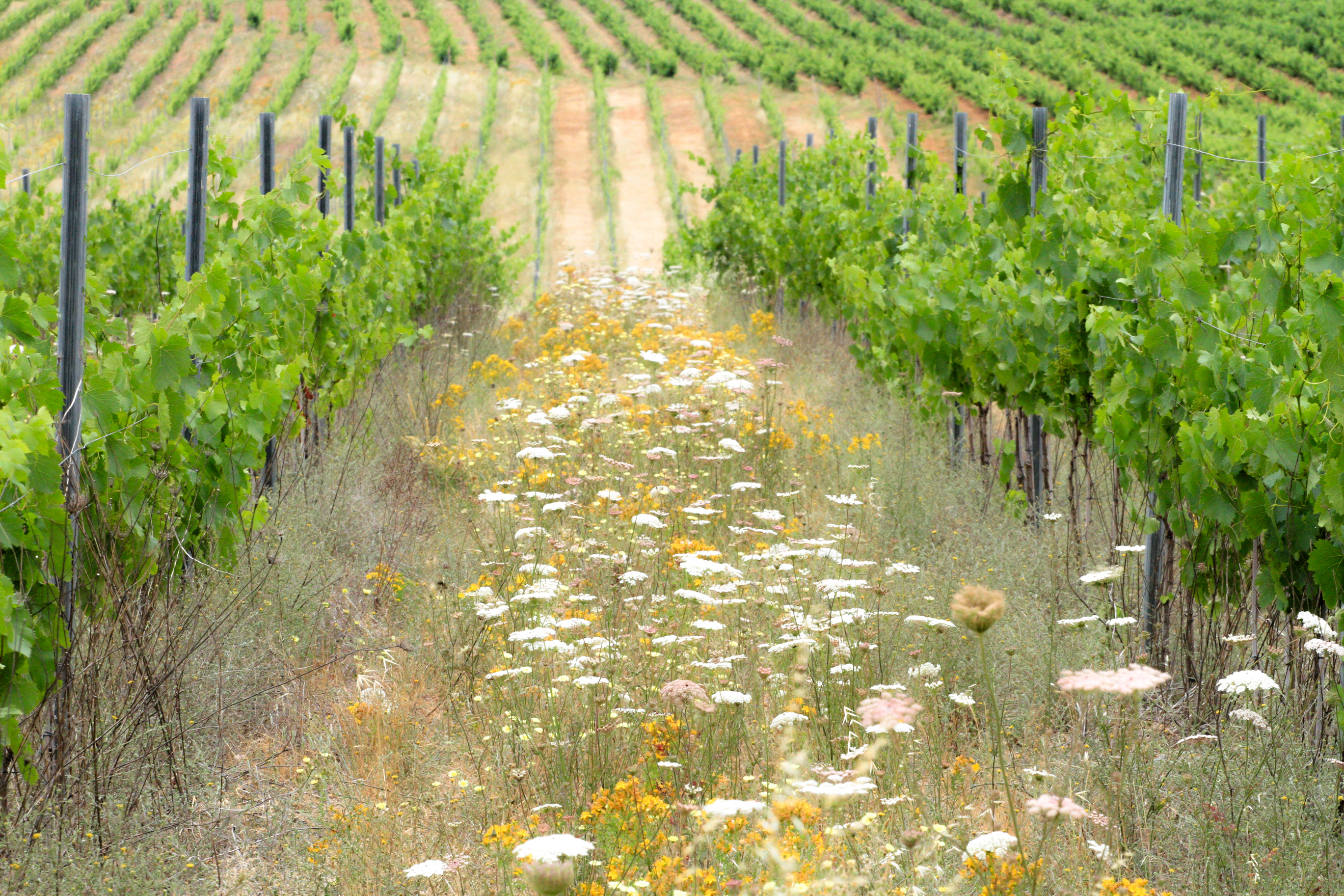
Producers in the Portuguese winegrowing region of Alentejo— whose vineyards encompass about 18,000 hectares, or almost a third of the country—have made significant gains in sustainability under the guidance of the Wines of Alentejo Sustainability Program (WASP).

Enjoy your free digital edition of the 2020 Slow Wine Guide.

Spanish missionaries at Mission Soledad first planted vineyards in the region now known as the Santa Lucia Highlands AVA in the late 18th century. But winegrowing on the windswept terraces of the Santa Lucia mountain range began in earnest in 1973 when Rich and Claudia Smith established the Paraiso Vineyard. Parasio is the tenth iconic vineyard to be acknowledged by the California State Fair as Vineyard of the Year.

With millions of unknown species existing in a ton of soil, biologist Edward Osborne Wilson has called bacteria “the dark matter of the biological world.” While our knowledge of the roles known bacteria play in the vineyard enables us to make delicious wine, the unknown far exceeds the understood when it comes to analyzing these soil microbiomes. According to biochemist Paco Cifuentes, who has compared studies from hundreds of vineyards, there’s a distinct kingdom of organisms found only in soils farmed sustainably with organic fertilizers. When evaluating the health of a vineyard, the presence of these organisms becomes a marker for sustainability and diversity. “In a conventionally-farmed vineyard, you’ll find on average 500–700 different types of microorganisms,” says Cifuentes. “In sites that are farmed sustainably, we find anywhere from 1,000–1,200 microorganisms, the majority of which are bacteria.” This promotes an environment of checks and balances where beneficial organisms can effectively suppress harmful organisms and help prevent disease. That vast array of potentially present microorganisms includes “a dozen or so very distinctive organisms that never show …
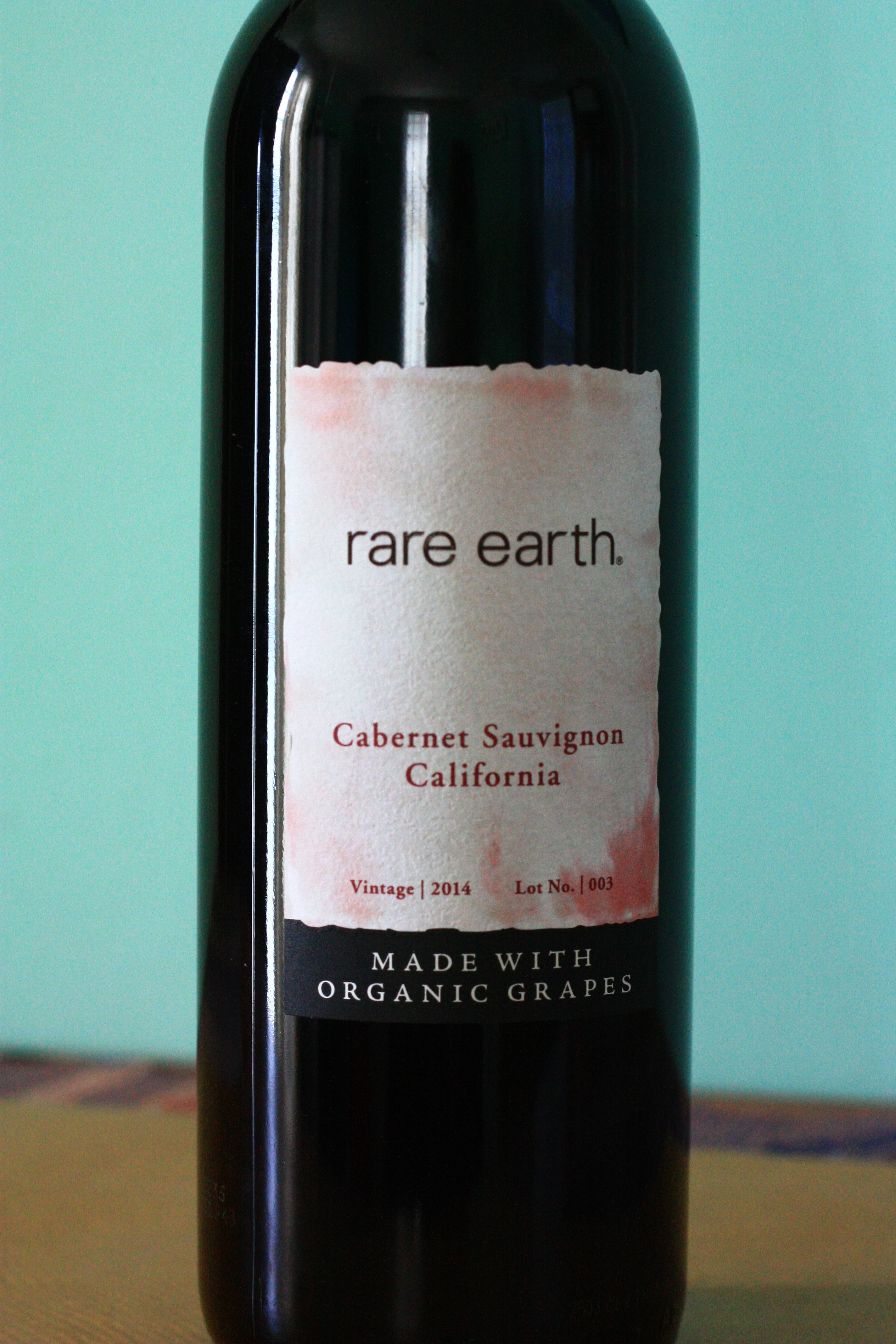
A focus on sustainability
drives progress as Bronco
Wine Company hits a
1 billion bottle milestone.