

25 Wines Spied in “Drops of God” Second Season
French wines takes center stage in season two.
French wines takes center stage in season two.

A guide to the producers of the North Adriatic region.

Fog over the Pelletti Vineyard in Laguna Hills, Russian River Valley.

As the labyrinth of wine industry certifications continues to expand, consumers often find themselves without a compass.

Gigondas joins Languedoc’s oldest white-wine AOP, Clairette du Languedoc, established in 1948, and Clairette de Bellegarde, a tiny Southern Rhône AOP in the Costières de Nîmes, in showcasing
Clairette, which often serves as the base in Southern Rhône and Languedoc blends.
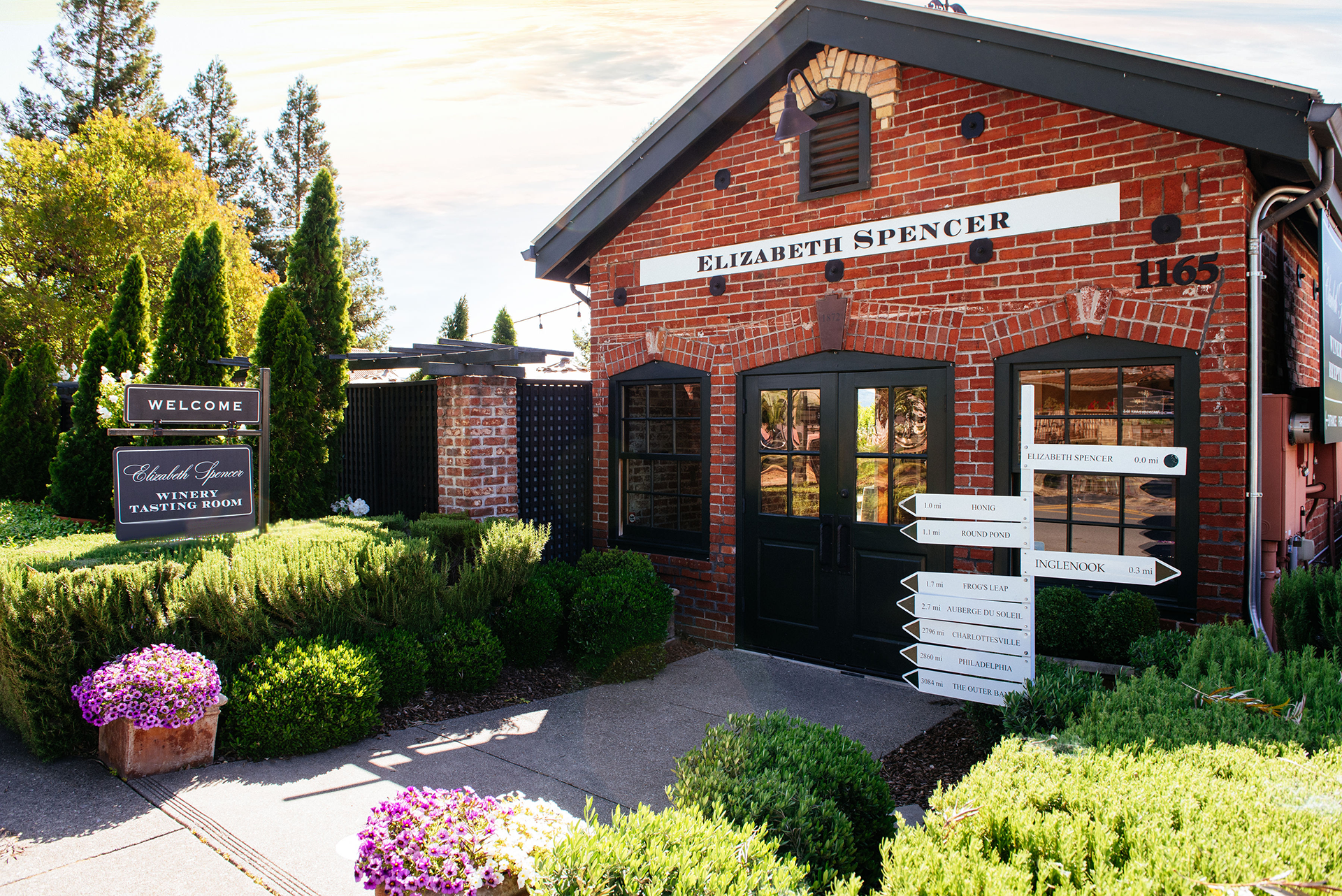
Elizabeth Spencer’s Sarah Vandendriessche guides the Napa Valley Vintners’ environmental stewardship committee.

Biodiversity equals stability was the key message at Siclia’s second international SOStain symposium.

Last December, a like-minded group of winemakers and winegrowers gathered to share the fruits of the labor and celebrate being part of the Slow Wine USA community to mark the release of the seventh edition of the Slow Wine Guide USA.

Sustainability is a catch-all term that’s tossed around casually to refer to just about anything even remotely related to climate action, resource conservation, and land stewardship. But for Martin Reyes, MW, and the panel of winemakers that joined him for the “Napa Valley’s Green Scene” session at SommCon in San Diego in September, achieving sustainability requires taking concrete steps with the intention of ensuring the viability of the planet, the broader community, and the wines that are grown and produced in Napa Valley well into the future.

I spoke with Émilien Boutillat, chef de cave at Champagne Piper Heidsieck, this week from New York for an update on the maison’s sustainability initiatives and the launch of Essentiel in the U.S. Find the video here. Boutillat took the reins from Régis Camus, who now oversees Rare, in October 2018. He’s a native of Champagne where his father is a grower and has worked in winegrowing regions – including for Peter Michael in Sonoma – around the world. The interview touches on several topics with an emphasis on the company’s sustainability efforts which include being the first Champagne house to achieve B Corp certification (2022) in addition to holding HVE3 (Haut Valeur Environmentale Level 3) and VDC (Viticulture Durable en Champagne) since 2015. As of 2020 they no longer farm using herbicides and are working with their growers to acheive the same level of stewardship. What’s new at Piper Heidsieck Meet Bacchus, the Vitibot, and learn more about Piper Heidsieck’s goals to reduce their and the Champagne AOP’s carbon footprint by reducing bottle weights …
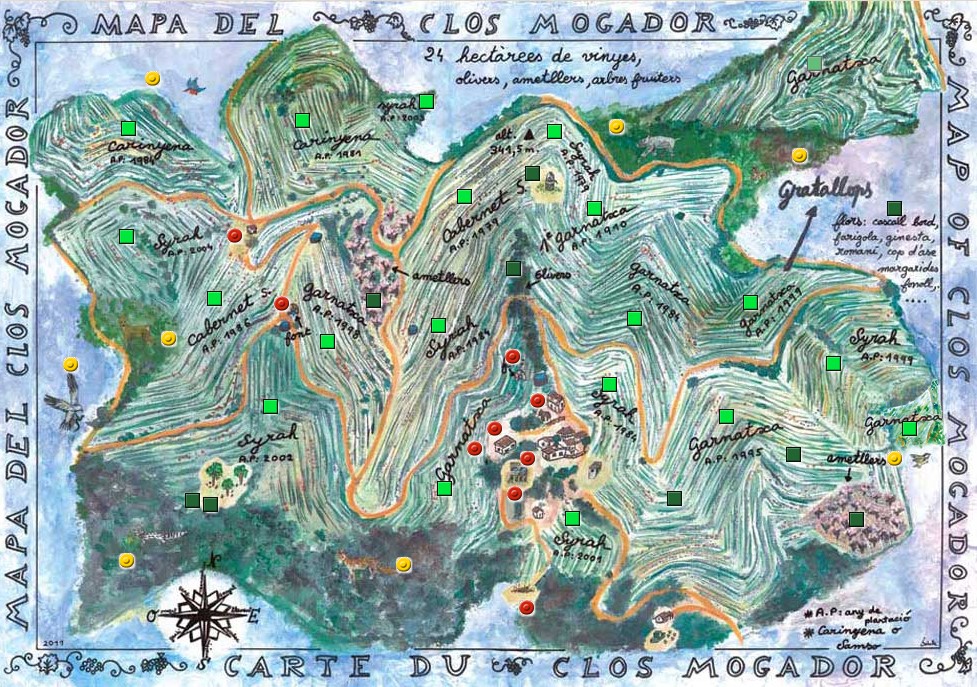
No matter one’s knowledge of wine, there is simply no substitute for tasting. For those of us who keep an eye on the world’s ever-evolving wine regions, that means seizing an opportunity to taste as well as to meet the makers.


In her role as head winemaker at Markham, Kimberlee Nicholls directs an all-female team that includes assistant winemaker Abigail Horstman, enologist Patricia Sciacca and viticulturist Taylor Abudi. The collaborative culture that thrives at Markham is a direct result of how she prioritizes the professional growth of her team.
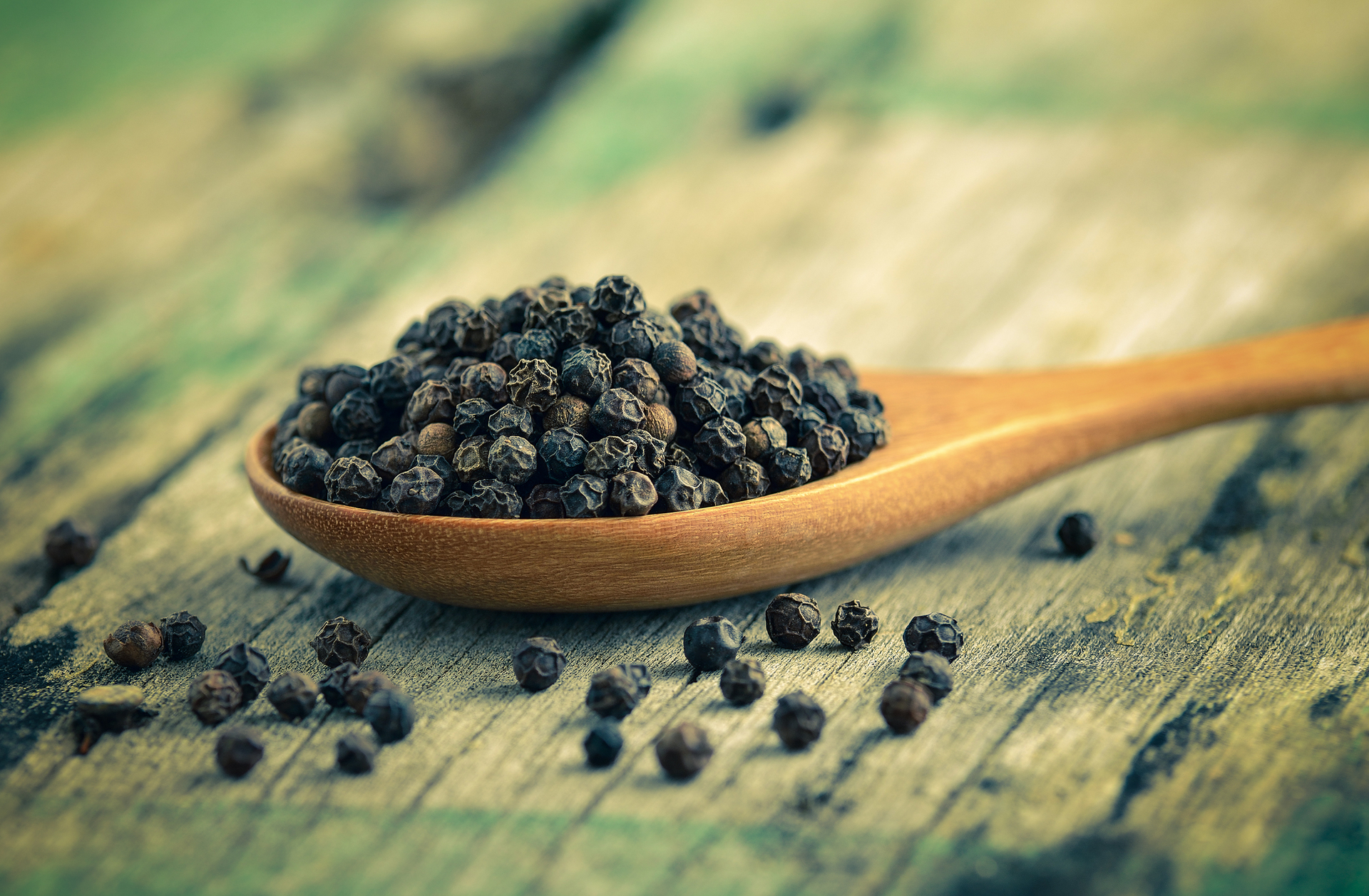
Now the days of comparing a
glass of Northern Rhône Syrah to
a strip of peppered bacon appear
to be coming to an end.

Alvarinho produced in its native terroir is incomparable to expressions of the variety grown elsewhere. But it may ultimately prove to be on a trajectory similar to that of Pinot Gris, which is renowned for producing light, delicately floral wines in Italy’s Collio region and wines of great mineral intensity and fruit purity in Alsace. Time will tell.

An infamous rooster named Maurice and a gaggle of contented geese have helped ensure biodiversity in France. In the face of complaints about the noises and smells typical of the countryside, the French Parliament passed a law on January 21, 2021, protecting what it calls the “sensory heritage” of its rural areas.

A compact, smart, electric tractor has been on the wish list of sustainably-minded winegrowers the world over. With no significant advances in tractor technology for more than a decade, the arrival of the Monarch tractor represents the missing link needed to fast track the integration of precision agriculture and address the growing labor challenges confronting the wine industry.

Chinese translation by Rex Ting-chia Ting, DipWSET Rex Ting-chia Ting, DipWSET has translated Bobal: Past, Present and Future for those who read Chinese. Enjoy!

In the search for alternative ways to control grape vine diseases while reducing the use of synthetic herbicides and pesticides, a cadre of modern hybrids—second- and third-generation interspecific varieties— are demonstrating considerable promise in both the vineyard and the glass.

When I first tasted the Valpolicella wines produced by Valentina Cubi in January of 2011, I was captivated. After visiting the organic estate a few times over the last decade and tasting the wines during the annual Amarone Anteprima events that are held every February in Verona, my appreciation has only deepened. This year the winery which is located in the Valpolicella Classico region of Fumane marks a key milestone celebrating a decade of organic certification.
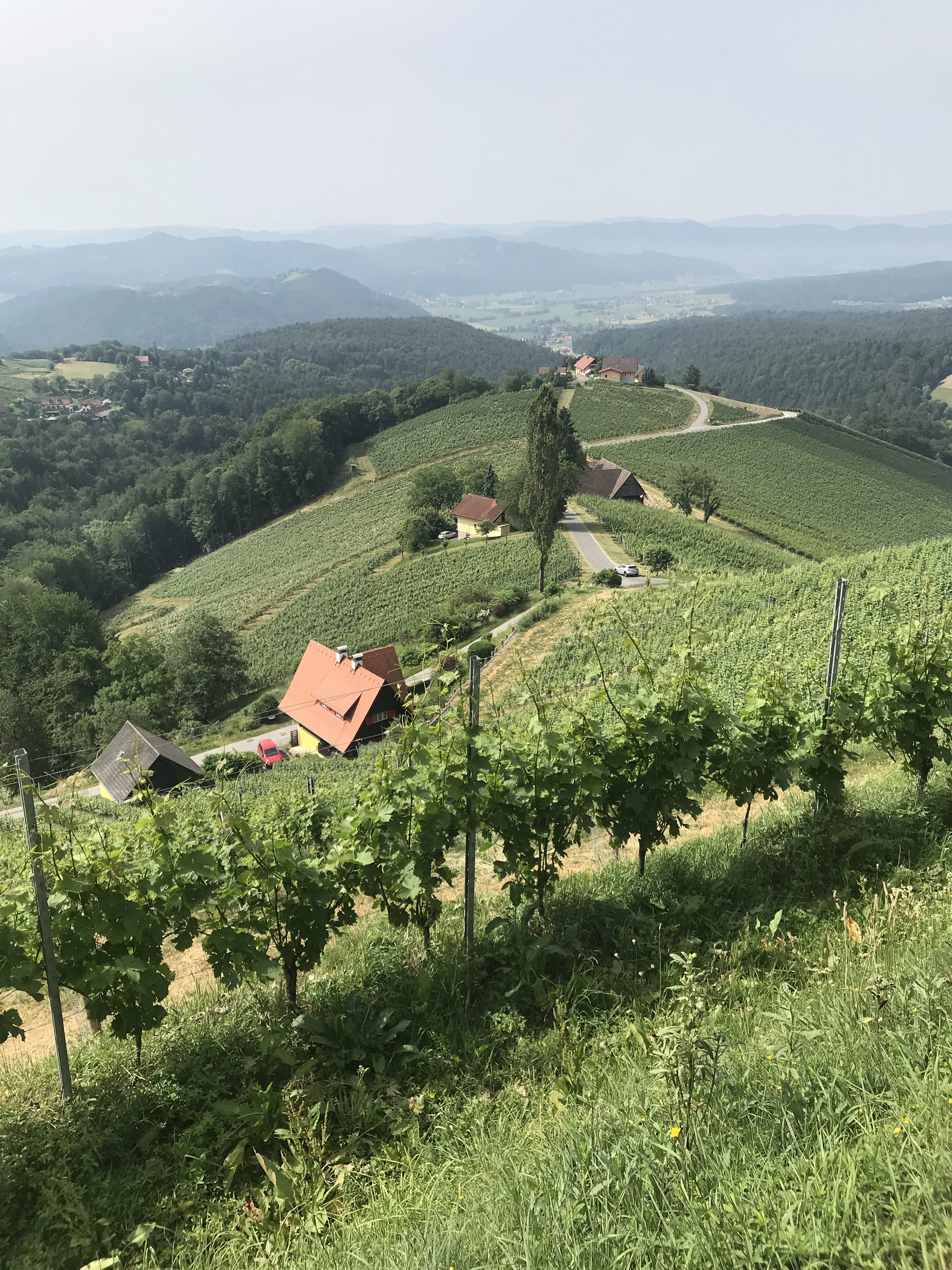
It’s Sauvignon Blanc—not Grüner Veltliner—that’s the star of the show in Austria’s Südsteiermark DAC, a historic winegrowing region in the country’s southern state of Styria that has evolved rapidly over the last thirty years. The variety is grown at high elevation in all five of Südsteiermark’s sub regions and on steep slopes that rival those of the Mosel.
Iron Age wineries tamed the ancestor of the indigenous Bobal vines of Utiel-Requena.

Enjoy your free digital edition of the 2020 Slow Wine Guide.
I’ll be teaching Wine 123: Causation and Detection of Wine Defects at Santa Rosa JC next semester (Spring 2020). Check out our video courtesy of the Distance Learning department’s Emily Hansen –

The recuperation of New Mexico’s wine industry began in earnest when Italian, German, and French viticulturists brought their expertise to the state in the 1980s. Winegrowing in New Mexico continues to be influenced by these modern-day founding fathers, their families and a host of young winegrowers who are quickly elevating the quality and style of the region’s wines.

Spanish missionaries at Mission Soledad first planted vineyards in the region now known as the Santa Lucia Highlands AVA in the late 18th century. But winegrowing on the windswept terraces of the Santa Lucia mountain range began in earnest in 1973 when Rich and Claudia Smith established the Paraiso Vineyard. Parasio is the tenth iconic vineyard to be acknowledged by the California State Fair as Vineyard of the Year.

With millions of unknown species existing in a ton of soil, biologist Edward Osborne Wilson has called bacteria “the dark matter of the biological world.” While our knowledge of the roles known bacteria play in the vineyard enables us to make delicious wine, the unknown far exceeds the understood when it comes to analyzing these soil microbiomes. According to biochemist Paco Cifuentes, who has compared studies from hundreds of vineyards, there’s a distinct kingdom of organisms found only in soils farmed sustainably with organic fertilizers. When evaluating the health of a vineyard, the presence of these organisms becomes a marker for sustainability and diversity. “In a conventionally-farmed vineyard, you’ll find on average 500–700 different types of microorganisms,” says Cifuentes. “In sites that are farmed sustainably, we find anywhere from 1,000–1,200 microorganisms, the majority of which are bacteria.” This promotes an environment of checks and balances where beneficial organisms can effectively suppress harmful organisms and help prevent disease. That vast array of potentially present microorganisms includes “a dozen or so very distinctive organisms that never show …

Sicily’s native grapes and the dawn of Italian wine culture.

Agricultural drones may be creating plenty of buzz, but their terrestrial cousins — the robots — are poised to make their commercial debut. Next year promises to be the year of the agricultural robot. With the altruistic vision of creating a sustainable society where future generations are free from worry about food security and safety, the world’s first robotic lettuce farm will go into production in 2017. Kyoto, Japan-based company, Spread, has retooled an indoor vertical lettuce plant where robots will plant, water, harvest and trim up to 30,000 heads of lettuce every day. The automated plant will reduce labor costs by 50%, cut energy use by 30% and recycle 98% of the water needed to grow the crops. The company has plans to build similar robot farms to grow staple crops and plant protein around the world. Growing lettuce in a greenhouse is a far cry from managing a vineyard, but from apple harvesting robots that can carry bins of fruit weighing half a ton, to grapevine pruning rovers that make surgical cuts, several …

In a rare and much anticipated public address, Bronco CEO Fred Franzia delivered the January 26 keynote speech and, with it, set the stage for the 2016 Unified Wine & Grape Symposium in Sacramento. Franzia paid homage to the founding figures of the California wine industry, including his uncle Ernest Gallo, with a look back at their history and, with his characteristic candor, tackled some of the trade’s most relevant topics. As the nation’s largest vineyard owner — Bronco Wine owns in excess of 40,000 acres — he was quick to count grape growers among the most interesting and opinionated people he deals with in the industry. He credited Central Valley growers with teaching him much through the many hours he’s spent in their company over the last 50 years. Expressing regard for his peers and fellow industry icons Robert Mondavi and Jess Jackson, Franzia pointed to their similar practice of always tasting blind and their keen ability to critique what they tasted. On the subject of industry growth, Franzia was at once optimistic and …