
Olfaction is Better When Paired with Sight
Humans may use their sense of sight more,
but through smell, we can determine such things as the quality and consistency of foods and beverages.
Humans may use their sense of sight more,
but through smell, we can determine such things as the quality and consistency of foods and beverages.

Anywhere from 1% to 4% of the population is affected by aphantasia, meaning their mind’s eye is effectively blind.
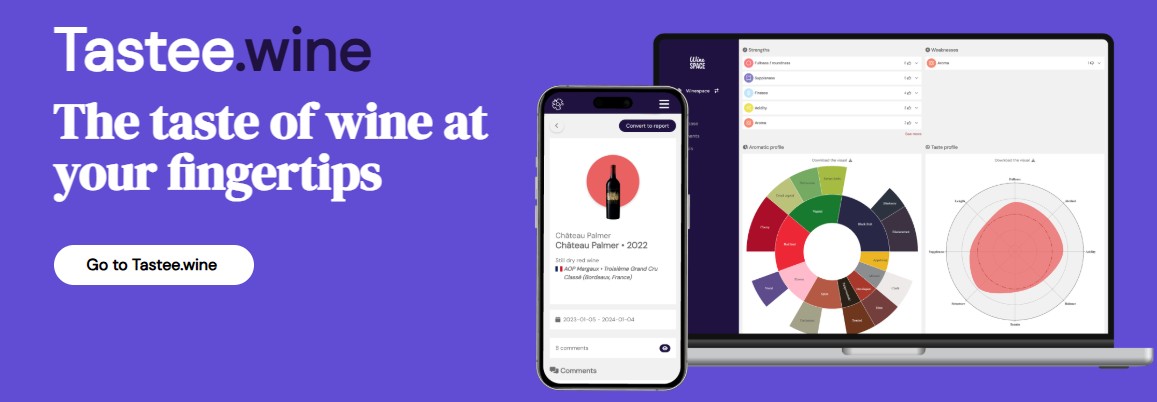
In 2021, The prestigious Concours Mondial de Bruxelles (CMB) wine competition began using artificial intelligence (AI) developed by Winespace, a Bordeaux-based firm founded by Sylvain Thibaud and Julian Laithier in 2015, as part of its judging protocol as a valueadded feedback mechanism for producers.

Bubbles are the hallmark of all sparkling wines, and they play a significant role in the cachet that surrounds this category. Even the terms “bubbles,” “mousse,” and “Champagne” elicit a pleasurable response in expert and novice consumers alike.

A guide to the producers of the North Adriatic region.

According to neuroscientist Camilla Arndal Andersen, how consumers describe the taste of food can be misleading largely due to inherent biases. Among the most problematic is the “courtesy bias,” which comes into play when people respond with what they see as a socially acceptable opinion that doesn’t accurately reflect how they feel. There’s also the “bias blind spot,” in which we think we’re less biased than others. In short, we’re biased about our biases.

Fog over the Pelletti Vineyard in Laguna Hills, Russian River Valley.
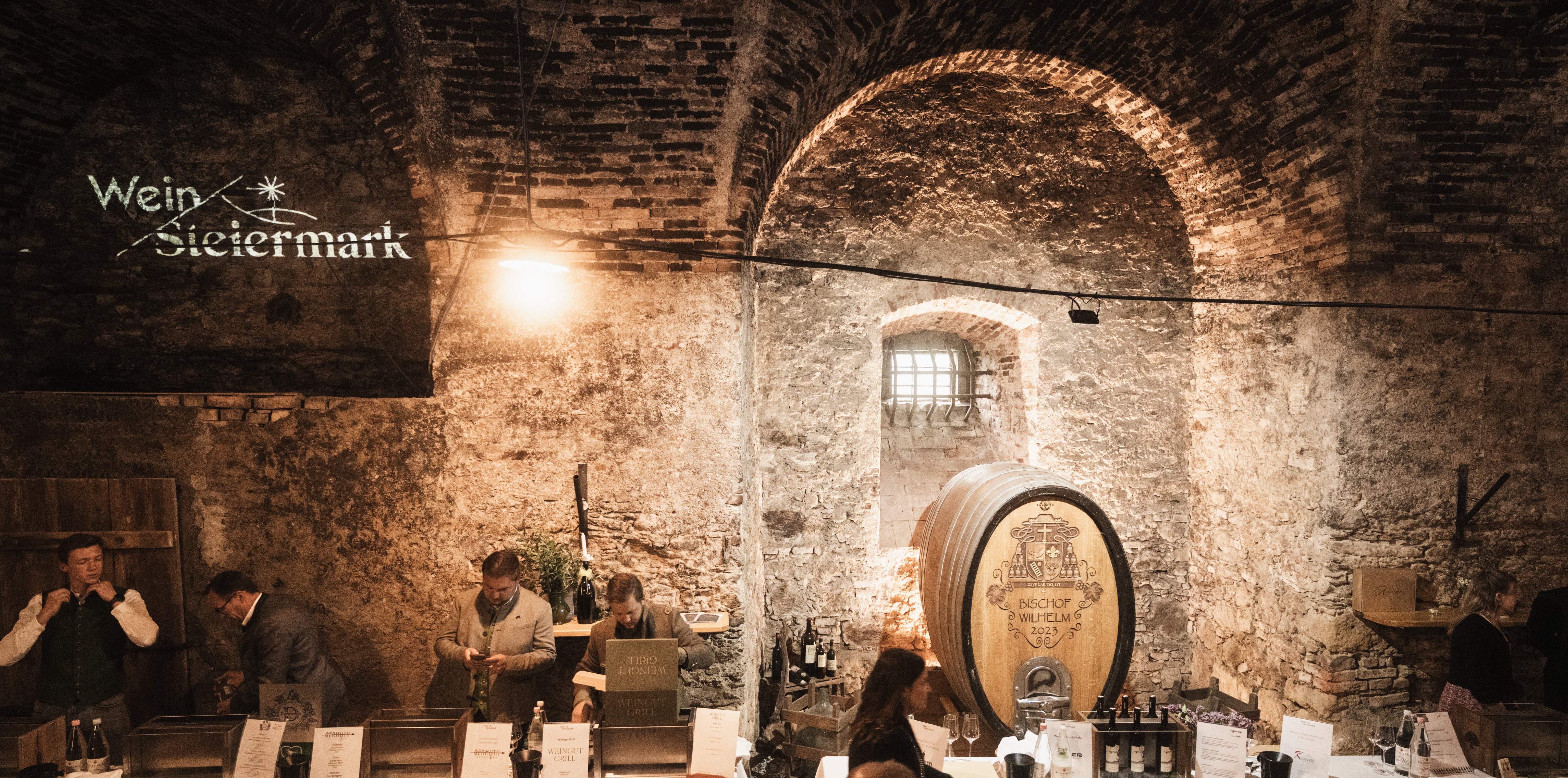
New metrics shed light on scores and medals in wine competitions

There’s no question the pandemic has amplified the influence of the experience economy, which gives businesses a potentially lucrative channel for success in an unpredictable market while enhancing their level of direct engagement with consumers.
A group of professional palates recently gathered for dinner at Auro, the one-Michelin-starred restaurant at the Four Seasons Resort and Residences Napa Valley in Calistoga, California, for a tasting hosted by Clos de los Siete founder Michel Rolland and managing director Ramiro Barrios to commemorate the 20th anniversary of the estate, located in Argentina’s Uco Valley.

Gigondas joins Languedoc’s oldest white-wine AOP, Clairette du Languedoc, established in 1948, and Clairette de Bellegarde, a tiny Southern Rhône AOP in the Costières de Nîmes, in showcasing
Clairette, which often serves as the base in Southern Rhône and Languedoc blends.

A wine’s scent is one of the best indications of its quality. The hedonic effects of wine are influenced by hundreds of volatile aroma compounds, making it one of the most complex of food and
beverage products.

Interest in lower-acohol wines is growing among consumers putting producers like Jordan back in the limelight. “Our Bordeaux-style Cabernet and Burgundy-style Chardonnay wines . . . range between 12.6% and 13.8% [alcohol], compared to the California average of 14.5%,” says Jordan winemaker Maggie Kruse. “This represents far more than numbers; lower-alcohol wines have a more balanced flavor profile.”
Let’s introduce novice wine consumers to the sweet wines of the world first and bridge them to dry styles made from the same grape varieties.
With the creation of a new Tawny Port and White Port categories in March 2022, bottles sporting a 50-year age statement on their labels began to make their debut in January 2023. Prior to the new ruling, cask-matured Tawny and White Ports were categorized as ten, 20, 30, or over 40 years of age; at 50 years, the wines were simply categorized as Very Old. Fifty is the average age of the rare wood-aged Ports from several vintages comprising these blends. In the case of Tawny, one key sensory aspect is the absence of aromas and flavors associated with new oak, which it is never aged in. Kopke, the oldest of Portugal’s Port houses, was established in 1638and possesses one of the deepest inventories of aged Tawnies in theDouro Valley. Along with a handful of other producers, including Messias, Sandeman, Taylor, Quinta do Mourão, and Quinta do Vallado, it has now released a 50-year-old bottling. In honor of the launch, Kopke master blender Carla Tiago led a blendingexercise hosted by Skurnik Wines & Spirits at …

Biodiversity equals stability was the key message at Siclia’s second international SOStain symposium.

Wine aromas are t work when we pour a glass of grassy Sauvignon Blanc and feel a deep sense of relief.

Last December, a like-minded group of winemakers and winegrowers gathered to share the fruits of the labor and celebrate being part of the Slow Wine USA community to mark the release of the seventh edition of the Slow Wine Guide USA.

Due to their reputation as vectors for Brettanomyces and their unwelcome presence when discovered swimming in one’s glass, fruit flies have long been viewed as annoying pests by wine drinkers. But as research subjects, they’re surprisingly beneficial: Their brains are teaching us more about how we humans learn to differentiate aromas.
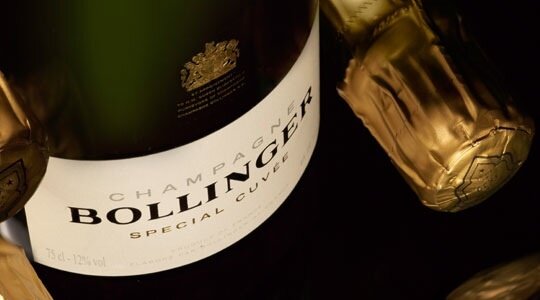
In May, Cyril Delarue, a sixth-generation pro- prietor of Champagne Bollinger who oversees the producer’s U.S. interests, celebrated the release of the Bollinger 2008 R.D. Extra Brut ($360) at San Francisco restaurant The Progress. Delarue collaborated with The Progress chef-owner Stewart Brioza in creating a six-course menu that was paired with nine wines ranging in age from the nonvintage Special Cuvée Brut ($150) in magnum to the oldest wine of the evening, the 2002 La Grande Année ($250). The wines were ordered such that the 2002 and 2008 La Grande Année—the cuvée that is selected in superior vintages to become R.D., which stands for “recently disgorged”—were tasted first. The first vintage of the R.D. Extra Brut was made in 1952 and released in 1967; today, it continues to be highly sought after by collectors for its longevity. The 2008 R.D. Extra Brut is a blend of 71% Pinot Noir and 29% Chardonnay from 18 crus and simultaneously shows exuberant freshness and development withtoasty aromas, dried stone fruits, and distinct truffle notes that were mirrored in …
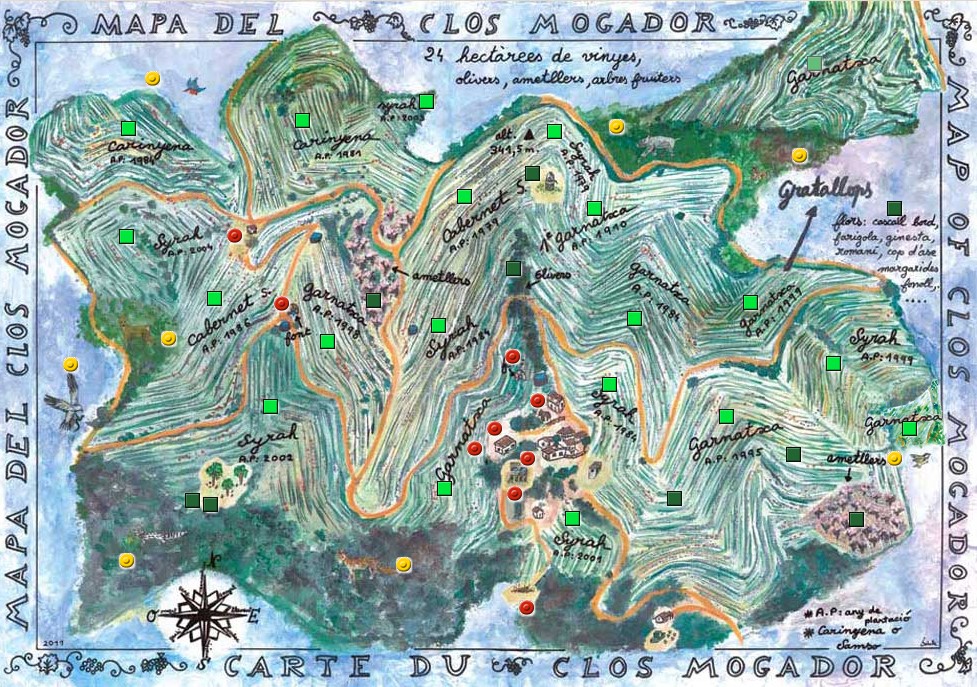
No matter one’s knowledge of wine, there is simply no substitute for tasting. For those of us who keep an eye on the world’s ever-evolving wine regions, that means seizing an opportunity to taste as well as to meet the makers.
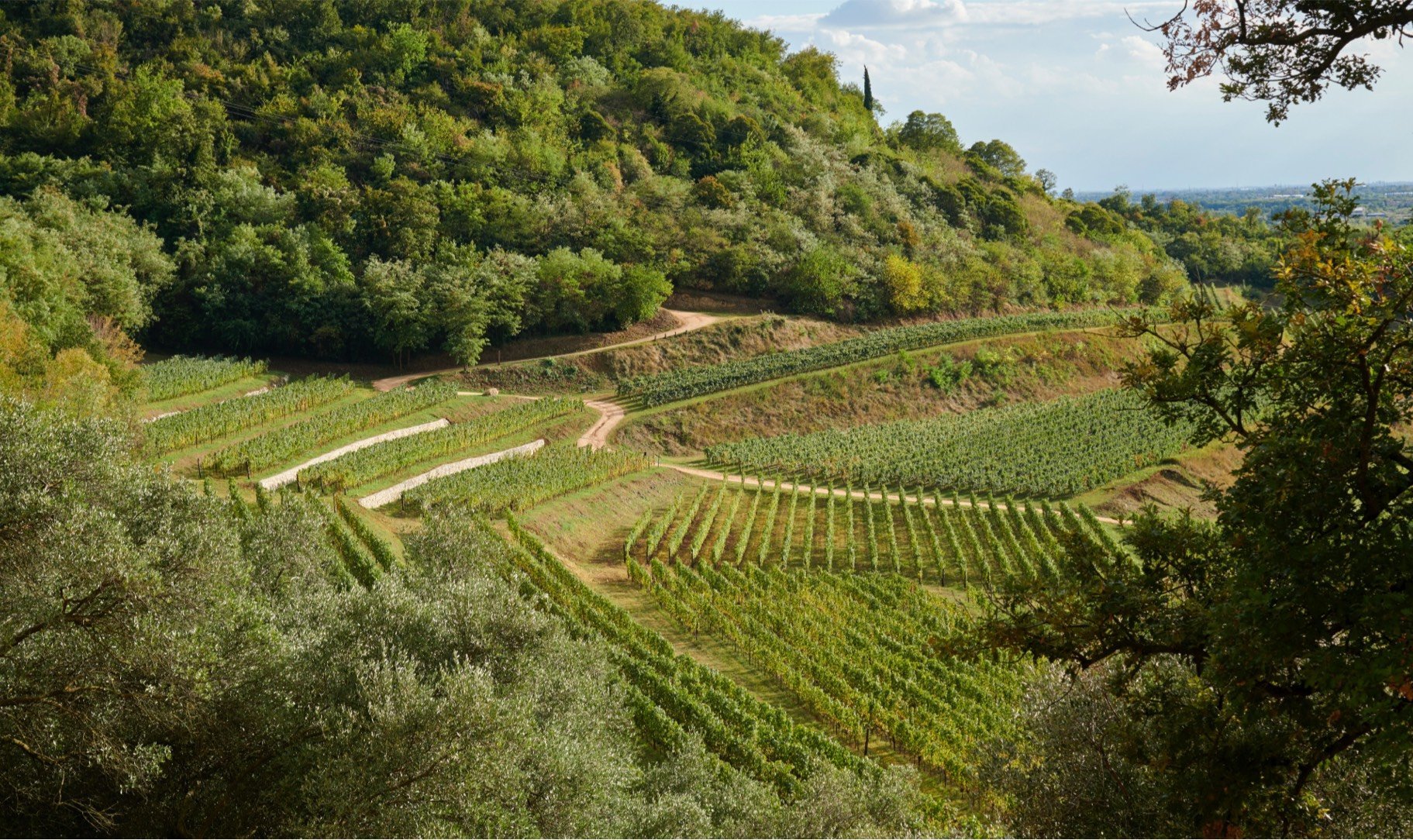
For Lonardi, the drying process known as appassimento that’s used to make Amarone produces wines that are expressive of terroir. Researchers studying
the compounds found in Corvina—the indigenous grape that is the foundation of the wine’s blend—agree. Typical markers for Corvina include balsamic and tobacco notes that increase during appassimento, and the presence of these markers in aged wines points to specific vintage conditions.

Wine culture in Itata Valley, the northernmost of Chile’s three southern wine regions, exemplifies what is known as “evolution in isolation.” Experiencing no phylloxera and only a modest incursion of international grape varieties, this isolated region has held on to its heritage grapes and ancestral winemaking practices seldom found beyond its borders.

Of the California wineries celebrating their 50th birth year in 2022, six gathered to mark the occasion with a retrospective tasting at The Culinary Institute of America at Greystone in St. Helena. Each dazzled us with three wines while reflecting on five decades of harvests and providing a snapshot of their current vintages.

In an effort to expand my perception beyond my daily work with beverage alcohol, I tackle the evaluation of chocolate and fragrance a few times each year by judging hundreds of products as part of an unpaid panel.
As a species, we’ve been eating and drinking to intentionally alter our states of perception ever since. For generations, the indigenous peoples of the Congo, Nigeria, and Ghana have used the fruit (and leaves) of Synsepalum dulcificum, a shrub indigenous to West
and Central Africa, in ethnomedicine. The taste-altering properties of this flavorless, bright-red berry—dubbed “the miracle fruit,” it’s about the size of a coffee bean—make for a fascinating sensory experience.

Get US Market Ready host Steve Raye talks with Slow Wine Guide USA National Editor Deborah Parker Wong about her journey and work as an educator, journalist and much more. The 2021 Slow Wine Guide USA is available on Amazon.com.
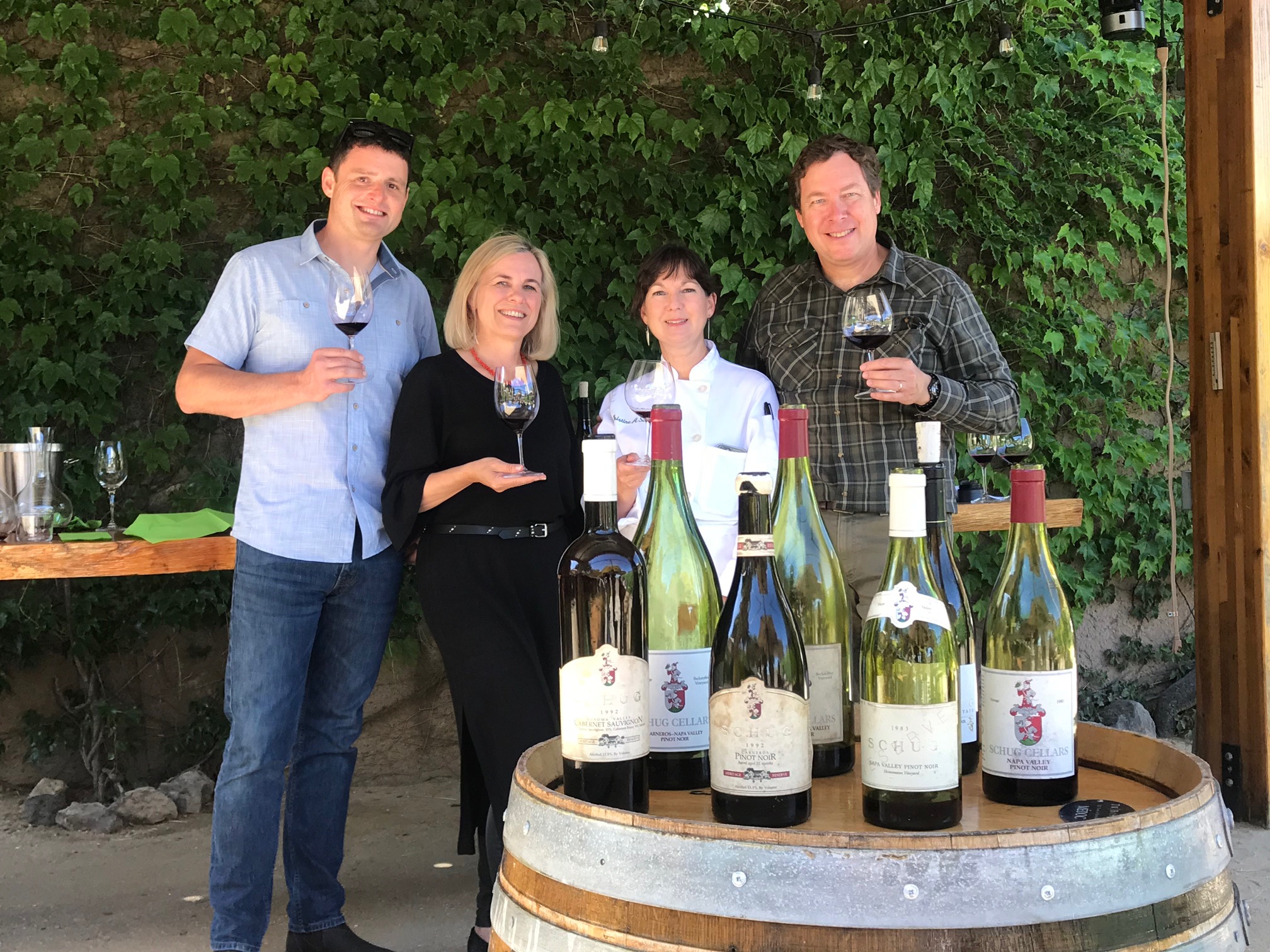
Walter Schug departed this world in 2015 but his passion for Pinot Noir lives on at Schug Carneros Estate which is celebrating 41 years of devotion to the variety. Axel and Claudia Schug, third generation winegrowers, were joined by chef Kristine Schug and winemaker Johannes Scheid as they presented a retrospective tasting that spanned the past, present and future of the Carneros estate winery.

As beverage companies experiment with new ways to improve water’s hydrating ability while incorporating additional health benefits, they’ve embraced the use of CBD derived from hemp. Its biphasic properties are similar to those of alcohol in that small doses are uplifting, while larger doses suppress mood and energy.
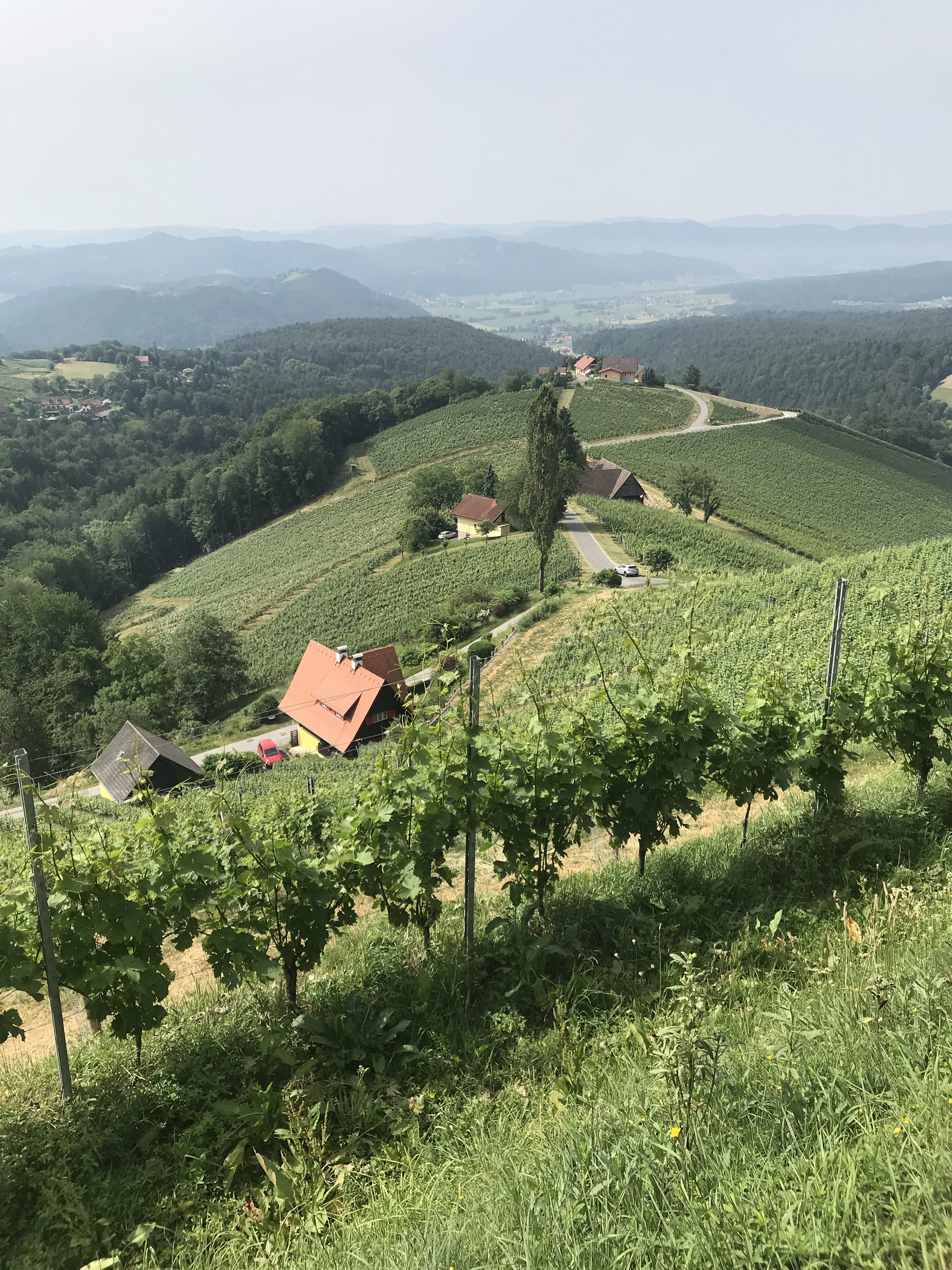
It’s Sauvignon Blanc—not Grüner Veltliner—that’s the star of the show in Austria’s Südsteiermark DAC, a historic winegrowing region in the country’s southern state of Styria that has evolved rapidly over the last thirty years. The variety is grown at high elevation in all five of Südsteiermark’s sub regions and on steep slopes that rival those of the Mosel.

Inspired by its striking maritime climate—attributable to the juxtaposition of the San Rafael Mountain and Transverse Ranges to the Pacific coast as well as to its chalky, sandy loam soils—the Miller Family named the site Bien Nacido, which means “well born” in Spanish, and planted it in 1973.
Iron Age wineries tamed the ancestor of the indigenous Bobal vines of Utiel-Requena.
Many who consider the sensory evaluation of wine to be a purely subjective exercise cite our differences in perception as the basis for that belief. While it’s true that our abilities to perceive aromas and tastes vary, using an olfactometer we’re able to accurately measure the thresholds at which different tasters perceive the volatile organic compounds found in wine. Research has also shown that a like group of tasters, those who are equal to the task, can consistently gauge the intensities of the aromas, tastes and structural aspects of wine. Compared to humans, who scientists believe can detect in excess of one trillion odors and identify a few thousand, the latest generation of olfactory and gustatory biosensors can detect up to 350 smells in about 15 seconds. Developed by a molecular biologist and nanobioscientist in Grenoble, France, the Aryballe Technologies NeOse Pro, a handheld e-nose that made its debut at the Consumer Electronics Show this January, uses surface plasmon resonance imaging (SPRi) and biochemical sensors to analyze volatile organic compounds responsible for aroma and taste. …