

Aphantasia, revealing the Blind Mind’s Eye
Anywhere from 1% to 4% of the population is affected by aphantasia, meaning their mind’s eye is effectively blind.
Anywhere from 1% to 4% of the population is affected by aphantasia, meaning their mind’s eye is effectively blind.
In 2021, The prestigious Concours Mondial de Bruxelles (CMB) wine competition began using artificial intelligence (AI) developed by Winespace, a Bordeaux-based firm founded by Sylvain Thibaud and Julian Laithier in 2015, as part of its judging protocol as a valueadded feedback mechanism for producers.

Bubbles are the hallmark of all sparkling wines, and they play a significant role in the cachet that surrounds this category. Even the terms “bubbles,” “mousse,” and “Champagne” elicit a pleasurable response in expert and novice consumers alike.

According to neuroscientist Camilla Arndal Andersen, how consumers describe the taste of food can be misleading largely due to inherent biases. Among the most problematic is the “courtesy bias,” which comes into play when people respond with what they see as a socially acceptable opinion that doesn’t accurately reflect how they feel. There’s also the “bias blind spot,” in which we think we’re less biased than others. In short, we’re biased about our biases.

Fog over the Pelletti Vineyard in Laguna Hills, Russian River Valley.
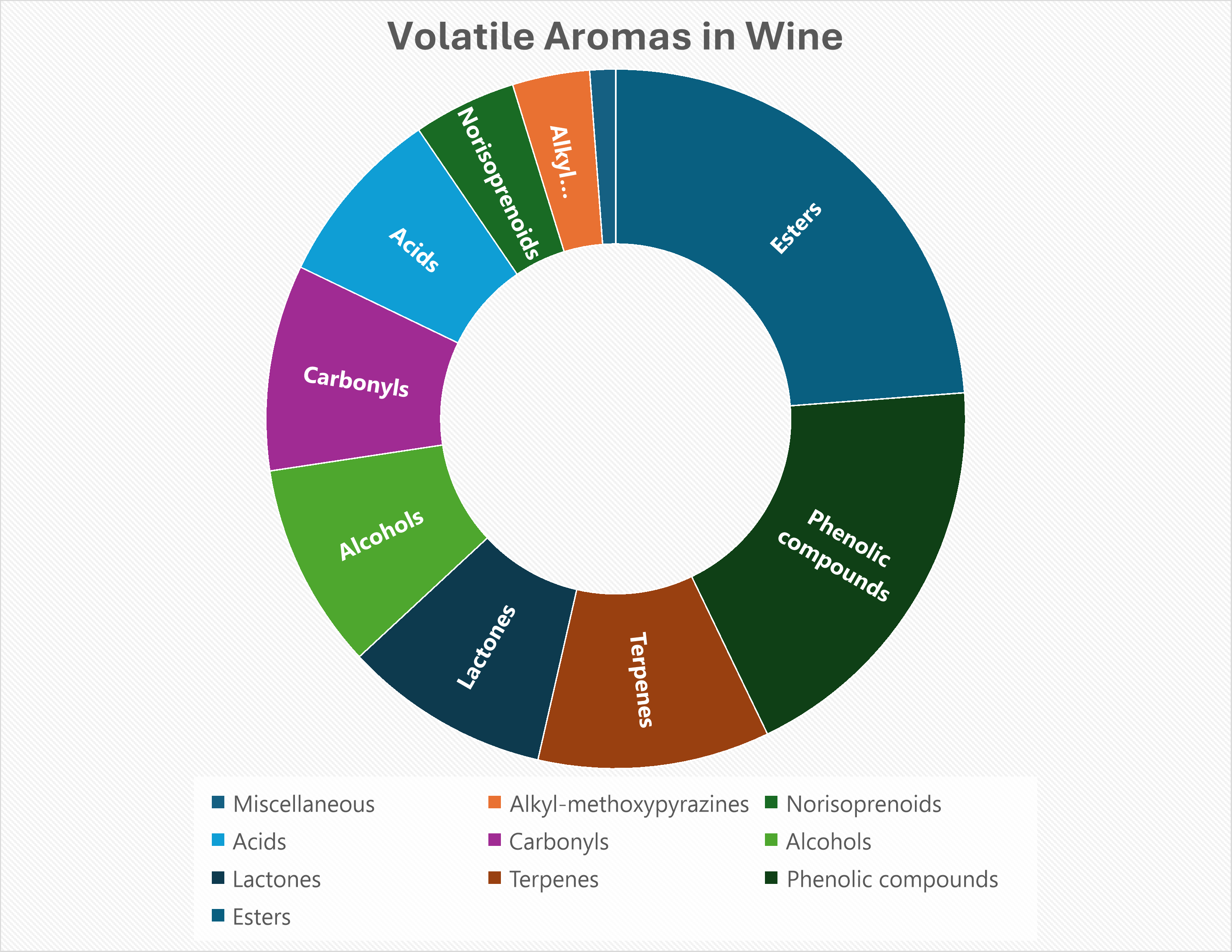
Of the more than 1,000 compounds that make up wine’s aromatic profile, desirable aromas are represented by a combination of 82 different volatile compounds, only some of which are detectable when present above threshold.

There’s no question the pandemic has amplified the influence of the experience economy, which gives businesses a potentially lucrative channel for success in an unpredictable market while enhancing their level of direct engagement with consumers.
A group of professional palates recently gathered for dinner at Auro, the one-Michelin-starred restaurant at the Four Seasons Resort and Residences Napa Valley in Calistoga, California, for a tasting hosted by Clos de los Siete founder Michel Rolland and managing director Ramiro Barrios to commemorate the 20th anniversary of the estate, located in Argentina’s Uco Valley.

Gigondas joins Languedoc’s oldest white-wine AOP, Clairette du Languedoc, established in 1948, and Clairette de Bellegarde, a tiny Southern Rhône AOP in the Costières de Nîmes, in showcasing
Clairette, which often serves as the base in Southern Rhône and Languedoc blends.

A wine’s scent is one of the best indications of its quality. The hedonic effects of wine are influenced by hundreds of volatile aroma compounds, making it one of the most complex of food and
beverage products.

Interest in lower-acohol wines is growing among consumers putting producers like Jordan back in the limelight. “Our Bordeaux-style Cabernet and Burgundy-style Chardonnay wines . . . range between 12.6% and 13.8% [alcohol], compared to the California average of 14.5%,” says Jordan winemaker Maggie Kruse. “This represents far more than numbers; lower-alcohol wines have a more balanced flavor profile.”
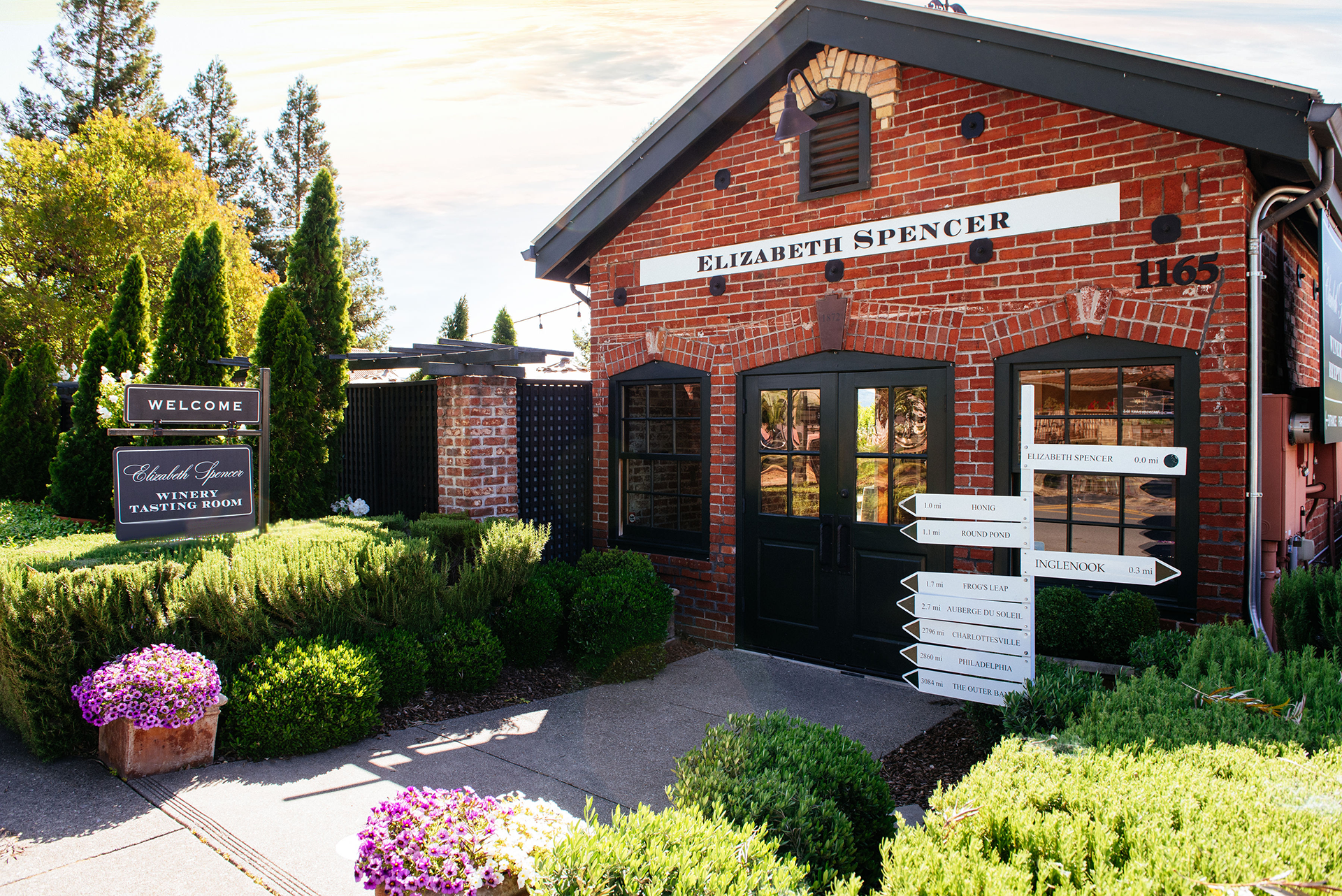
Elizabeth Spencer’s Sarah Vandendriessche guides the Napa Valley Vintners’ environmental stewardship committee.
Let’s introduce novice wine consumers to the sweet wines of the world first and bridge them to dry styles made from the same grape varieties.
With the creation of a new Tawny Port and White Port categories in March 2022, bottles sporting a 50-year age statement on their labels began to make their debut in January 2023. Prior to the new ruling, cask-matured Tawny and White Ports were categorized as ten, 20, 30, or over 40 years of age; at 50 years, the wines were simply categorized as Very Old. Fifty is the average age of the rare wood-aged Ports from several vintages comprising these blends. In the case of Tawny, one key sensory aspect is the absence of aromas and flavors associated with new oak, which it is never aged in. Kopke, the oldest of Portugal’s Port houses, was established in 1638and possesses one of the deepest inventories of aged Tawnies in theDouro Valley. Along with a handful of other producers, including Messias, Sandeman, Taylor, Quinta do Mourão, and Quinta do Vallado, it has now released a 50-year-old bottling. In honor of the launch, Kopke master blender Carla Tiago led a blendingexercise hosted by Skurnik Wines & Spirits at …

Biodiversity equals stability was the key message at Siclia’s second international SOStain symposium.

Wine aromas are t work when we pour a glass of grassy Sauvignon Blanc and feel a deep sense of relief.

Last December, a like-minded group of winemakers and winegrowers gathered to share the fruits of the labor and celebrate being part of the Slow Wine USA community to mark the release of the seventh edition of the Slow Wine Guide USA.

Sustainability is a catch-all term that’s tossed around casually to refer to just about anything even remotely related to climate action, resource conservation, and land stewardship. But for Martin Reyes, MW, and the panel of winemakers that joined him for the “Napa Valley’s Green Scene” session at SommCon in San Diego in September, achieving sustainability requires taking concrete steps with the intention of ensuring the viability of the planet, the broader community, and the wines that are grown and produced in Napa Valley well into the future.

Due to their reputation as vectors for Brettanomyces and their unwelcome presence when discovered swimming in one’s glass, fruit flies have long been viewed as annoying pests by wine drinkers. But as research subjects, they’re surprisingly beneficial: Their brains are teaching us more about how we humans learn to differentiate aromas.
Researchers have identified compounds responsible for coconut and dried fruit aromas in red grape must and new wine.

There’s more to wine grape stems than tannin. The discovery of new stem compounds has prompted researchers at the Laboratoire Excell biochemistry lab in Bordeaux to re-evaluate the benefits of including stems during this crucial stage of production.
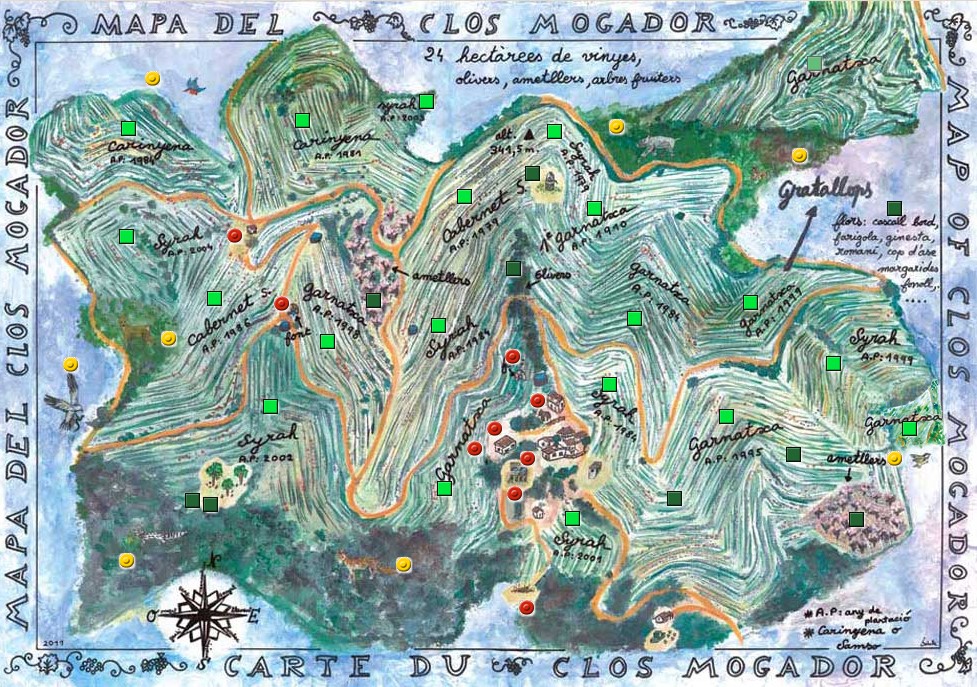
No matter one’s knowledge of wine, there is simply no substitute for tasting. For those of us who keep an eye on the world’s ever-evolving wine regions, that means seizing an opportunity to taste as well as to meet the makers.
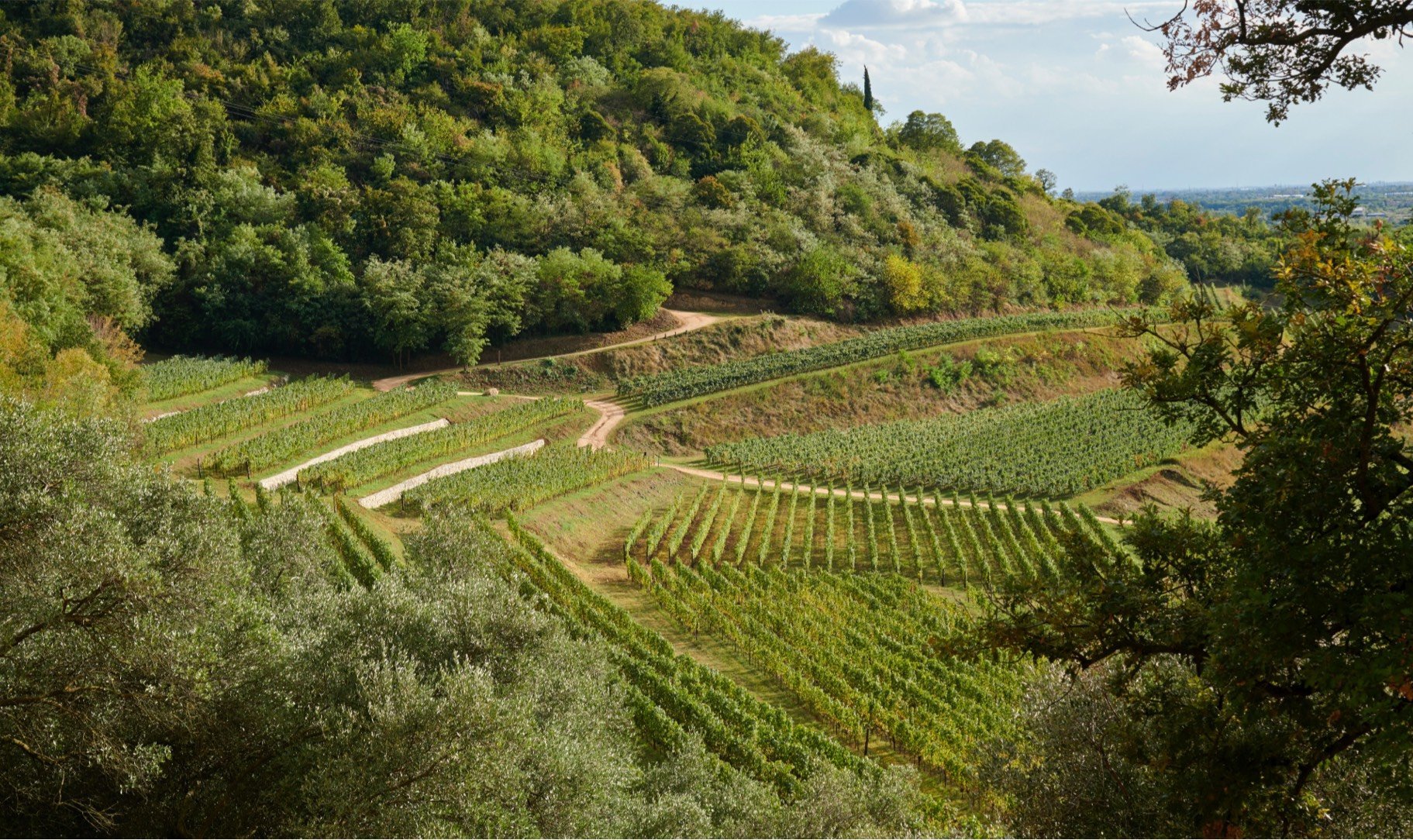
For Lonardi, the drying process known as appassimento that’s used to make Amarone produces wines that are expressive of terroir. Researchers studying
the compounds found in Corvina—the indigenous grape that is the foundation of the wine’s blend—agree. Typical markers for Corvina include balsamic and tobacco notes that increase during appassimento, and the presence of these markers in aged wines points to specific vintage conditions.
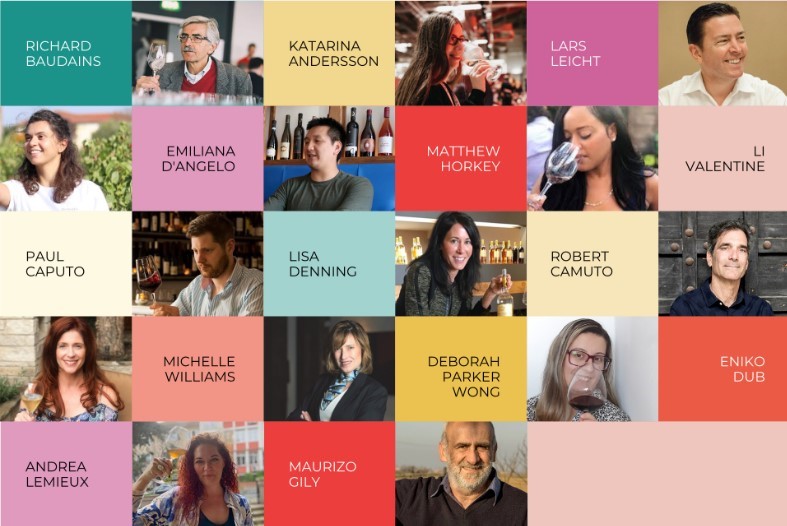
The winning wines at this year’s competition are memorable for several reasons: The whites were fresher, the rosés crisper, and the red wines seemingly more elegant than I recall them being in 2015.

Wine culture in Itata Valley, the northernmost of Chile’s three southern wine regions, exemplifies what is known as “evolution in isolation.” Experiencing no phylloxera and only a modest incursion of international grape varieties, this isolated region has held on to its heritage grapes and ancestral winemaking practices seldom found beyond its borders.

Of the California wineries celebrating their 50th birth year in 2022, six gathered to mark the occasion with a retrospective tasting at The Culinary Institute of America at Greystone in St. Helena. Each dazzled us with three wines while reflecting on five decades of harvests and providing a snapshot of their current vintages.

In an effort to expand my perception beyond my daily work with beverage alcohol, I tackle the evaluation of chocolate and fragrance a few times each year by judging hundreds of products as part of an unpaid panel.

By now, most informed wine consumers have accepted the fact that sulfur isn’t the root cause of wine-derived headaches and instead place most of the blame on alcohol. Meanwhile, what has been identified as a source of adverse reactions to no- and low-sulfur red wines, particularly by histamine-sensitive consumers, are biogenic amines. What are they and why can they be a problem?
As a species, we’ve been eating and drinking to intentionally alter our states of perception ever since. For generations, the indigenous peoples of the Congo, Nigeria, and Ghana have used the fruit (and leaves) of Synsepalum dulcificum, a shrub indigenous to West
and Central Africa, in ethnomedicine. The taste-altering properties of this flavorless, bright-red berry—dubbed “the miracle fruit,” it’s about the size of a coffee bean—make for a fascinating sensory experience.

While perceptual learning plays an important role in evaluating wine, there’s another phenomenon related to perception that arises from the wine itself: perceptual interaction. When our olfactory system
is confronted with complex aromas, we often perceive them as a single aroma due to odor blending in a process known as
configural perception (our perception of the smell of coffee as a single aroma is just one of many examples).

After tasting the Piper-Heidsieck Hors-Série 1971 ($499), a rare, late disgorged Champagne that spent 49 years resting peacefully on its lees, I was inspired to delve deeper into the role yeast autolysis plays in the flavor development of sparkling wine.
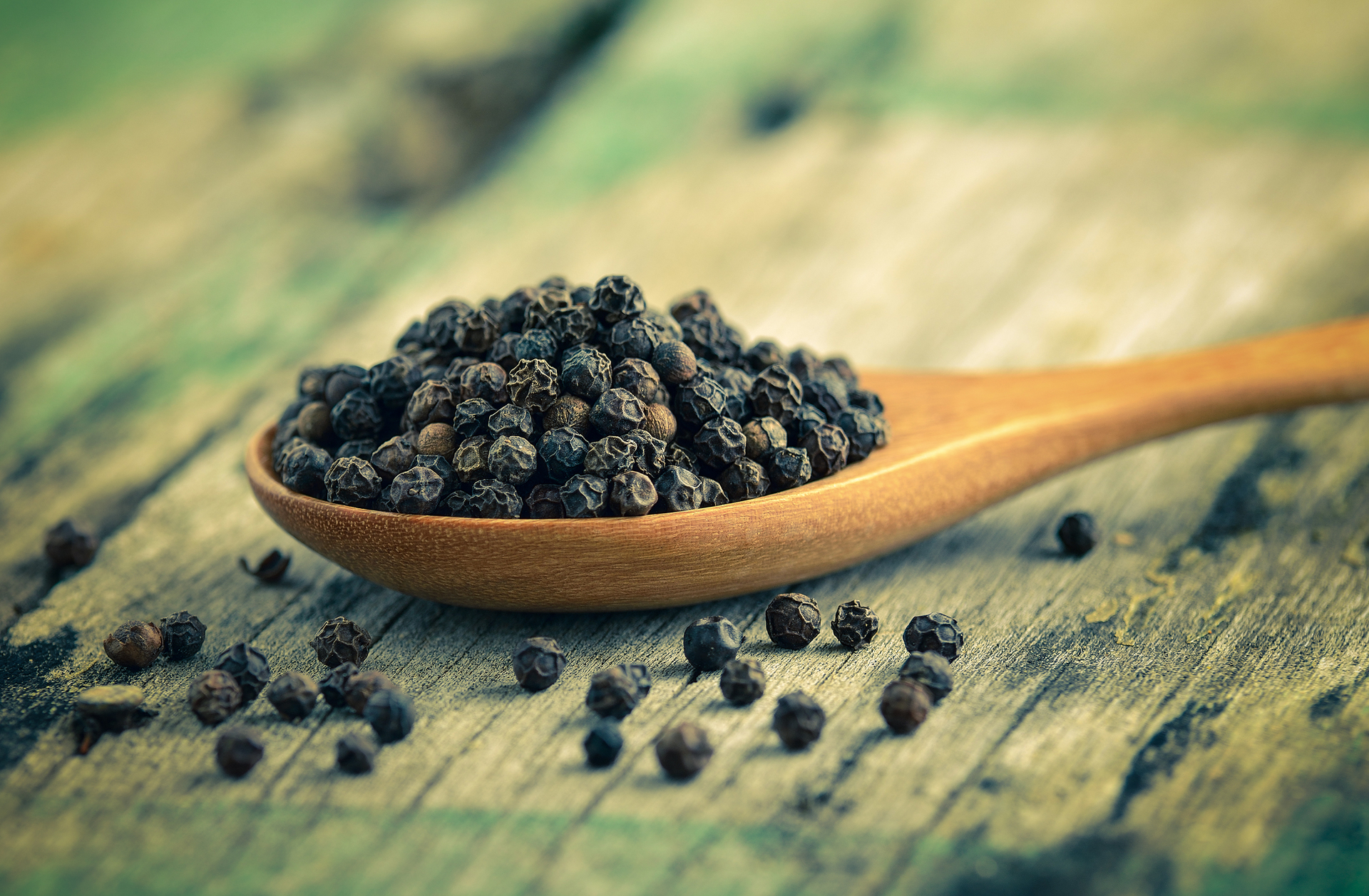
Now the days of comparing a
glass of Northern Rhône Syrah to
a strip of peppered bacon appear
to be coming to an end.

Get US Market Ready host Steve Raye talks with Slow Wine Guide USA National Editor Deborah Parker Wong about her journey and work as an educator, journalist and much more. The 2021 Slow Wine Guide USA is available on Amazon.com.
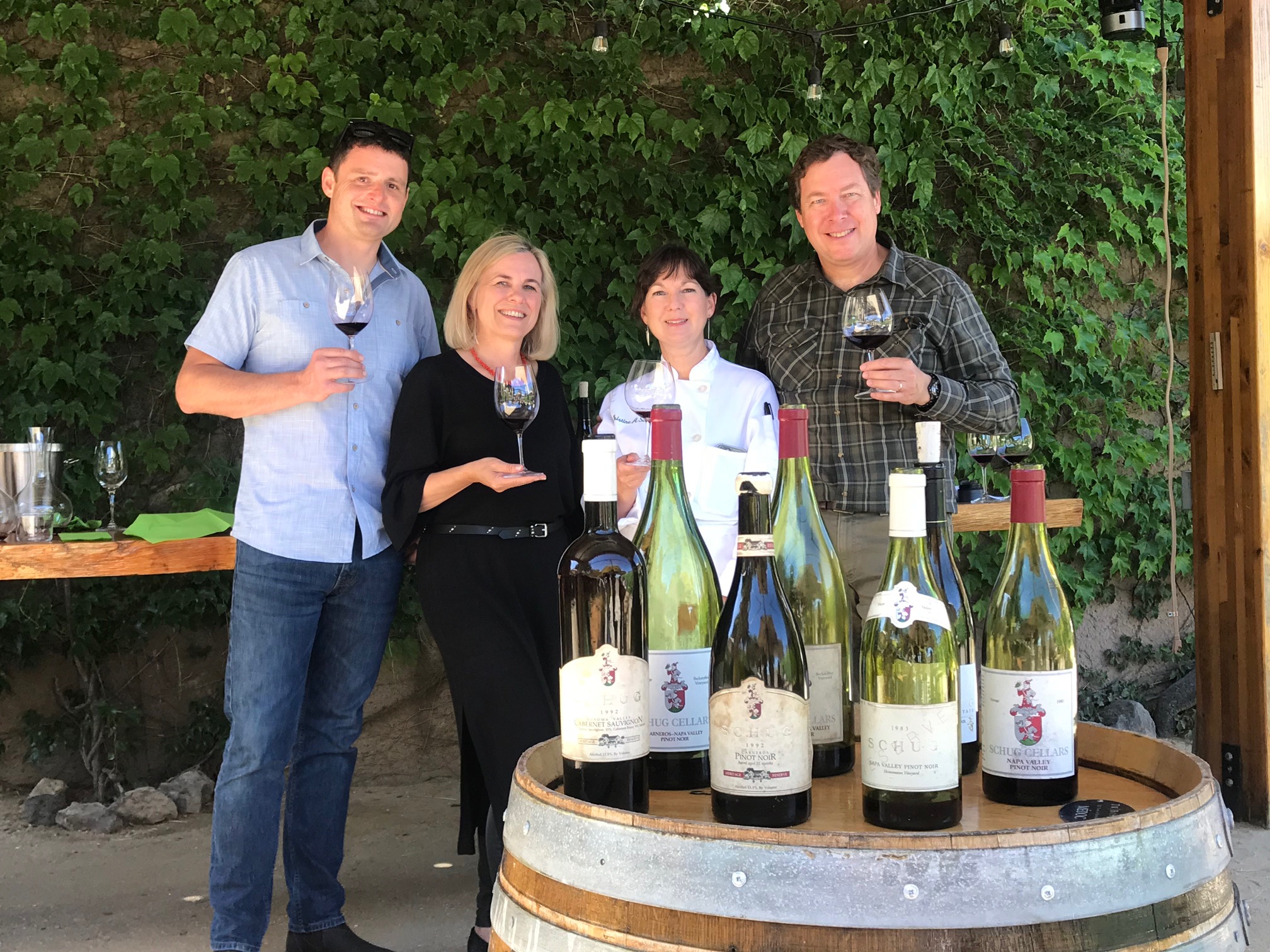
Walter Schug departed this world in 2015 but his passion for Pinot Noir lives on at Schug Carneros Estate which is celebrating 41 years of devotion to the variety. Axel and Claudia Schug, third generation winegrowers, were joined by chef Kristine Schug and winemaker Johannes Scheid as they presented a retrospective tasting that spanned the past, present and future of the Carneros estate winery.

What Argentina’s savvy winemakers have known for many decades—that certain vineyards reliably produce superlative wines despite vintage variations—is now scientific fact.

An infamous rooster named Maurice and a gaggle of contented geese have helped ensure biodiversity in France. In the face of complaints about the noises and smells typical of the countryside, the French Parliament passed a law on January 21, 2021, protecting what it calls the “sensory heritage” of its rural areas.

As beverage companies experiment with new ways to improve water’s hydrating ability while incorporating additional health benefits, they’ve embraced the use of CBD derived from hemp. Its biphasic properties are similar to those of alcohol in that small doses are uplifting, while larger doses suppress mood and energy.
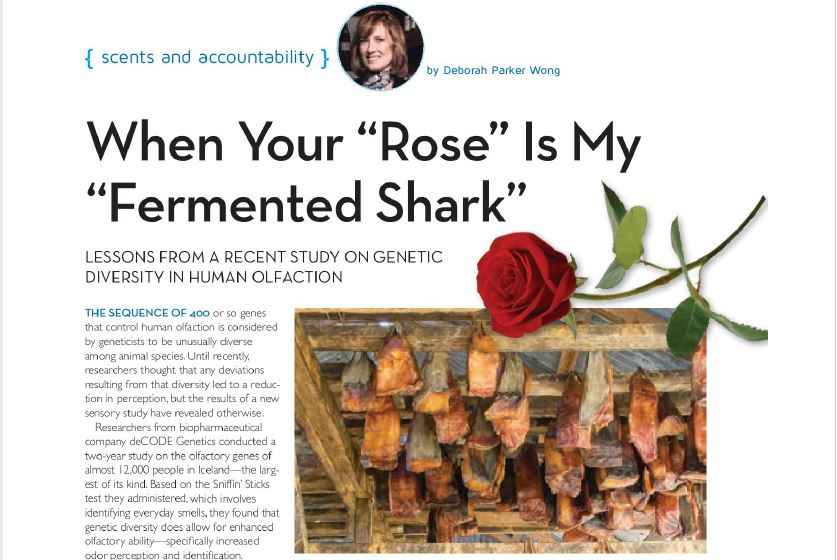
The sequence of 400 or so genes that control human olfaction is considered
by geneticists to be unusually diverse among animal species. Until recently,
researchers thought that any deviations resulting from that diversity led to a reduction in perception, but the results of a new sensory study have revealed otherwise.

Deborahparkerwong.com contributor Rex Ting-chia has translated The Multitasking Tongue for our Chinese language readers. You can find the pdf here –

Studying wine without the experience of tasting it in real-world settings such as trade events and seminars is frustrating at best. One elegant solution,
developed by author and educator Evan Goldstein, MS, and his business partner, Full Circle Wine Solutions CEO Limeng Stroh, has quickly become the gold standard of study tools for professionals and consumer enthusiasts.

Chinese translation by Rex Ting-chia Ting, DipWSET Rex Ting-chia Ting, DipWSET has translated Bobal: Past, Present and Future for those who read Chinese. Enjoy!
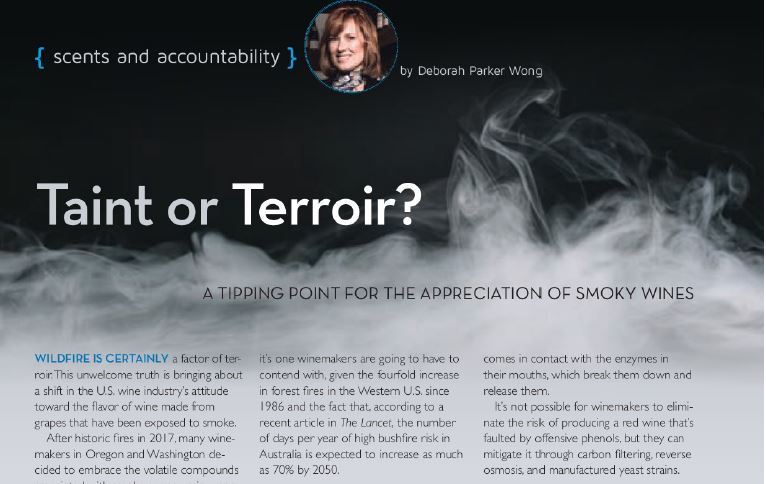
What can we expect as winegrowers in Australia, Chile, France, and the United
States are increasingly forced to adapt their winemaking practices and styles to account for devastating fire seasons?

Vodcasting is where podcasting is headed. Superb vodcasting relies on the format you use and the quality and reliability of your recording software and internet connection.

In the search for alternative ways to control grape vine diseases while reducing the use of synthetic herbicides and pesticides, a cadre of modern hybrids—second- and third-generation interspecific varieties— are demonstrating considerable promise in both the vineyard and the glass.
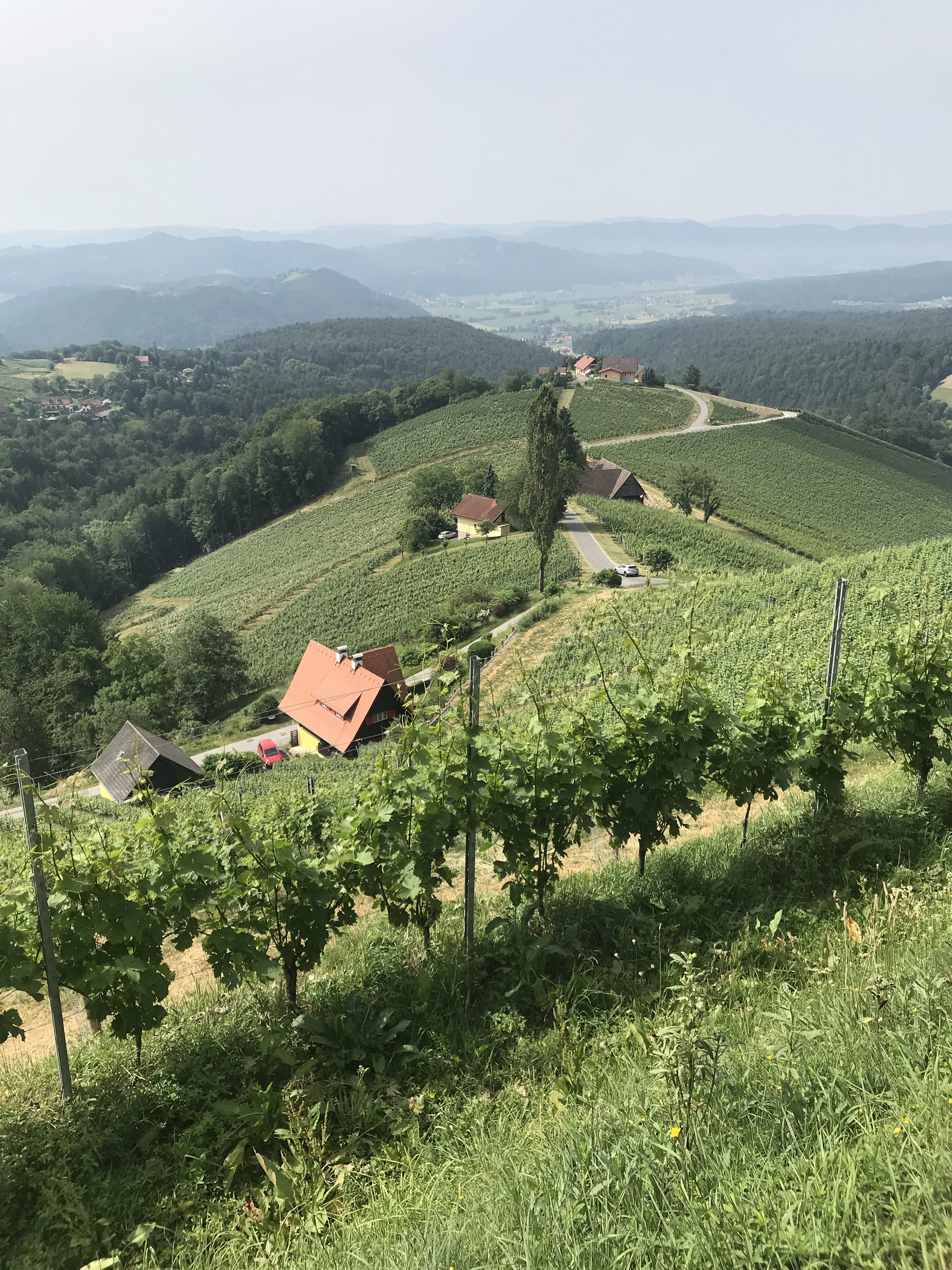
It’s Sauvignon Blanc—not Grüner Veltliner—that’s the star of the show in Austria’s Südsteiermark DAC, a historic winegrowing region in the country’s southern state of Styria that has evolved rapidly over the last thirty years. The variety is grown at high elevation in all five of Südsteiermark’s sub regions and on steep slopes that rival those of the Mosel.

Inspired by its striking maritime climate—attributable to the juxtaposition of the San Rafael Mountain and Transverse Ranges to the Pacific coast as well as to its chalky, sandy loam soils—the Miller Family named the site Bien Nacido, which means “well born” in Spanish, and planted it in 1973.
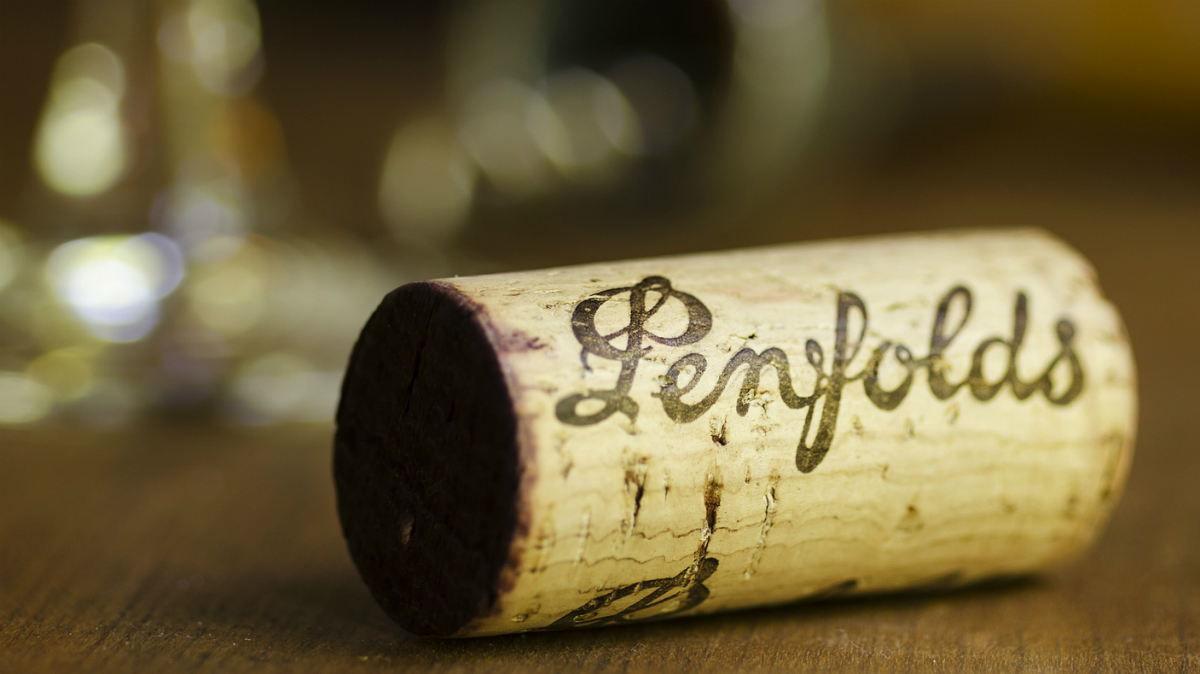
In keeping with Gago’s practice of tasting verticals of older Penfolds vintages alongside panels of expert tasters, I’ve amended my tasting notes to include the historical perspective documented in Penfolds: The Rewards of Patience. This consummate guide to all things Penfolds provides invaluable hindsight through the lens of the world’s most highly-regarded palates.
Iron Age wineries tamed the ancestor of the indigenous Bobal vines of Utiel-Requena.

There is no better time to gauge the quality and stylistic range of Sauvignon Blanc than during the only international wine competition devoted solely to the variety: the 2020 Concours Mondial du Sauvignon, which unfolded in Touraine, France, in early March.

In early February an unprecedented gathering of approximately 200 producers of Barolo and Barbaresco arrived in New York City to present their 2016 and 2017 vintages to the trade. They gathered at Center415 in midtown Manhattan for a walk around-tasting that ran for five hours; a boon for tasters who for once had time on our side.

When Sonoma’s La Crema Winery turned 40 last year, it celebrated the milestone with a unique exercise: Led by Dr. Henry “Hoby” Wedler, it was easily one of my top sensory experiences of 2019.
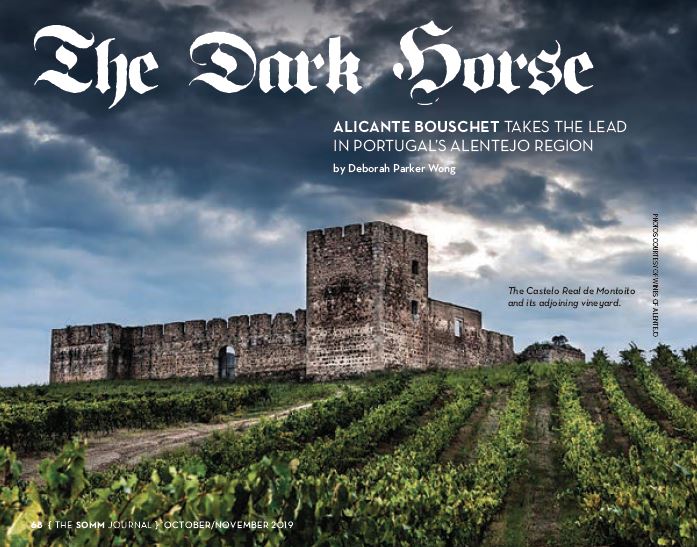
As grape varieties go, it’s fair to say that Alicante Bouschet (Ahlee-KANT Boo-SHAY) is flashy in the vineyard. It’s one of the few—along with Chile’s Carménère and Campania’s Piedirosso— whose leaves turn a deep, brilliant shade as the growing cycle winds down.

The term petrichor was derived from the Greek words petra (stone) and ichor (the blood of the gods) by researchers Isabel Joy Bear and Richard Thomas in their 1964 paper “Nature of Argillaceous Odour” to describe the scent of rain.

Although we understand the physiology of the olfactory epithelium, the organ where volatile aroma compounds are converted in to the electrochemical signals that we perceive as aromas, smell or olfaction is still largely a mystery. For example, we have 400 types of olfactory receptors but we don’t know which volatile aroma compounds activate the majority of them.
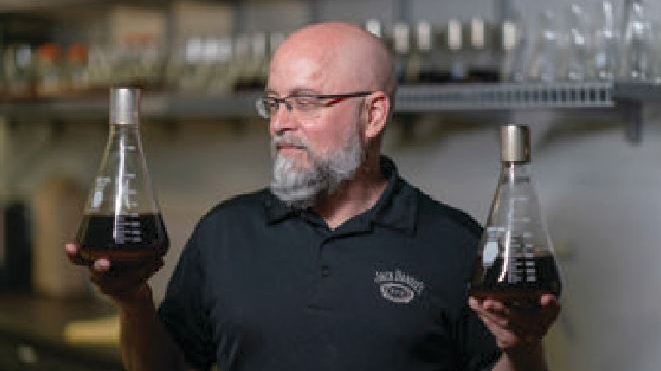
Ask Jack Daniel’s enthusiasts what they like most about their preferred whiskey and the term “consistency” comes up time and time again. According to Kevin Smith, a microbiologist who serves as the Distillery Manager of Reliability & Technical Services for the brand, “The character and consistency of our spirits are the result of several different factors, and that is what defines our terroir.” The concept of terroir expression in distilled spirits didn’t gain prominence until fairly recently, a shift driven both by research and best practices that determine desired flavors and character. While grain sourcing is proving to be a factor of this expression for single malts, the use of multiple grains – as seen in the Jack Daniel’s grain bill of 80% corn, 12% barley , and 8% rye – makes the influence of any one component more difficult to detect. “At Jack Daniel’s, we find that sourcing the highest-quality grains is far more important than the location in which the grains are grown,” Smith says. A grain bill is destined for conversion and …

The recuperation of New Mexico’s wine industry began in earnest when Italian, German, and French viticulturists brought their expertise to the state in the 1980s. Winegrowing in New Mexico continues to be influenced by these modern-day founding fathers, their families and a host of young winegrowers who are quickly elevating the quality and style of the region’s wines.

Young winemakers in New Mexico are leveraging the wisdom of the region’s winegrowing founding fathers and creating some buzz for the state’s expanding industry. One of whom is Ruidoso native Jasper Riddle whose Noisy Water Wine Co. sources fruit from no less than eight different vineyards and often more from sites focused in the northern regions of the state. “We champion the fruit of local growers,” he said and in doing so he’s found a ready local market for his wines. Riddle is a fifth-generation farmer and winemaker who bought Noisy Water Winery in Ruidoso in 2010. He credits his Italian heritage and early exposure to wine culture by his sommelier father for helping him dial in his passion for wine. “2018 was good for us with new vineyards coming online. However, we did see a late freeze after bud break in the Las Cruces area and that reduced yields there by 70 percent at some sites.” Riddle who finished his tenth harvest in 2018 said he crushed about 200 tons of fruit in 2018. A …

Among our many activities, wine professionals devote a considerable amount of time to perception, the state of being where we become aware of something through the senses.
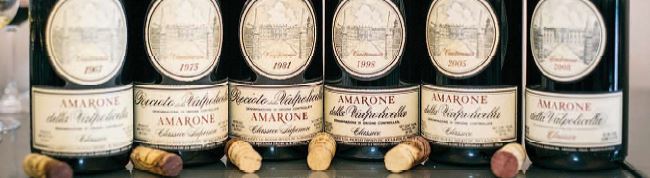
When winemaker Andrea Lonardi took the stage at September’s Full Circle Beverage Conference in San Francisco to present a tasting of Bertani Amarone Classico, he had what amounted to a Sommelier Justice League by his side: Master Sommeliers Brian Cronin, Tim Gaiser and Peter Granoff, all of whom provided perspective and humor as they tasted through 50 years of Bertani winemaking prowess. Born and raised in a vine-growing Veronese family, Lonardi began his tenure at Bertani in 2012. Although he didn’t personally make any of the wines that were tasted during the masterclass — the 2008 Amarone was bottled in 2016 — the pride he showed while presenting them was rather paternal. “The wines we are making today will be presented by another winemaker 50 years from now,” he told attendees. The Birth of Bertani Amarone Being both modern and ancient, Amarone is a paradoxical style; its rising popularity and commercialization in the 1950s gave the Valpolicella region a wine of true cult status; one that holds its own next to ageworthy Barolos and Brunellos. …

It was an oxygen epiphany. Could oxygen be the key to making wines that shimmer with life? I, for one, have now added it to the long list of factors that may determine whether a wine seems dead or alive.

In a rare tête-a-tête, The SOMM Journal joined Didier Depond, President of the Champagne houses Salon and Delamotte, for an effervescent lunch featuring their current releases at San Francisco’s Piperade. We began with the superbly chalky 2008 Delamotte, which hails from just six Grand Cru villages. The 100 percent Blanc de Blanc brims with texture and ripe golden apple notes, and after observing the intensity of fruit on the mid-palate, I queried Depond on the risk climate change poses to the houses’ iconic style. He was quite circumspect in his response: “The culture of the vineyards in Champagne relies on balance, and we will balance them with this shift.” Despite more extreme weather events like the freak hailstorms earlier this year, warming temperatures in this marginal growing region may in fact work to the advantage of Champagne producers. Addressing the elephant in the room, we discussed the hotly debated expansion of the Champagne AOP area by an additional 5 percent. “Historically, these approved areas were under vine,” Depond said. “And, despite what you’ve read, there …

When wine professionals encounter a sensory deviation in wine and the offending molecule isn’t obvious, cork often takes the blame by default.
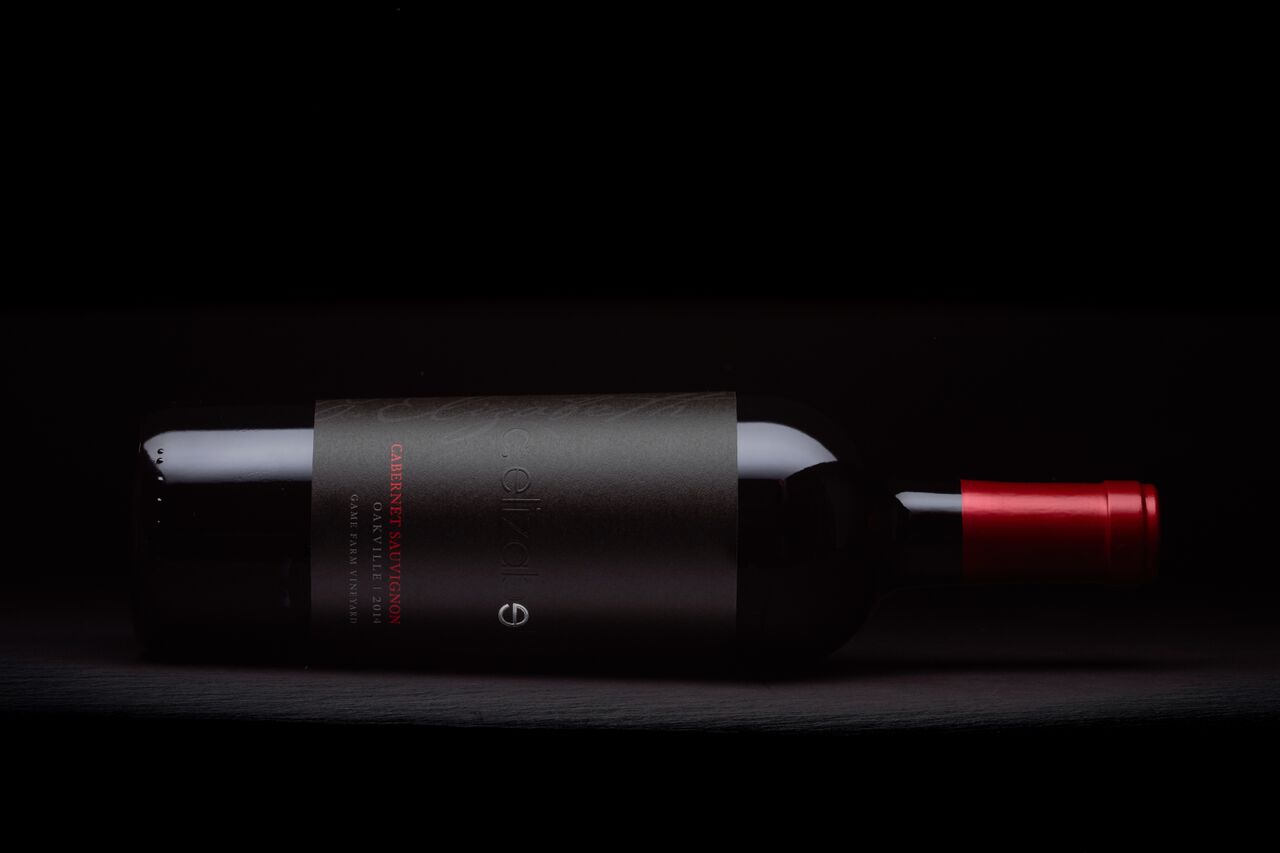
Cobbles reminiscent of the kind you find in the Southern Rhône aren’t the first thing you typically encounter in a Napa Valley vineyard. At Game Farm vineyard, owned and managed by Alex Vyborny and son Ben, it’s what differentiates their site from many others in Oakville. That cobbled terroir drew Goosecross Cellars winemaker Bill Nancarrow who sources fruit for the independent C. Elizabeth brand to the site like a bee to honey.

While the level of residual sugar plays a role in the finished style of a wine, the color of all wines—and the color of everything we see, for that matter—is determined by residual light. Any systematic analysis of wine begins with a careful observation of color and what we see is the result of light waves being reflected by compounds in the liquid. The plant pigments associated with flower and fruit coloration are known as flavonoids, with the most commonly known being the anthocyanins—derived from the Greek words for flower and blue, anthos and kyanos. These water-soluble pigments found in leaves, stems, roots, flowers, and fruits show us red, purple, or blue hues depending on their pH levels. Read the article here Residual Light June-July 2018s

Seventy eight lots of barrel-selected 2016 Pinot Noir and three collaborative lots of Chardonnay were auctioned by the Willamette Valley Wineries Association on Saturday, April 7 at the Allison Inn & Spa in Newberg, Oregon. The event which is now in its third year raked in a total of $800,000, an amount that bested the 2017 take by more than half and exceeded expectations for both average lot ($9,099) and bottle price ($124). The exceptional quality and range of style of the 2016 vintage was showcased at preliminary tastings held April 6th at Domaine Drouhin Oregon and Stoller Family Estate and the auction lot wines were poured for final consideration during the few hours preceding the live auction. 2018 auction chair Laurent Montalieu, owner and winemaker for Soléna Estate and Hyland Estates, said “We expect 2016 to go down in history as a benchmark year for Oregon.” Returning auctioneer Fritz Hatton met little resistance from an enthusiastic crowd of national and international bidders almost half of whom were first-timers at the event. Antica Terra winemaker …

Considering the benefits of spending more on wine. Luxury wine brands rank among a handful of product categories that are an outright contradiction of the law of demand. Known as Veblen goods after the American economist Thorstein Veblen, luxury products like wine, cars, jewelry, and artwork occupy a rarified status among consumers who are inclined to buy more as the price increases. While conspicuous consumption stands in direct opposition to the pursuit of quality for value that drives many a savvy wine buyer, neuroscientists have reported that when we buy luxury goods, we experience emotions of trust, security, contentment, and confidence over the duration of ownership. Apparently there’s more to the experience of drinking a bottle of ultra-premium Champagne, even if its lifespan lasts just a few hours during dinner. Authenticity and timelessness are considered the hallmarks of established luxury brands, but it’s possible for newly-minted brands to achieve a similar status when their underlying concept demonstrates those principles. Champagne is unquestionably a luxury product, and many brands and wines of the highest quality occupy …
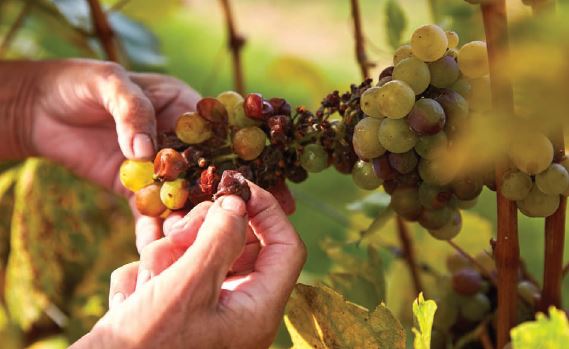
From grapes desiccated by noble rot in the Tokaj wine region of Hungary burst forth a plethora of traditional and modern wine styles. Rarest among them is the world’s sweetest and most complex grape elixir, Eszencia: a honey-like nectar once reserved for royalty that’s been coveted for centuries. The long history of wine made from aszú fruit (originally meaning “dried grapes,” the term has evolved to include grapes with high sugar levels affected with noble rot, or Botrytis cinerea) in Hungary dates to the mid-16th century. By the year 1737, a three-tier classification system of the Tokaji vineyards was in place—notably predating the sweet wine classification of Port by several decades and Sauternes by more than a century. Sweet and aszú Tokaji wine styles rely on clean fruit, botrysized bunches, or individual aszú berries. The latter are picked in multiple passes through the vineyard and then worked into to a paste or dough; varying amounts of this material are then macerated in fermenting must or wine. The two main grape varieties allowed are Furmint and …

When it comes to wine storage, old habits are hard to break. But Dr. Paulo Lopes, Research and Development Manager at Amorim Cork, advises that if temperature and humidity are maintained at the correct levels, wine can be stored upright with no ill effects. In fact, sparkling wine should always be stored upright: a little-known fact that seems lost on many wine experts. During the course of his groundbreaking research, Lopes has seen no difference in the amount of oxygen found in wines that have been stored horizontally or vertically. Using science to debunk the myths that persist within wine culture is liberating largely because the facts can be even more compelling than the misleading maxims. In his recent presentation at the San Francisco Wine School on the reductive and oxidative nature of wine, Lopes made it abundantly clear that, after bottling, the main source of oxygen in wine comes from the cork itself. Atmospheric oxygen doesn’t make its way through the cork (neither does mold, for that matter); rather, the air trapped in cork’s …

With millions of unknown species existing in a ton of soil, biologist Edward Osborne Wilson has called bacteria “the dark matter of the biological world.” While our knowledge of the roles known bacteria play in the vineyard enables us to make delicious wine, the unknown far exceeds the understood when it comes to analyzing these soil microbiomes. According to biochemist Paco Cifuentes, who has compared studies from hundreds of vineyards, there’s a distinct kingdom of organisms found only in soils farmed sustainably with organic fertilizers. When evaluating the health of a vineyard, the presence of these organisms becomes a marker for sustainability and diversity. “In a conventionally-farmed vineyard, you’ll find on average 500–700 different types of microorganisms,” says Cifuentes. “In sites that are farmed sustainably, we find anywhere from 1,000–1,200 microorganisms, the majority of which are bacteria.” This promotes an environment of checks and balances where beneficial organisms can effectively suppress harmful organisms and help prevent disease. That vast array of potentially present microorganisms includes “a dozen or so very distinctive organisms that never show …
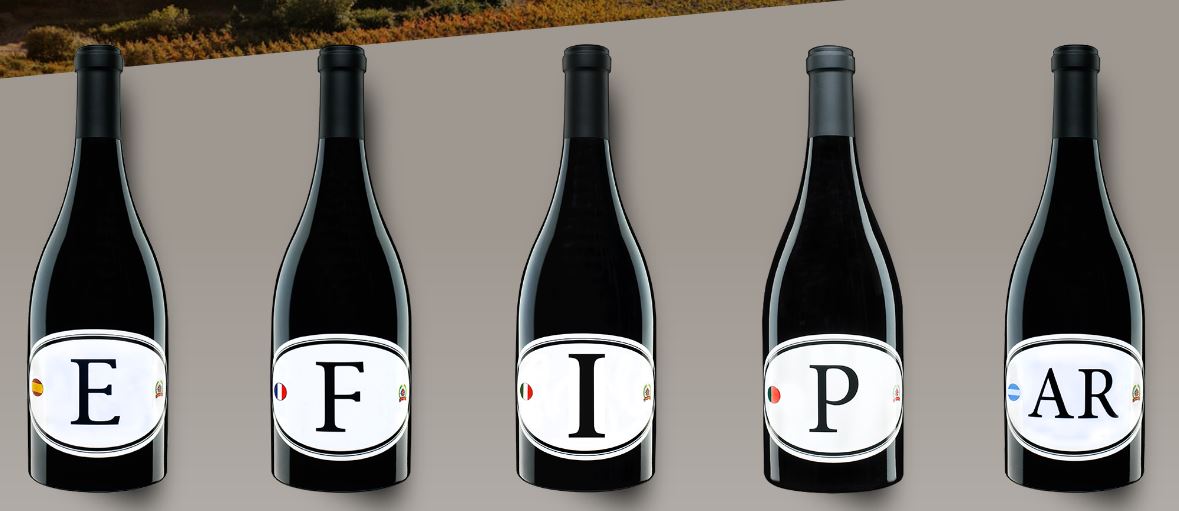
While researching the current popularity of blended wines in preparation for a talk at the 2017 International Bulk Wine and Spirits Show about blends that begin life as bulk wine, I discovered white blends emerged as the exception rather than the rule. Consumer preferences for monovarietal white wines—Sauvignon Blanc is currently the fastest-growing white variety—are the likely drivers there, but that doesn’t stop winemakers from creating successful proprietary blends. In 2014, blended wines accounted for more than 40 percent of new entries to the U.S. market, with the lion’s share going to reds (29.3 percent) and whites accounting for just 1.9 percent. When surveyed, domestic consumers said they liked blended wines because they are experimental, interesting and trendy with better value. But it’s not the classic blends from regions like Bordeaux, the Southern Rhône, Valpolicella and Rioja they’re referring to; it’s the under-$25 blends that are marketed as nothing more than just that—blends. One striking example of success with modern blends is Dave Phinney’s Locations Wine portfolio, which goes even further by eliminating vintage and relying …

Sicily’s native grapes and the dawn of Italian wine culture.

Primary wine flavors (the combination of aromas and tastes) come from the grape variety itself and are almost always fruity except when they’re not. Secondary aromas are those associated with post-fermentation winemaking and include yeast, lees, yogurt, cream, butter or cheese and a full spectrum of flavors derived from oak. Tertiary flavors are defined as deliberate oxidation, fruit development, bottle age or any combination thereof.

If you’re keeping tabs on wine quality in Southern Italy with its myriad indigenous grape varieties and oftentimes limited access to distribution, this update on the Sannio DOC should prove to be useful. Through a combination of research trips to Campania and the opportunity to judge the Radici del Sud “Roots of the South” wine competition which has been held in different venues in the town of Bari, Puglia since 2006, it provides a look at the key factors for the region and a snapshot of wine quality.

In more ways than one, Champagne has begun infiltrating wineries in Sonoma and Napa counties. With several unprecedented examples that include Napa cult wine producer Sinegal launching its brand in conjunction with a prestige Champagne house, Sonoma’s Buena Vista Winery–branded Champagne and the unique partnership between Jordan Winery and the grower Champagne house of AR Lenoble, there’s a trend in the making.

Pyrazines—too much of a good thing and they’re a fault; absent in varieties like Sauvignon Blanc and they leave something to be desired. In relation to bitterness, pyrazines can be the source of a flaw or fault, but that’s just one of many ways they can impact wine flavor. Ask any maker of Bordeaux varieties, someone who grows grapes in a marginal climate or experiences a colder vintage, about their concerns, and they’ll surely count elevated pyrazines among them. Admittedly, pyrazines are a double-edged sword. Without them we wouldn’t have the expansive range of wine styles that are possible from Sauvignon Blanc or the markers that help us identify the family of Bordeaux varieties and the likes of Carmenère. But in the extreme, pyrazines dominate wine at the expense of other varietal flavors. We’ve all tasted them—from pungently herbaceous boxwood (the polite reference to cat pee) and jalapeño pepper in Sauvignon Blanc to rank green bell pepper or even weeds in red wines that haven’t achieved physiological ripeness. Pyrazines are the family of volatile organic …
Many who consider the sensory evaluation of wine to be a purely subjective exercise cite our differences in perception as the basis for that belief. While it’s true that our abilities to perceive aromas and tastes vary, using an olfactometer we’re able to accurately measure the thresholds at which different tasters perceive the volatile organic compounds found in wine. Research has also shown that a like group of tasters, those who are equal to the task, can consistently gauge the intensities of the aromas, tastes and structural aspects of wine. Compared to humans, who scientists believe can detect in excess of one trillion odors and identify a few thousand, the latest generation of olfactory and gustatory biosensors can detect up to 350 smells in about 15 seconds. Developed by a molecular biologist and nanobioscientist in Grenoble, France, the Aryballe Technologies NeOse Pro, a handheld e-nose that made its debut at the Consumer Electronics Show this January, uses surface plasmon resonance imaging (SPRi) and biochemical sensors to analyze volatile organic compounds responsible for aroma and taste. …

Minerality — Without question the most controversial and elusive of wine descriptors. This comes as no surprise given that the exact definition of what minerals themselves are is still under debate and has been expanded as an element or compound formed through “biogeochemical” processes. Nutrient or dietary minerals—single elements like manganese, potassium, magnesium, iron, phosphorus, calcium, copper and zinc—are minor components of red wine. White wines have small amounts of iron, calcium, potassium, phosphorus and zinc. A serving of wine can also contain several milligrams of halite, the mineral salt (sodium chloride is the chemical name for salt), and we can accurately describe its taste in wine as saline minerality. Knowing that wine contains minerals, why is describing minerality so problematic? Largely because aside from halite, nutrient minerals are essentially tasteless. Only when they’re in a highly concentrated liquid form, for example as a dietary supplement, do they taste offensively bitter. But the elusive flavors we describe as “mineral” in some wines can be readily attributed to specific compounds. The two of the most common …

There’s no question that glassware can alter our perceptions of wine. It’s a phenomenon experienced by every resourceful consumer who has pressed a plastic cup into service when a wineglass wasn’t close. While the proliferation of shapes intended to complement or enhance specific wines has been met with skepticism from certain corners, without empirical evidence to the contrary, simply increasing the measure of enjoyment that’s obtained from a glass of wine has validated the practice and the efforts of Austrian glassware maker Riedel. Science has already provided empirical evidence that makes a case for the superiority of wine glasses for the appreciation of wine. Using a thermal imaging technique, Japanese researchers have captured pictures of ethanol vapors volatizing from a wine glass in a ring-shaped pattern, with the area of lowest alcohol in the center. This “donut hole” effect allows for greater appreciation of volatile aroma compounds without the added interference from ethanol. When wine was tested from a Martini or straight glass it didn’t exhibit a ring shaped-vapor pattern, proof enough that wine glasses …

Humans are particularly sensitive to bitterness. Thanks to a small but novel family of 30 genes, we can perceive thousands of bitter compounds. Our ability to discern bitter tastes evolved as a way to keep our early ancestors from eating poisonous plants. Bitterness is a taste sensation that we experience when monomeric flavonoid phenols, the compounds that are responsible for bitterness in wine, reach the bitter taste receptor cells on our taste buds. As the receptors send electrochemical signals to the gustatory cortex, we experience bitterness. To what degree determines whether we consider a wine to be merely complex, flawed or faulted. Read the entire article here –Bitterness June July 2016

Wine is, for the most part, water and ethanol which in turn become vehicles for the minor components that are largely responsible for aroma, taste and texture. Through the efforts of researchers at the University of California at Davis and the University of Burgundy in Dijon, our understanding of wine’s biochemical landscape is expanding rapidly. Research focusing on metabolites known as metabolomics, the scientific study of the set of metabolites present within an organism, cell or tissue, has now validated the concept of terroir by showing that every vineyard and every wine has a fingerprint that, like our own, is utterly unique. At the metabolic level, wine contains a record of how it was made—a fingerprint that points to the origin of the oak and “memories” of sulfur dioxide additions that were made to the must. But let’s not get ahead of ourselves. Beyond general references to tannins, acids and sugars, the lesser elements of wine are usually left to their own devices. Knowing what constitutes those components and how they collectively contribute to wine …
The dust has settled after a flurry of restaurant openings in San Francisco last fall. Taking stock at the six-month mark, we’ve spotted a few trends in on-premise drinking and dining and not a food truck in sight. Finely-tuned beverage programs and the talents behind them are taking center stage in the reinterpretation and renovation of the City’s dining scene, one that is thriving under the direction of seasoned veterans and newcomers alike. For some, cuisine provides the soaring inspiration behind beverage pairings and, for others, it plays a solid supporting role that lets a list shine without pretension. Read the article here: Bay Laurels
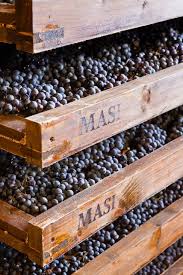
When applied to wine grapes and to beef, the artisanal process of drying to concentrate and increase the complexity of flavors produces a savory, umami-driven experience. While there’s no mystery behind the affinity between red wine and beef, Amarone producer Masi teamed up with local purveyor Flannery Beef for a tasting that elevated this classic to new heights. Staged at San Francisco restaurant Perbacco, Umberto Gibin’s long-running destination that serves as a home away from home for visiting Italian wine producers, Masi’s Rafaelle Boscaini and Bryan Flannery shared a few insights about their respective methods of air-curing and then let their extraordinary products do the talking. Boscaini poured a bold Masianco 2013 Pinot Grigio to accompany a seasonal composed salad and followed with two Amarone—a 2008 Riserva di Costasera and 2007 Moncenisio, a Molinara-dominant wine that ages in cherry—served with Flannery’s unique cuts of 20-day and 40-day dry-aged beef. The pairings were masterful in that they were utterly complete; the 2007 was better suited to the longer-aged rib cap, a cut formed from the outer part of the …

Both the French and the Brits are drinking less Champagne, but America’s obsession with bubbles is growing. Sales of Champagne in the U.S. are on the uptick even as consumers look to Prosecco and Cava to add some additional sparkle to their lives. When the Comité Interprofessionnel du Vin de Champagne (CIVC) came to town last year with a large, well-orchestrated tasting at the Fairmont Hotel, Blind Tasting focused on the Réserve non- vintage wines; the bread-and-butter category that makes up 81% of all Champagne imports to the U.S. During a briefing at Prospect restaurant, Washington, D.C.- based Sam Heitner who directs the Champagne Bureau USA pointed to rosé as a significant trend, “It’s the fastest growing segment of Champagne in the U.S. making up 16.2% (that’s 2.9 million bottles) of all shipments.” The CIVC reports that in 2013 Americans drank 17.85 million bottles of Champagne, most of which, 87%, was produced by houses, with winegrowers and co-ops exporting just 13% of their production to the U.S. Read the entire article here: Non-Vintage Champagne

Brand creator David Ravandi, founder of 123 Organic Tequila, found success by staying one step ahead of the premiumization curve. It’s taken twenty years but tequila has finally shed its sophomoric image and graduated to the big league. The super-premiumization of the category which has grown by 72 percent over the last decade has reached triple-digit price points and produced consumers who are confident about quality when trading up. It’s estimated that 30 to 40 new tequila brands are being introduced to the market each year. Given this dynamic and highly-competitive landscape, the resources and talent required to propel a fledgling artisanal brand to success can’t be underestimated. Of the key milestones that mark tequila’s rise from joven shooters to cask-conditioned extra anjeo, the practice of aging resposado and anjeo tequilas in white French oak was pivotal. Introduced by artisanal brand creator and tequilero David Ravandi in the early 1990s in a tequila line that he subsequently sold, the practice is now de rigueur for ultra-premium aged tequilas. Inspired by oak-aging regimes favored by winemakers, Ravandi …