

Conquer wine headaches
Thanks to new research about quercetin, the list of culprits in wine falls into three primary categories: tannins, biogenic amines (BAs), and alcohol.
Thanks to new research about quercetin, the list of culprits in wine falls into three primary categories: tannins, biogenic amines (BAs), and alcohol.

Humans may use their sense of sight more,
but through smell, we can determine such things as the quality and consistency of foods and beverages.
Calls for optimism are the theme of new year missives from wine industry colleagues near and far. One in particular came from a Northern California winemaker who is puzzling over the lack of adoption by Gen Z consumers, an increasingly fragmented and dispirite domestic market and included a request for insights that might inspire hope.

The message my students are sending to the makers of the world’s historic sweet wines amounts to a love letter. My passion for these historic wines can only be described as a love affair.

The University of California, Davis, has a long history of groundbreaking research that has significantly impacted the global wine industry. Standing on the shoulders of giants With the retirement of several key academics whose research in the areas of grapevine genetics, fermentation science, and sensory science has played a crucial role in the development and advancement of the modern American wine industry, the Department of Viticulture and Enology now has new leadership. In January 2024, Benjamen Montpetit began his tenure as the Marvin Sands Endowed Chair in the department, succeeding David Block, who spent nearly 13 years in the role. Montpetit’s journey Montpetit’s journey from studying biochemistry to assuming leadership of the world’s top wine-science department was a natural progression. After earning a Ph.D. from the University of British Columbia, he made his way to the University of California, Berkeley, for postdoctoral research in gene expression regulation using yeast species Saccharomyces cerevisiae. As a self-described foodie, Montpetit had already formed a deep personal connection to Vancouver’s multicultural restaurant scene, but it was a memorable glass …

A guide to the producers of the North Adriatic region.

According to neuroscientist Camilla Arndal Andersen, how consumers describe the taste of food can be misleading largely due to inherent biases. Among the most problematic is the “courtesy bias,” which comes into play when people respond with what they see as a socially acceptable opinion that doesn’t accurately reflect how they feel. There’s also the “bias blind spot,” in which we think we’re less biased than others. In short, we’re biased about our biases.

Fog over the Pelletti Vineyard in Laguna Hills, Russian River Valley.
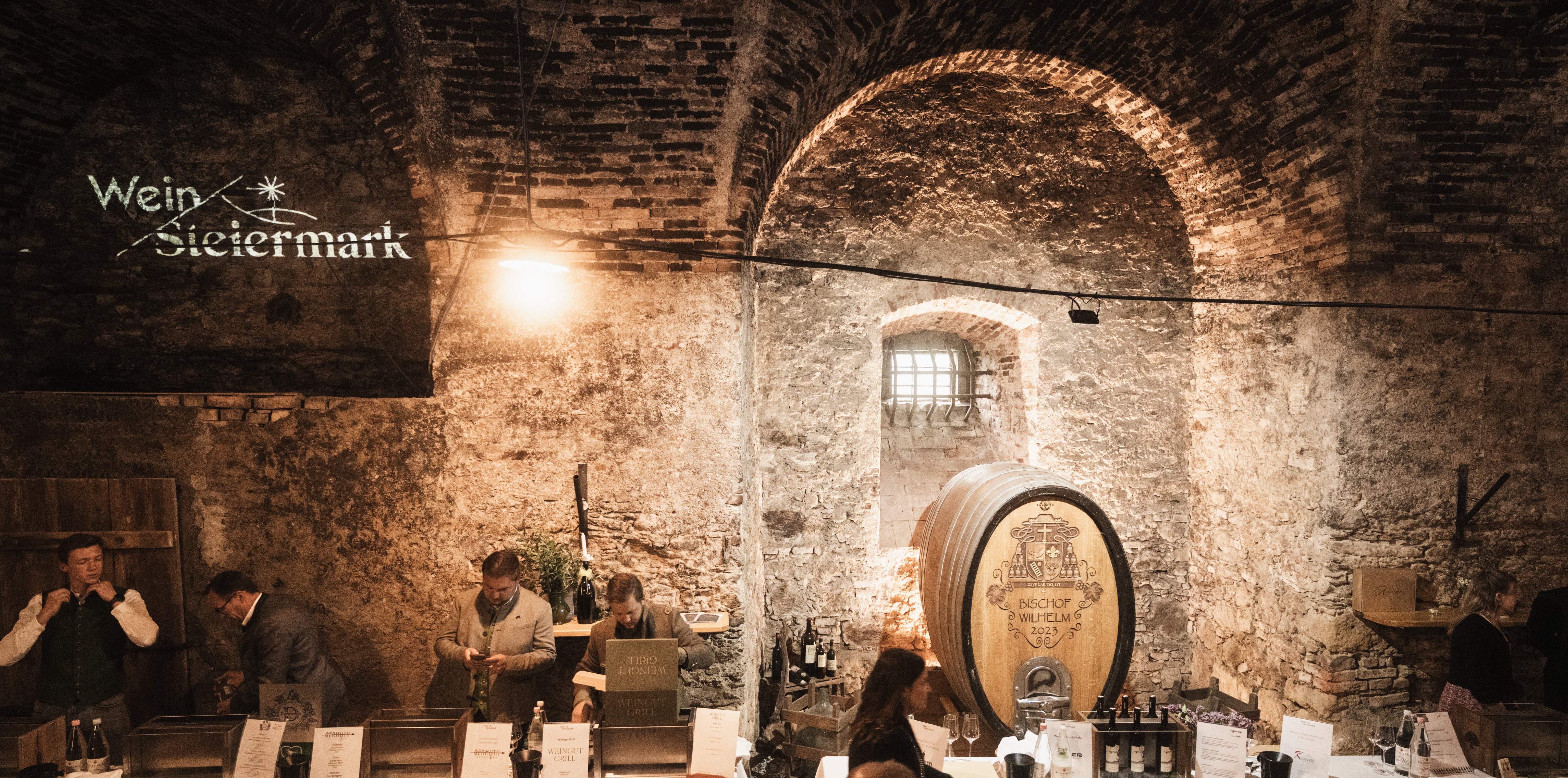
New metrics shed light on scores and medals in wine competitions
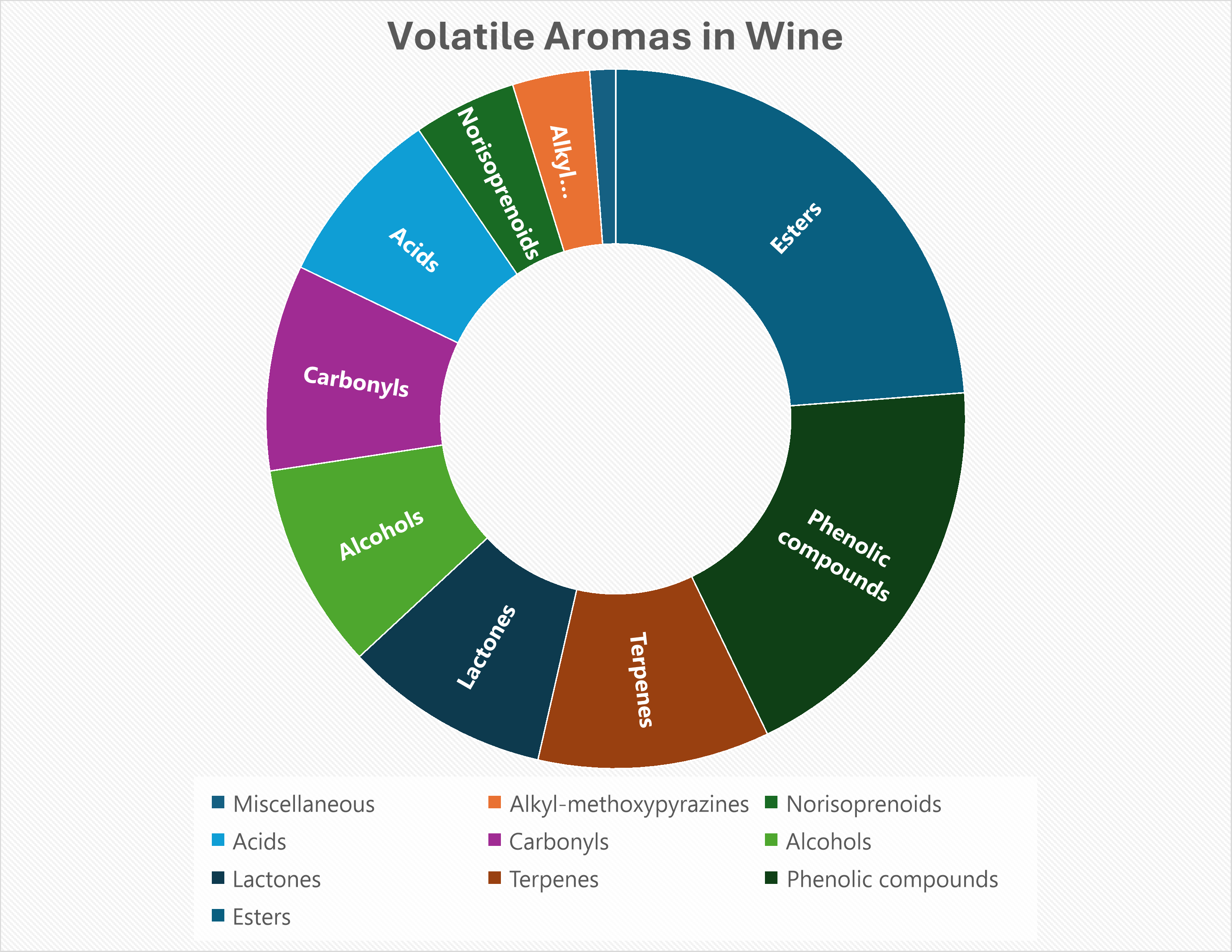
Of the more than 1,000 compounds that make up wine’s aromatic profile, desirable aromas are represented by a combination of 82 different volatile compounds, only some of which are detectable when present above threshold.

If studying Chianti Classico has not made your list of New Year’s resolutions, the Consorzi Vini e Olio Classico has just handed you an incentive; a free, online training program – Mooc Chianti Classico.

Morrow, who received MICHELIN’s California Sommelier Award in 2022, oversees the wine cellar at PRESS, which houses the largest collection of Napa Valley wines in the world and is focused on library wines. When adding a new bottling to the list, he looks for winemakers who have worked their way up at acclaimed producers and then started their own labels.

There’s no question the pandemic has amplified the influence of the experience economy, which gives businesses a potentially lucrative channel for success in an unpredictable market while enhancing their level of direct engagement with consumers.

Gigondas joins Languedoc’s oldest white-wine AOP, Clairette du Languedoc, established in 1948, and Clairette de Bellegarde, a tiny Southern Rhône AOP in the Costières de Nîmes, in showcasing
Clairette, which often serves as the base in Southern Rhône and Languedoc blends.

Interest in lower-acohol wines is growing among consumers putting producers like Jordan back in the limelight. “Our Bordeaux-style Cabernet and Burgundy-style Chardonnay wines . . . range between 12.6% and 13.8% [alcohol], compared to the California average of 14.5%,” says Jordan winemaker Maggie Kruse. “This represents far more than numbers; lower-alcohol wines have a more balanced flavor profile.”
Visit Sacramento and Slow Food International will host Terra Madre Americas, the American version of the internationally acclaimed Terra Madre Salone del Gusto food conference May 17th – 19th at the Sacramento Convention Center. Programming focuses on three key Slow Food themes – wine, coffee and biocultural territories of Latin America and the Caribbean. The event is free to the public and brings together wineries, food producers, scientists, cooks, and researchers from the United States and Latin America for educational and interactive experiences for all ages. Additional ticketed event opportunities including Slow Wine USA masterclasses programmed by Slow Wine USA editors Deborah Parker Wong and Pam Strayer with producers from the 2024 Slow Wine USA guide. Saturday, 5/18 1:00 PM – 2:00 PM Slow Wine: Take Your Time, Everyday Wines: Wines Priced $30 and Under, $50 Speakers: Deborah Parker Wong, journalist and Slow Wine USA director, and Pam Strayer, journalist and Slow Wine USA co-director. Little known fact: Lodi and the Sierra Foothills offer affordable, artisanal wines (priced below $30). Explore California wines from lesser-known varieties originally from …

Biodiversity equals stability was the key message at Siclia’s second international SOStain symposium.

Wine aromas are t work when we pour a glass of grassy Sauvignon Blanc and feel a deep sense of relief.

Sustainability is a catch-all term that’s tossed around casually to refer to just about anything even remotely related to climate action, resource conservation, and land stewardship. But for Martin Reyes, MW, and the panel of winemakers that joined him for the “Napa Valley’s Green Scene” session at SommCon in San Diego in September, achieving sustainability requires taking concrete steps with the intention of ensuring the viability of the planet, the broader community, and the wines that are grown and produced in Napa Valley well into the future.

Due to their reputation as vectors for Brettanomyces and their unwelcome presence when discovered swimming in one’s glass, fruit flies have long been viewed as annoying pests by wine drinkers. But as research subjects, they’re surprisingly beneficial: Their brains are teaching us more about how we humans learn to differentiate aromas.
California State University Fresno’s Dr. Miguel Pedroza talks with Matthew Malcom from California Ag Network about his smoke taint research. Pedroza is my graduate advisor and the principle investigator for the study which is the basis of my thesis.

There’s more to wine grape stems than tannin. The discovery of new stem compounds has prompted researchers at the Laboratoire Excell biochemistry lab in Bordeaux to re-evaluate the benefits of including stems during this crucial stage of production.
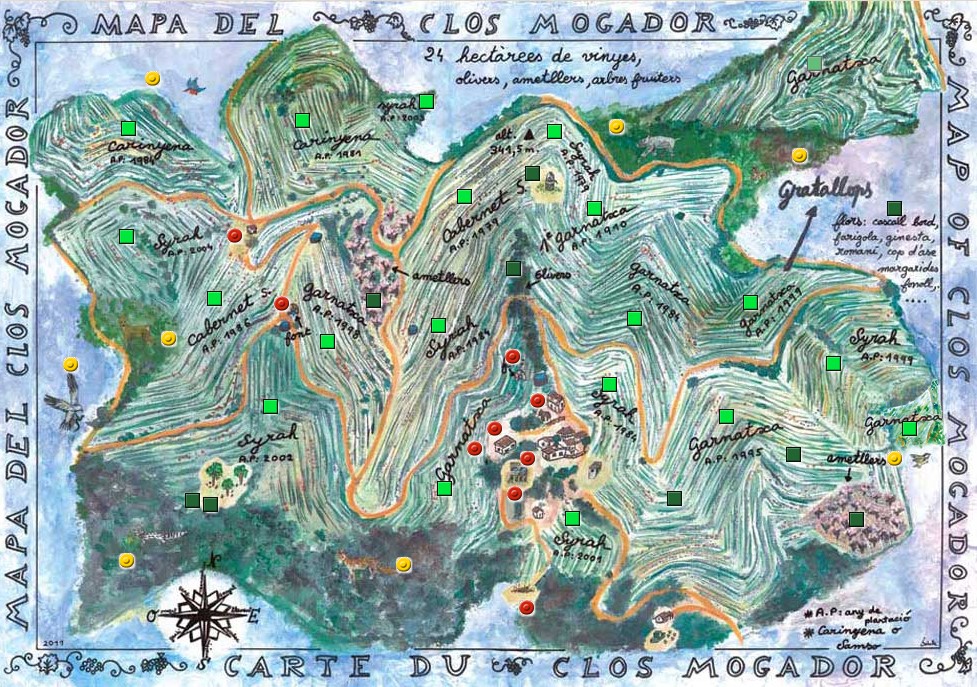
No matter one’s knowledge of wine, there is simply no substitute for tasting. For those of us who keep an eye on the world’s ever-evolving wine regions, that means seizing an opportunity to taste as well as to meet the makers.

Where so many fictional movies that explore wine have failed, Drops of God which is an eight-part series inspired by the New York Times bestselling Japanese graphic novel (manga) series has set the bar for its depiction of wine culture and sensorial appreciation. Originally created and written by Tadashi Agi and illustrated by Shu Okimoto, the manga series was adapted for Apple TV by Quoc Dang Tran and executive produced by Klaus Zimmermann with the collaboration of Sébastien Pradal, a career sommelier whose depth of experience defined the role wine plays in this tense family drama. Pradal is general manager and owner of a handful of companies that import and distribute fine French wines to the trade in Paris, France, and Mexico, and the restaurant La Petite Régalade and sister bistronomie La Pascade which offer a wine list reflective of both his access and focus on smaller organic and biodynamic producers. Add vigneron to his many roles as he is a partner in Domaine Montrozier which lies directly north of Narbonne in the Côtes de Millau AOP. As wine consultant to the fictional series …
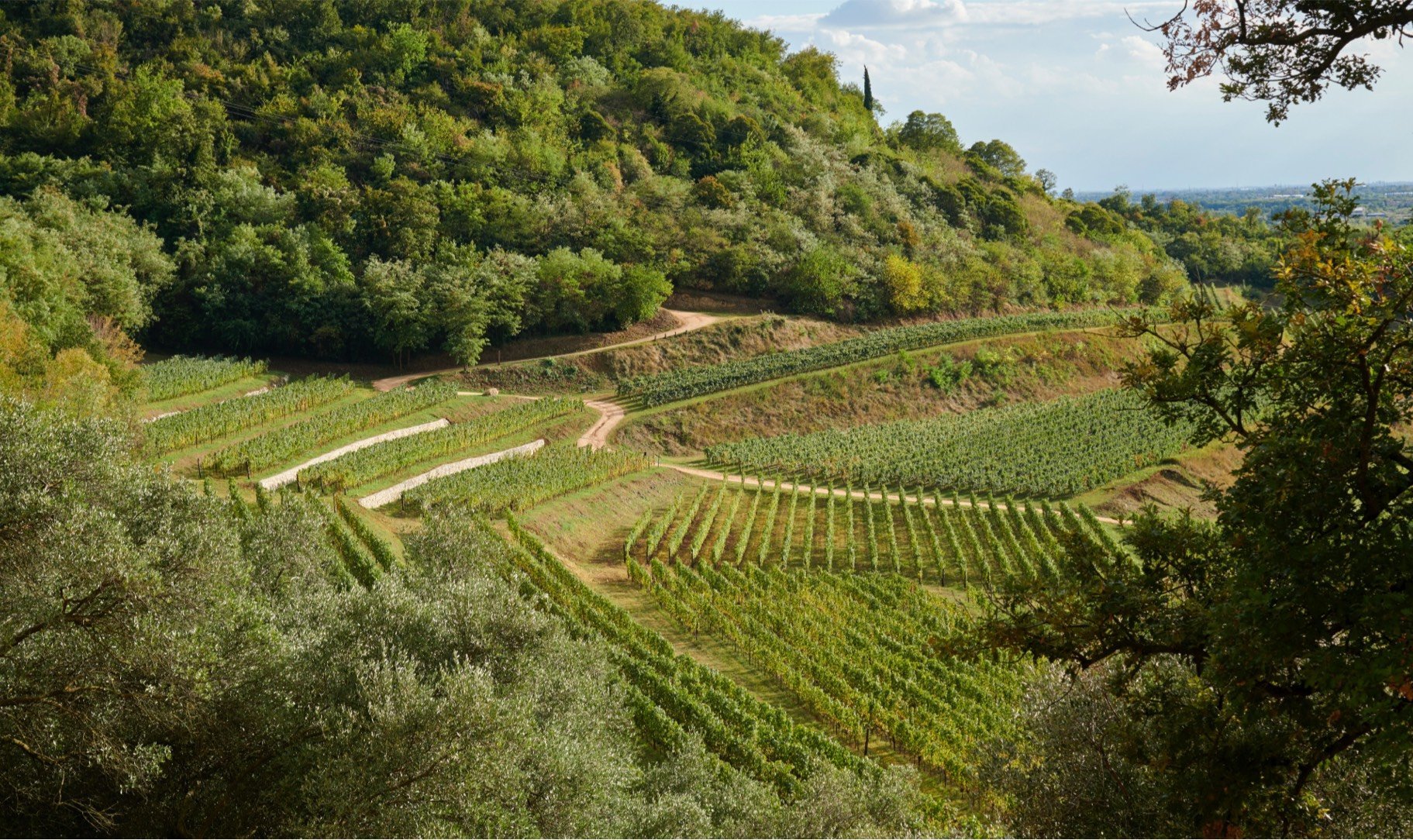
For Lonardi, the drying process known as appassimento that’s used to make Amarone produces wines that are expressive of terroir. Researchers studying
the compounds found in Corvina—the indigenous grape that is the foundation of the wine’s blend—agree. Typical markers for Corvina include balsamic and tobacco notes that increase during appassimento, and the presence of these markers in aged wines points to specific vintage conditions.

An abundance of beauty ushered in the new year in Northern California.
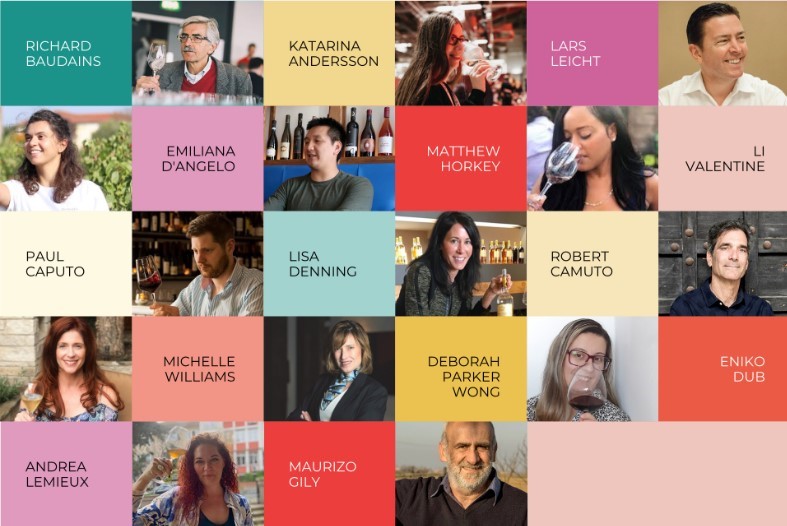
The winning wines at this year’s competition are memorable for several reasons: The whites were fresher, the rosés crisper, and the red wines seemingly more elegant than I recall them being in 2015.

In her role as head winemaker at Markham, Kimberlee Nicholls directs an all-female team that includes assistant winemaker Abigail Horstman, enologist Patricia Sciacca and viticulturist Taylor Abudi. The collaborative culture that thrives at Markham is a direct result of how she prioritizes the professional growth of her team.

Wine culture in Itata Valley, the northernmost of Chile’s three southern wine regions, exemplifies what is known as “evolution in isolation.” Experiencing no phylloxera and only a modest incursion of international grape varieties, this isolated region has held on to its heritage grapes and ancestral winemaking practices seldom found beyond its borders.

Of the California wineries celebrating their 50th birth year in 2022, six gathered to mark the occasion with a retrospective tasting at The Culinary Institute of America at Greystone in St. Helena. Each dazzled us with three wines while reflecting on five decades of harvests and providing a snapshot of their current vintages.

In an effort to expand my perception beyond my daily work with beverage alcohol, I tackle the evaluation of chocolate and fragrance a few times each year by judging hundreds of products as part of an unpaid panel.

The San Francisco Bay Area has long been a destination for the wine world’s movers and shakers; you can read about those I meet in my new column, Date by the Gate. This cycle, winemakers and authors made their way to the the area with tastings and book signings that were nothing less than awe-inspiring.

By now, most informed wine consumers have accepted the fact that sulfur isn’t the root cause of wine-derived headaches and instead place most of the blame on alcohol. Meanwhile, what has been identified as a source of adverse reactions to no- and low-sulfur red wines, particularly by histamine-sensitive consumers, are biogenic amines. What are they and why can they be a problem?

While perceptual learning plays an important role in evaluating wine, there’s another phenomenon related to perception that arises from the wine itself: perceptual interaction. When our olfactory system
is confronted with complex aromas, we often perceive them as a single aroma due to odor blending in a process known as
configural perception (our perception of the smell of coffee as a single aroma is just one of many examples).

After tasting the Piper-Heidsieck Hors-Série 1971 ($499), a rare, late disgorged Champagne that spent 49 years resting peacefully on its lees, I was inspired to delve deeper into the role yeast autolysis plays in the flavor development of sparkling wine.

Our sense of smell is based on two delivery pathways, orthonasal and retronasal; that makes it the only “dual sense modality” we possess, one that provides information about things both external and internal to the body.
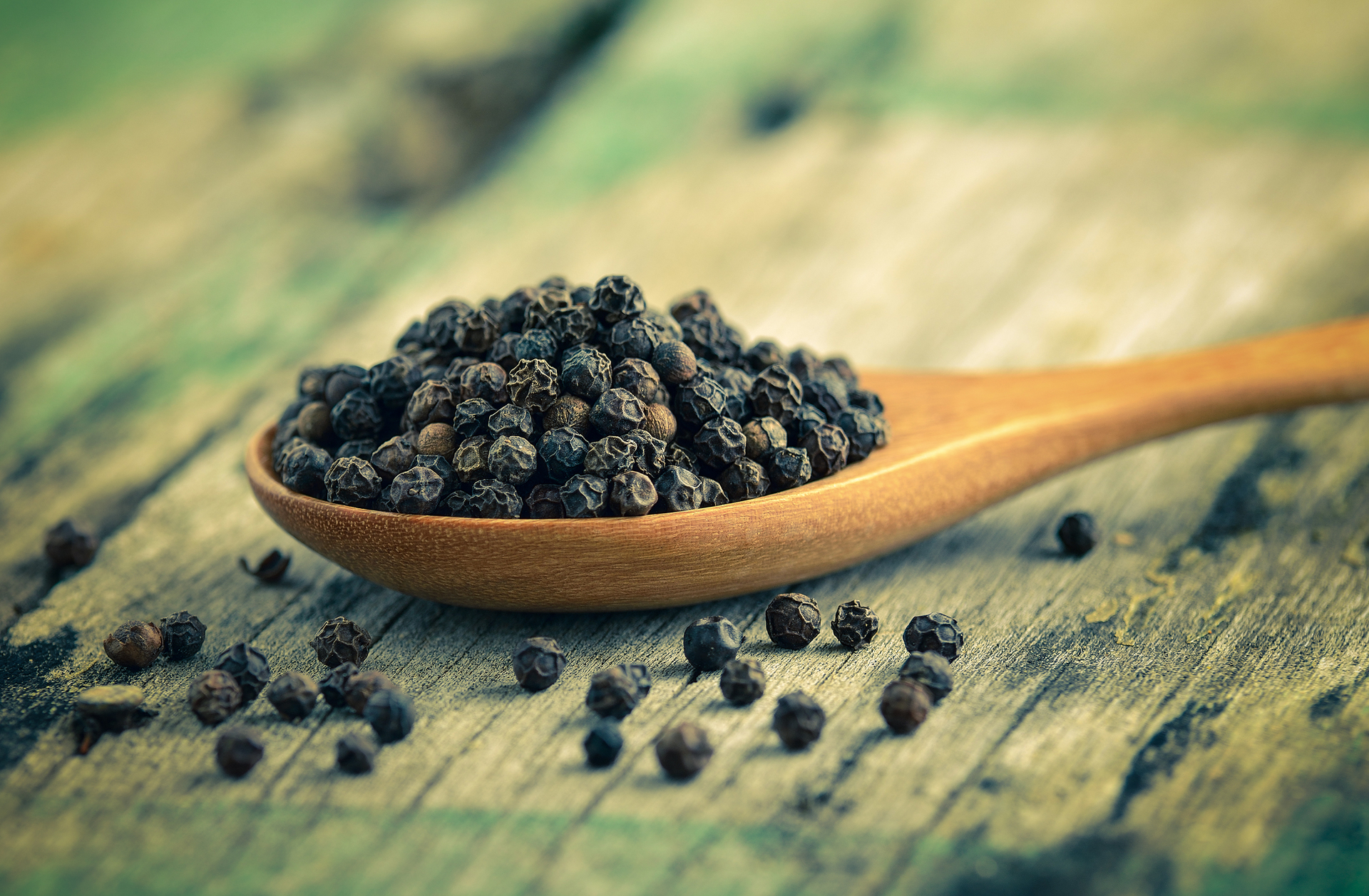
Now the days of comparing a
glass of Northern Rhône Syrah to
a strip of peppered bacon appear
to be coming to an end.

Get US Market Ready host Steve Raye talks with Slow Wine Guide USA National Editor Deborah Parker Wong about her journey and work as an educator, journalist and much more. The 2021 Slow Wine Guide USA is available on Amazon.com.

Alvarinho produced in its native terroir is incomparable to expressions of the variety grown elsewhere. But it may ultimately prove to be on a trajectory similar to that of Pinot Gris, which is renowned for producing light, delicately floral wines in Italy’s Collio region and wines of great mineral intensity and fruit purity in Alsace. Time will tell.
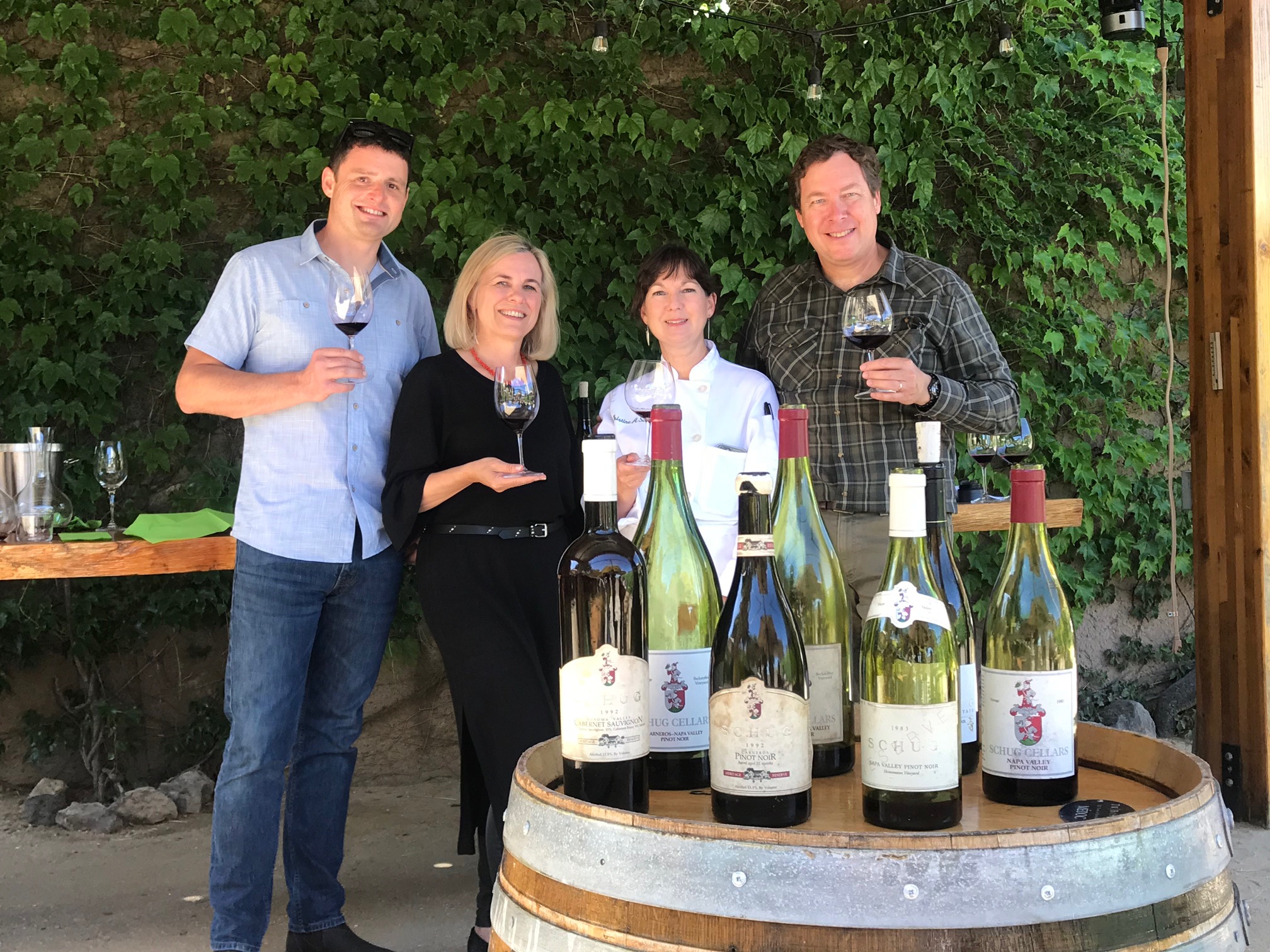
Walter Schug departed this world in 2015 but his passion for Pinot Noir lives on at Schug Carneros Estate which is celebrating 41 years of devotion to the variety. Axel and Claudia Schug, third generation winegrowers, were joined by chef Kristine Schug and winemaker Johannes Scheid as they presented a retrospective tasting that spanned the past, present and future of the Carneros estate winery.

What Argentina’s savvy winemakers have known for many decades—that certain vineyards reliably produce superlative wines despite vintage variations—is now scientific fact.

An infamous rooster named Maurice and a gaggle of contented geese have helped ensure biodiversity in France. In the face of complaints about the noises and smells typical of the countryside, the French Parliament passed a law on January 21, 2021, protecting what it calls the “sensory heritage” of its rural areas.
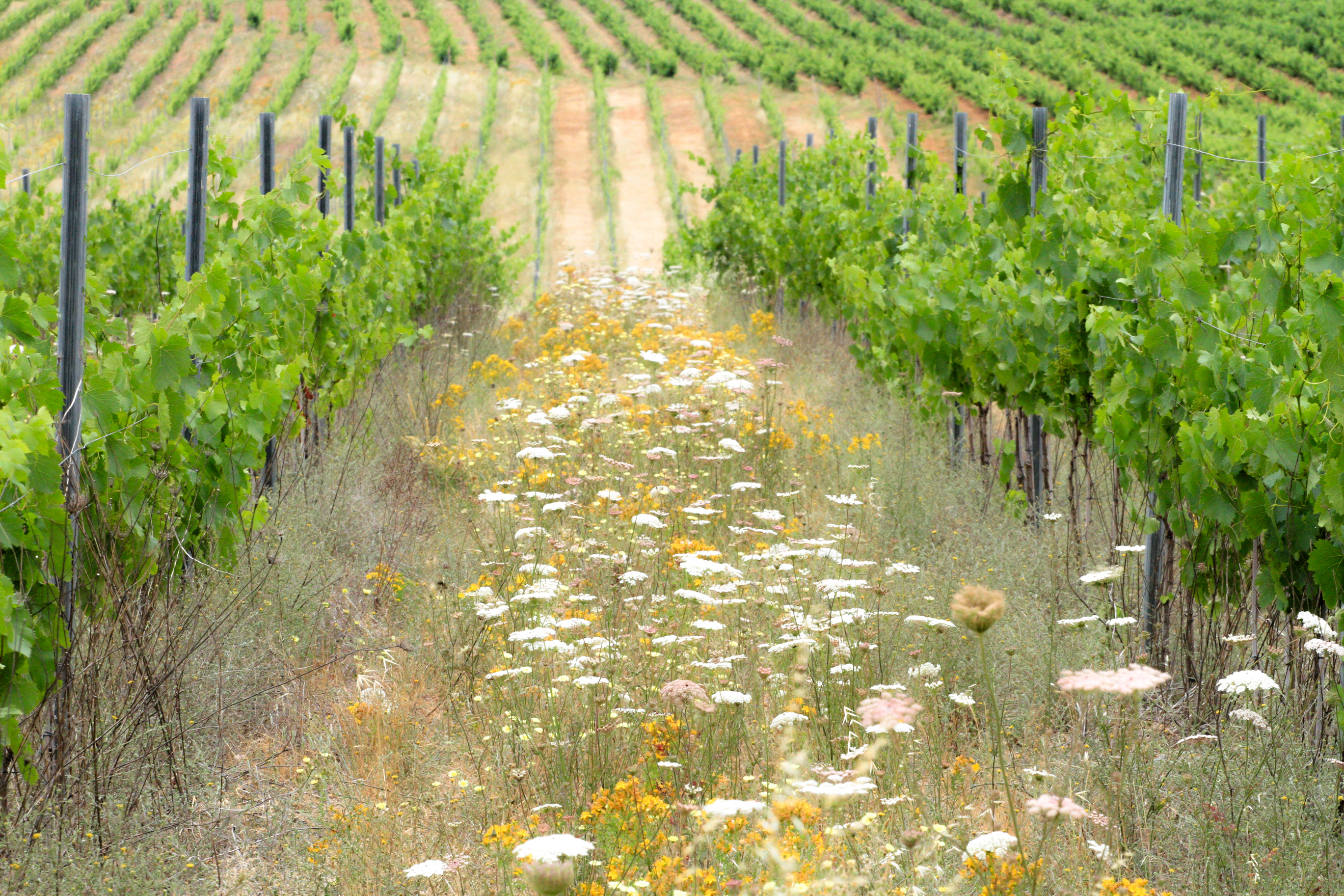
Producers in the Portuguese winegrowing region of Alentejo— whose vineyards encompass about 18,000 hectares, or almost a third of the country—have made significant gains in sustainability under the guidance of the Wines of Alentejo Sustainability Program (WASP).

Studying wine without the experience of tasting it in real-world settings such as trade events and seminars is frustrating at best. One elegant solution,
developed by author and educator Evan Goldstein, MS, and his business partner, Full Circle Wine Solutions CEO Limeng Stroh, has quickly become the gold standard of study tools for professionals and consumer enthusiasts.
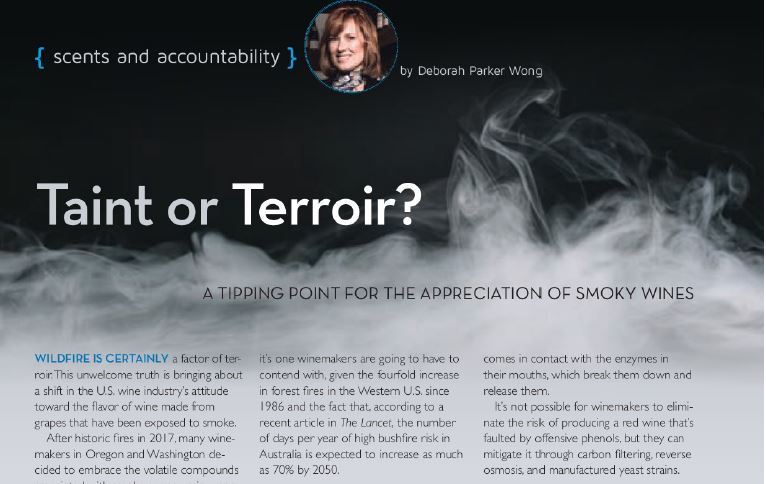
Rex Ting-chia Ting DipWSET has translated Taint or Terroir for our Chinese readers.

Chinese translation by Rex Ting-chia Ting, DipWSET Rex Ting-chia Ting, DipWSET has translated Bobal: Past, Present and Future for those who read Chinese. Enjoy!

Vodcasting is where podcasting is headed. Superb vodcasting relies on the format you use and the quality and reliability of your recording software and internet connection.

In the search for alternative ways to control grape vine diseases while reducing the use of synthetic herbicides and pesticides, a cadre of modern hybrids—second- and third-generation interspecific varieties— are demonstrating considerable promise in both the vineyard and the glass.

When I first tasted the Valpolicella wines produced by Valentina Cubi in January of 2011, I was captivated. After visiting the organic estate a few times over the last decade and tasting the wines during the annual Amarone Anteprima events that are held every February in Verona, my appreciation has only deepened. This year the winery which is located in the Valpolicella Classico region of Fumane marks a key milestone celebrating a decade of organic certification.
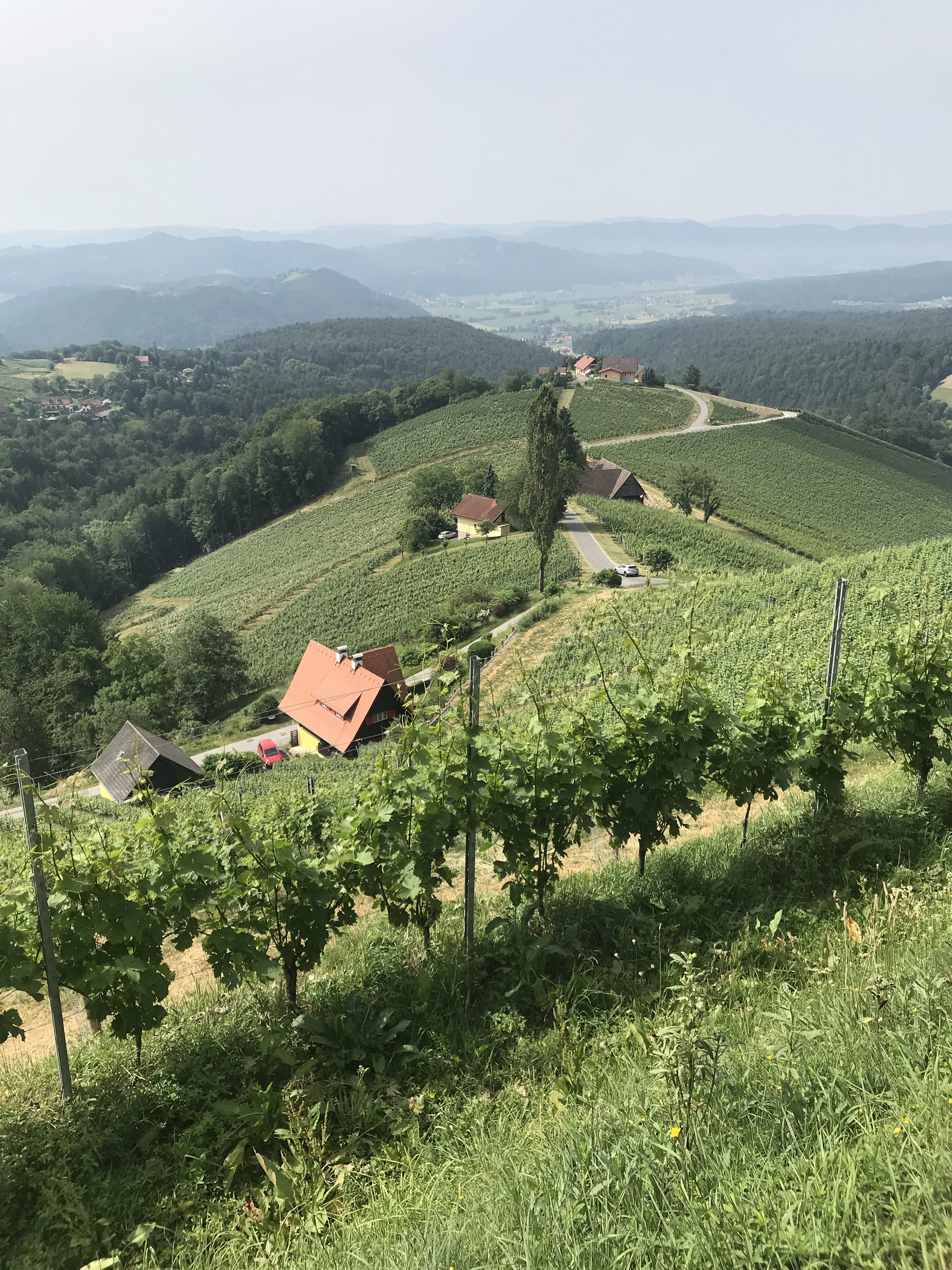
It’s Sauvignon Blanc—not Grüner Veltliner—that’s the star of the show in Austria’s Südsteiermark DAC, a historic winegrowing region in the country’s southern state of Styria that has evolved rapidly over the last thirty years. The variety is grown at high elevation in all five of Südsteiermark’s sub regions and on steep slopes that rival those of the Mosel.

Inspired by its striking maritime climate—attributable to the juxtaposition of the San Rafael Mountain and Transverse Ranges to the Pacific coast as well as to its chalky, sandy loam soils—the Miller Family named the site Bien Nacido, which means “well born” in Spanish, and planted it in 1973.
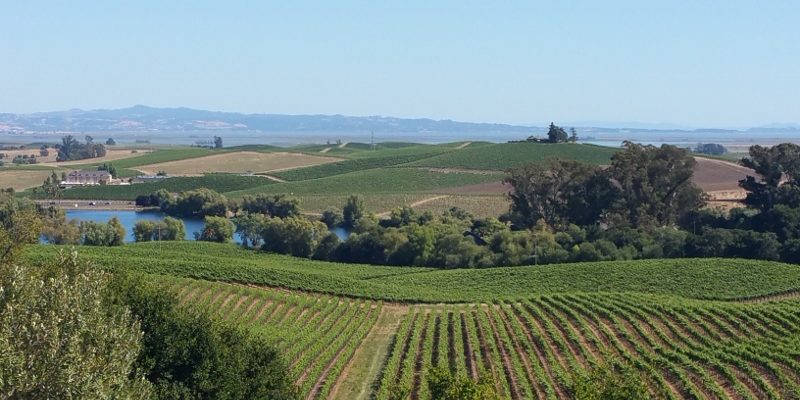
California Chardonnay has had its ups and downs over the last 60 years but it had clearly been a cash cow for many producers whose styles have evolved while remaining a hallmark for others whose style hasn’t changed significantly for decades.
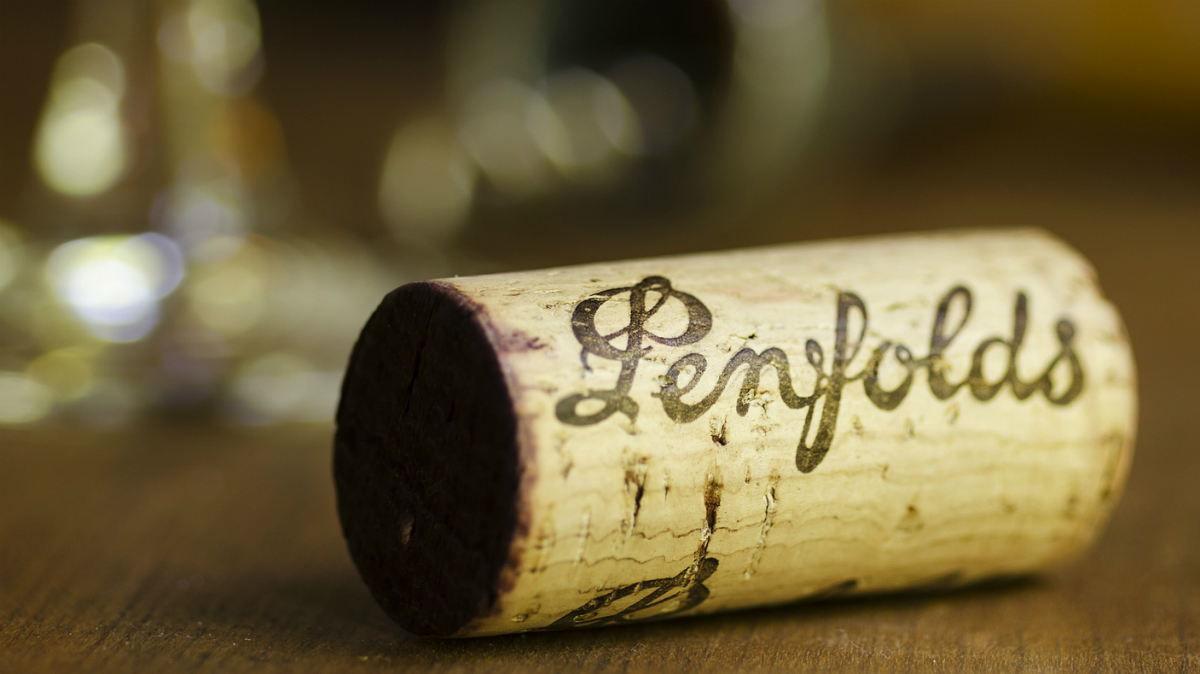
In keeping with Gago’s practice of tasting verticals of older Penfolds vintages alongside panels of expert tasters, I’ve amended my tasting notes to include the historical perspective documented in Penfolds: The Rewards of Patience. This consummate guide to all things Penfolds provides invaluable hindsight through the lens of the world’s most highly-regarded palates.
Iron Age wineries tamed the ancestor of the indigenous Bobal vines of Utiel-Requena.

There is no better time to gauge the quality and stylistic range of Sauvignon Blanc than during the only international wine competition devoted solely to the variety: the 2020 Concours Mondial du Sauvignon, which unfolded in Touraine, France, in early March.

In early February an unprecedented gathering of approximately 200 producers of Barolo and Barbaresco arrived in New York City to present their 2016 and 2017 vintages to the trade. They gathered at Center415 in midtown Manhattan for a walk around-tasting that ran for five hours; a boon for tasters who for once had time on our side.

In northeastern Spain, Garnacha Blanca can predominately be found in the regions of Calatayud, Campo de Borja, Cariñena and Somontano but the Terra Alta PDO has the treasure trove with 1400 hectares of old vine Garnacha Blanca under vine. That amounts to one-third of the vines grown worldwide and growing as new plantings are on the rise.

Enjoy your free digital edition of the 2020 Slow Wine Guide.

When Sonoma’s La Crema Winery turned 40 last year, it celebrated the milestone with a unique exercise: Led by Dr. Henry “Hoby” Wedler, it was easily one of my top sensory experiences of 2019.

Prolific video blogger and wine writer James Melendez tells me that this insightful interview is one of his most popular to date. Read it on his James the Wine Guy site – https://jamesthewineguy.wordpress.com/2019/08/20/james-the-wine-guy-interview-series-deborah-parker-wong-wine-opinion-leading-communicator-journalist-and-author/#comment-12859
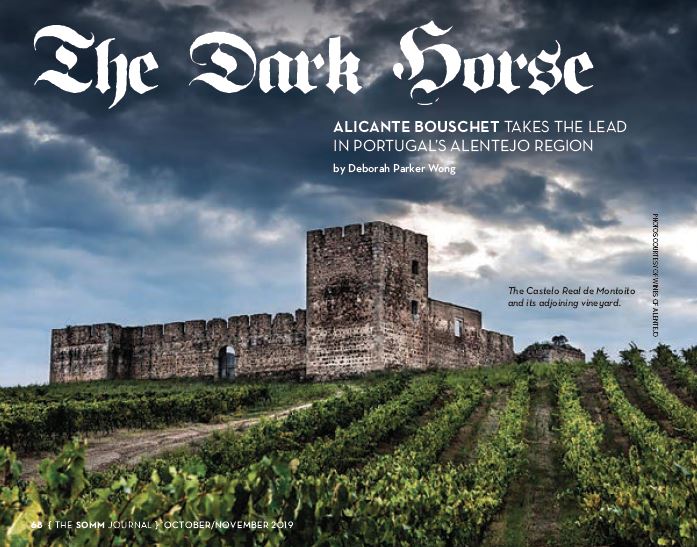
As grape varieties go, it’s fair to say that Alicante Bouschet (Ahlee-KANT Boo-SHAY) is flashy in the vineyard. It’s one of the few—along with Chile’s Carménère and Campania’s Piedirosso— whose leaves turn a deep, brilliant shade as the growing cycle winds down.

The SOMM Journal’s Global Wine Editor, Deborah Parker Wong, DWSET (’09), recently hosted three professional mixers marking the 50th anniversary of the London-based Wine & Spirit Education Trust (WSET).
Parker Wong teamed up with three Sonoma wineries—Balletto
Vineyards, Sangiacomo Wines, and McEvoy Ranch—in welcoming WSET
alumni and students as well as members of the trade to taste and network
during Wine Education Week, held September 9–15. Three lucky attendees were awarded access to a Level 2 online certification course.
I’ll be teaching Wine 123: Causation and Detection of Wine Defects at Santa Rosa JC next semester (Spring 2020). Check out our video courtesy of the Distance Learning department’s Emily Hansen –

There’s little doubt this disruptive reinvention of the beverage category will impact wine and beverage alcohol consumption for a host of reasons. Among them is alcohol moderation or abstinence by younger consumers whose lifestyles already include frequent consumption of functional products. While beer and spirits producers have already found purchase in the category through brand extensions and acquisitions, wine producers don’t seem in any hurry to participate.

Although we understand the physiology of the olfactory epithelium, the organ where volatile aroma compounds are converted in to the electrochemical signals that we perceive as aromas, smell or olfaction is still largely a mystery. For example, we have 400 types of olfactory receptors but we don’t know which volatile aroma compounds activate the majority of them.
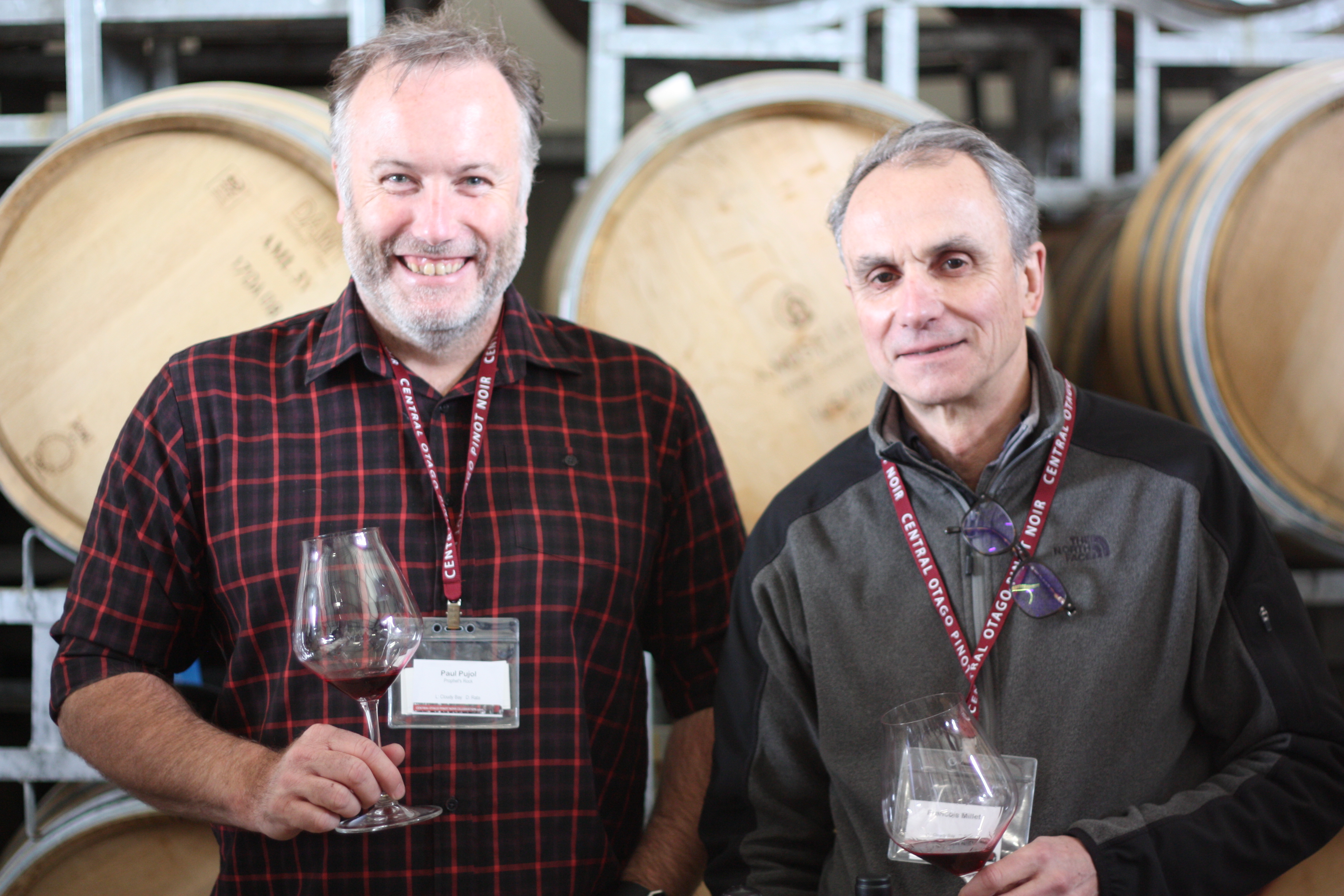
When winegrowers in Burgundy found kindred spirits among the winegrowers of Central Otago the resulting collaboration now in its twelfth year has everyone who loves Pinot Noir cheering.
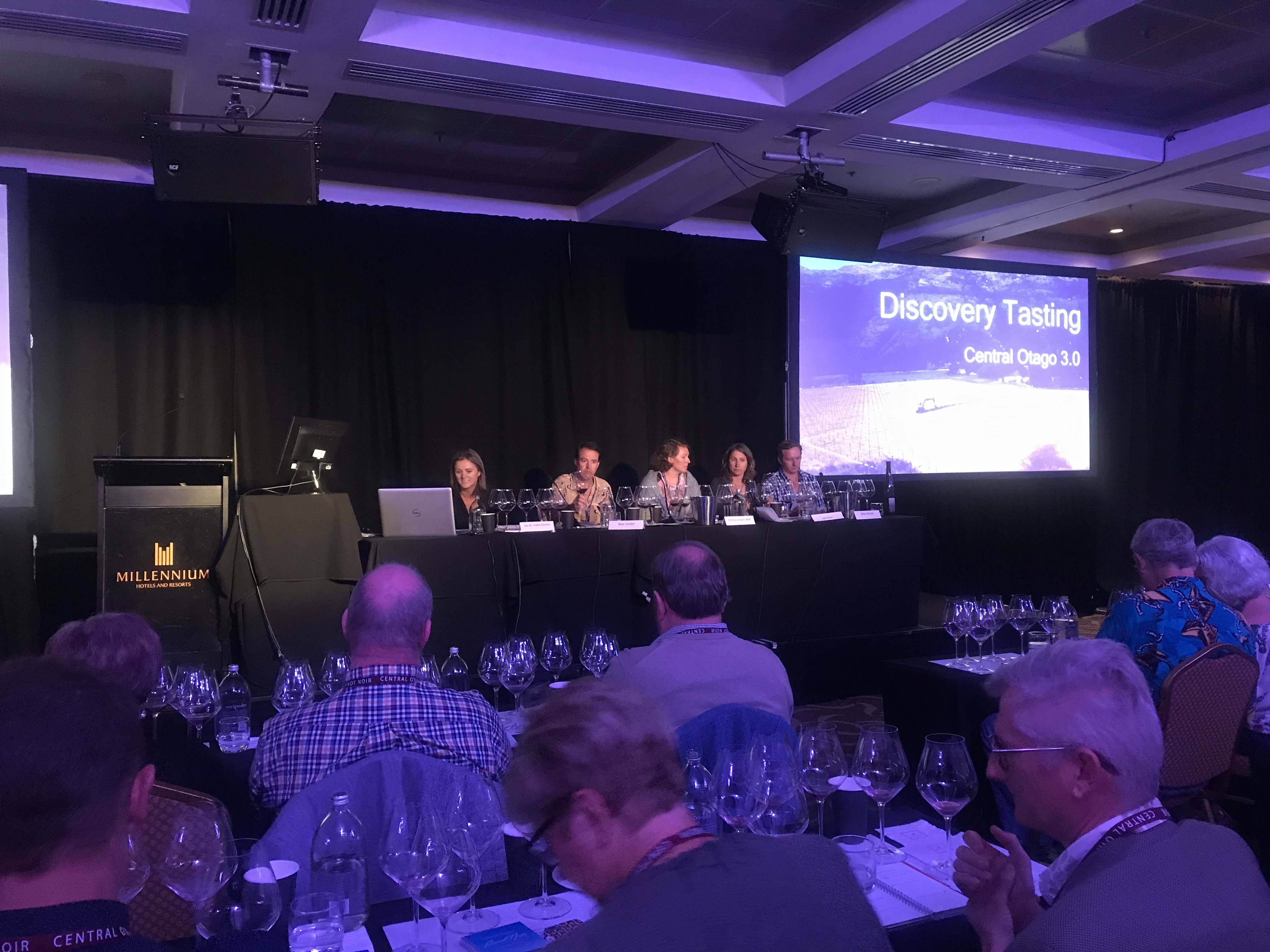
The three-day 2019 Pinot Noir Celebration held in Queenstown, Central Otago delivered on Chairman Paul Pujol’s welcome promise of examining the region, its producers and their wines with a perspective as fresh as a stiff breeze off Queenstown Bay.
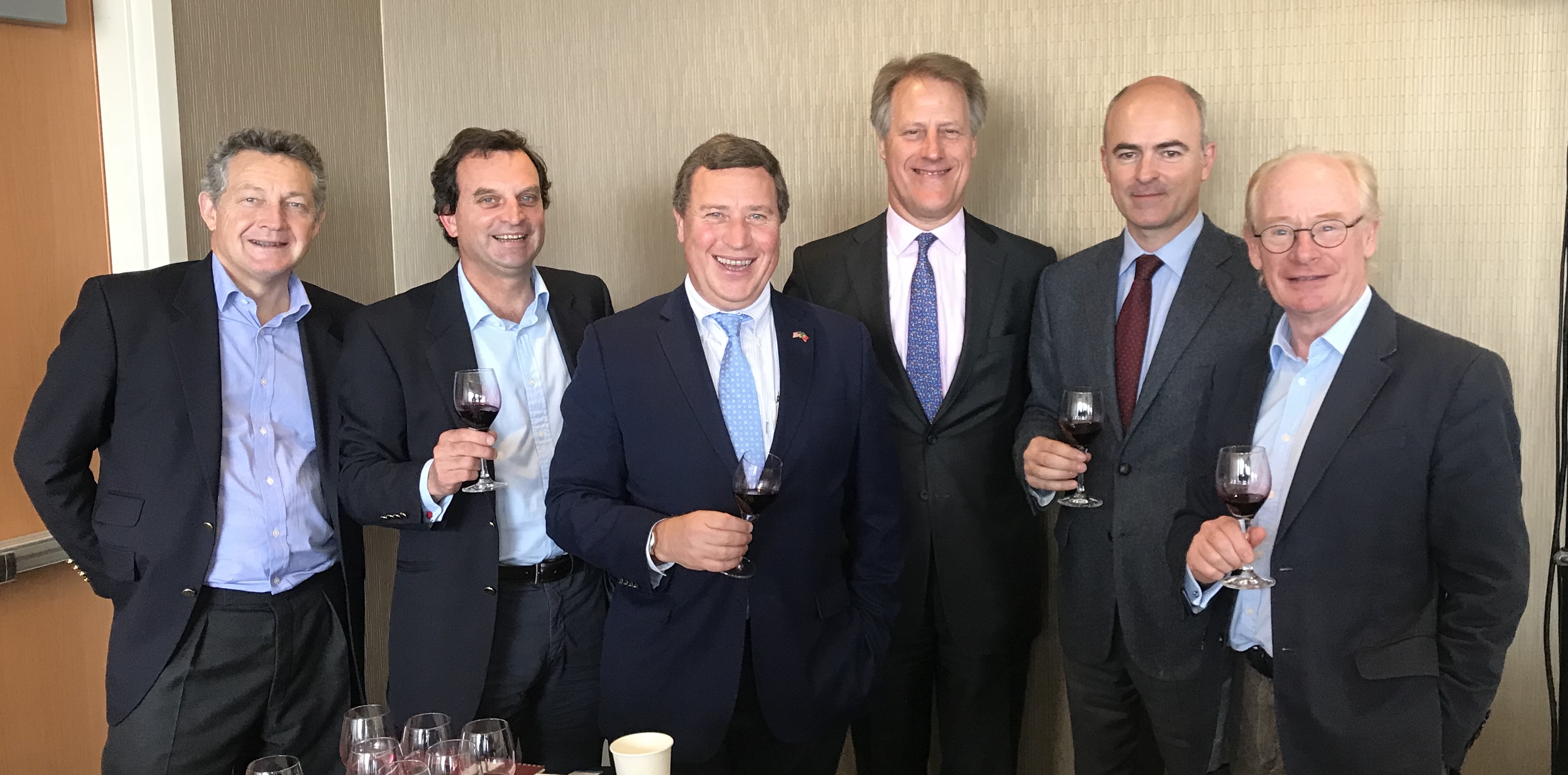
The flight of 16 vintage ports produced by the Symington Family Estates, The Fladgate Partnership and Quinta do Noval were presented to the trade during the tasting hosted on May 9th at the Nikko Hotel.

Gone are the days when wine tasting was synonymous with standing at a bar. Wineries are now offering tasting experiences that include such activities as hiking with your dog, appreciating a world-class sculpture garden and breathing through a yoga class. If you think a standard wine tasting at a bar sounds more like drudgery than a dream day, these four non-traditional wine tasting experiences are for you.
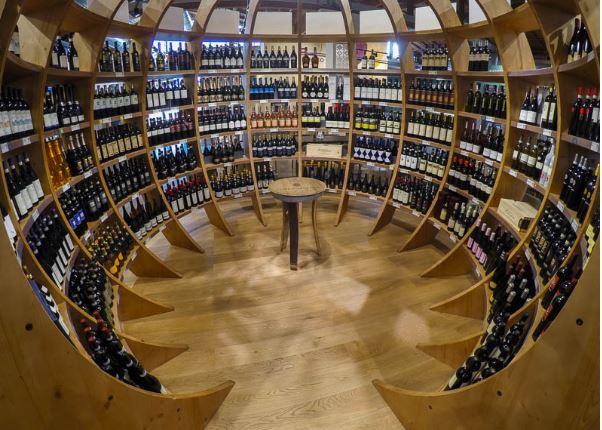
Best known by Americans for its iconic food products—namely prosciutto di Parma, Parmigiano Reggiano cheese, Balsamic vinegar, and its effervescent Lambrusco wines—there’s far more to Emilia-Romagna than these familiar tastes.

The recuperation of New Mexico’s wine industry began in earnest when Italian, German, and French viticulturists brought their expertise to the state in the 1980s. Winegrowing in New Mexico continues to be influenced by these modern-day founding fathers, their families and a host of young winegrowers who are quickly elevating the quality and style of the region’s wines.
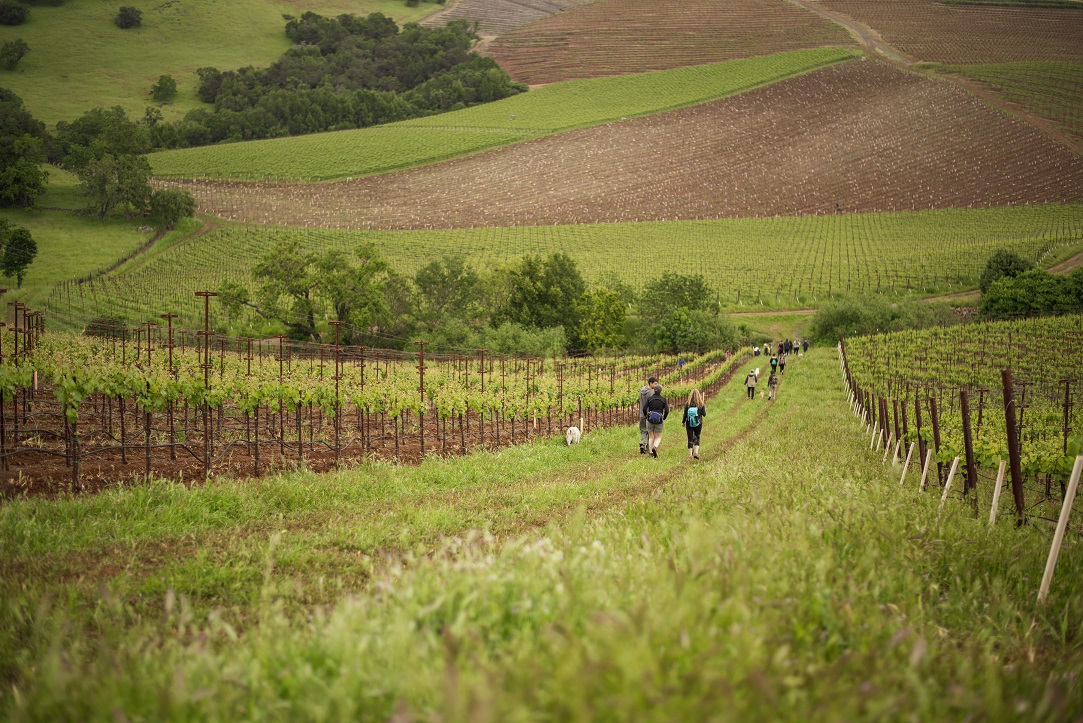
The odor of wet dog isn’t exactly something we want to detect in wine, but
experiencing this scent after a communal hike at Kunde Family Winery in Sonoma Valley could actually prove enjoyable.

Young winemakers in New Mexico are leveraging the wisdom of the region’s winegrowing founding fathers and creating some buzz for the state’s expanding industry. One of whom is Ruidoso native Jasper Riddle whose Noisy Water Wine Co. sources fruit from no less than eight different vineyards and often more from sites focused in the northern regions of the state. “We champion the fruit of local growers,” he said and in doing so he’s found a ready local market for his wines. Riddle is a fifth-generation farmer and winemaker who bought Noisy Water Winery in Ruidoso in 2010. He credits his Italian heritage and early exposure to wine culture by his sommelier father for helping him dial in his passion for wine. “2018 was good for us with new vineyards coming online. However, we did see a late freeze after bud break in the Las Cruces area and that reduced yields there by 70 percent at some sites.” Riddle who finished his tenth harvest in 2018 said he crushed about 200 tons of fruit in 2018. A …

Among our many activities, wine professionals devote a considerable amount of time to perception, the state of being where we become aware of something through the senses.
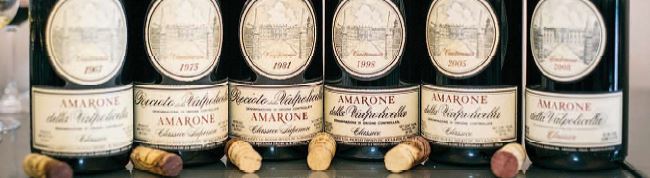
When winemaker Andrea Lonardi took the stage at September’s Full Circle Beverage Conference in San Francisco to present a tasting of Bertani Amarone Classico, he had what amounted to a Sommelier Justice League by his side: Master Sommeliers Brian Cronin, Tim Gaiser and Peter Granoff, all of whom provided perspective and humor as they tasted through 50 years of Bertani winemaking prowess. Born and raised in a vine-growing Veronese family, Lonardi began his tenure at Bertani in 2012. Although he didn’t personally make any of the wines that were tasted during the masterclass — the 2008 Amarone was bottled in 2016 — the pride he showed while presenting them was rather paternal. “The wines we are making today will be presented by another winemaker 50 years from now,” he told attendees. The Birth of Bertani Amarone Being both modern and ancient, Amarone is a paradoxical style; its rising popularity and commercialization in the 1950s gave the Valpolicella region a wine of true cult status; one that holds its own next to ageworthy Barolos and Brunellos. …

Vinexpo Explorer presented the gathering of wine buyers and press from 27 countries with an opportunity to take a deep dive into the region and its terroir, personality, and the myriad wine styles produced in Sonoma County. Spirited interviewed some of these buyers, most of whom were first-time visitors to the region, to gather their firsthand impressions of Sonoma County wines.

When wine professionals encounter a sensory deviation in wine and the offending molecule isn’t obvious, cork often takes the blame by default.
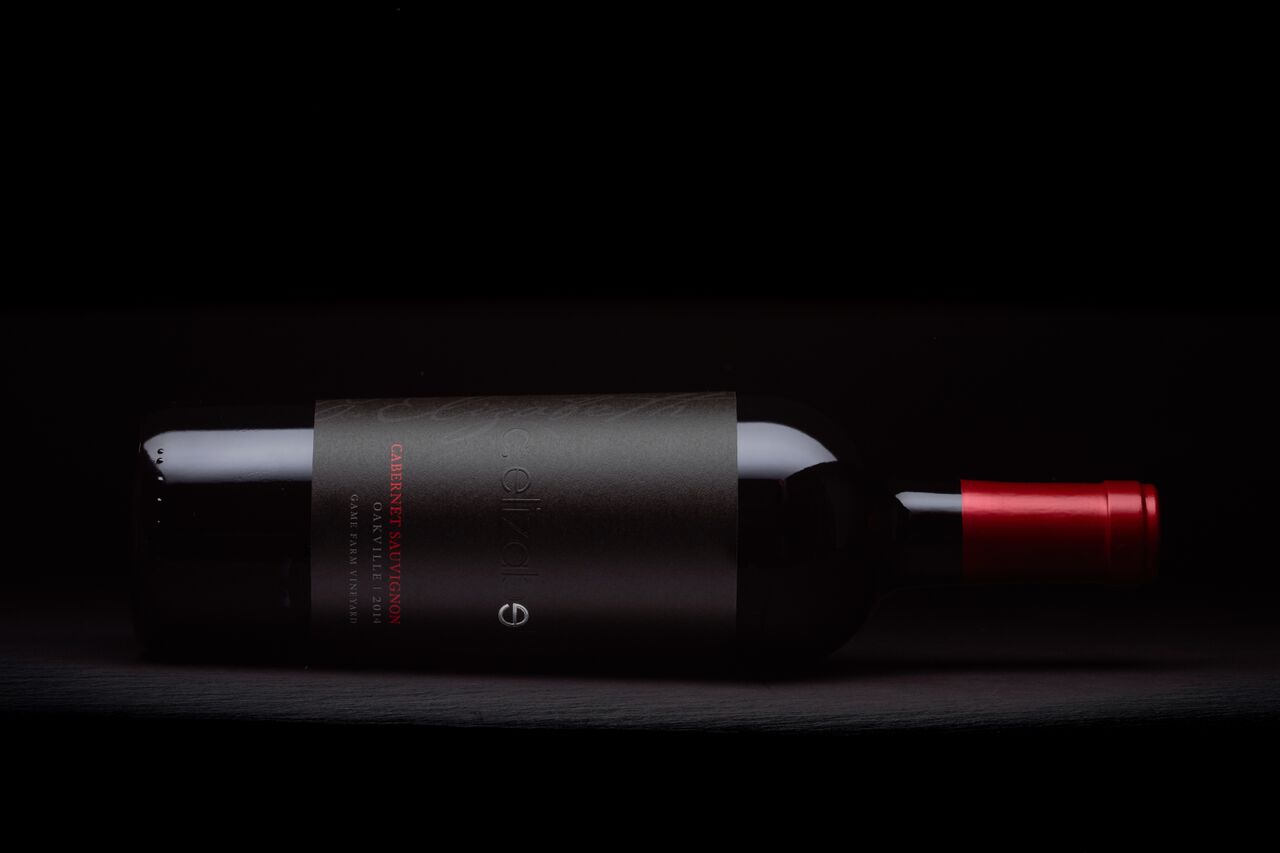
Cobbles reminiscent of the kind you find in the Southern Rhône aren’t the first thing you typically encounter in a Napa Valley vineyard. At Game Farm vineyard, owned and managed by Alex Vyborny and son Ben, it’s what differentiates their site from many others in Oakville. That cobbled terroir drew Goosecross Cellars winemaker Bill Nancarrow who sources fruit for the independent C. Elizabeth brand to the site like a bee to honey.

At first glance, this ethereal Sauvignon Blanc which is described by Mike Bruzus, associate winemaker at Picchetti Winery, as “almost color less, the palest straw” could be mistaken for water. But from the moment your nose comes within a few inches of the glass, there’s a rush of aromas, a jumble of fragrance that includes pink grapefruit, pineapple, gooseberry, honeydew melon, guava, lychee and mineral notes of wet rocks and saline. A precursor of what’s to come when you taste it and a certain indicator that this isn’t a “simple” wine.

Spanish missionaries at Mission Soledad first planted vineyards in the region now known as the Santa Lucia Highlands AVA in the late 18th century. But winegrowing on the windswept terraces of the Santa Lucia mountain range began in earnest in 1973 when Rich and Claudia Smith established the Paraiso Vineyard. Parasio is the tenth iconic vineyard to be acknowledged by the California State Fair as Vineyard of the Year.

Seventy eight lots of barrel-selected 2016 Pinot Noir and three collaborative lots of Chardonnay were auctioned by the Willamette Valley Wineries Association on Saturday, April 7 at the Allison Inn & Spa in Newberg, Oregon. The event which is now in its third year raked in a total of $800,000, an amount that bested the 2017 take by more than half and exceeded expectations for both average lot ($9,099) and bottle price ($124). The exceptional quality and range of style of the 2016 vintage was showcased at preliminary tastings held April 6th at Domaine Drouhin Oregon and Stoller Family Estate and the auction lot wines were poured for final consideration during the few hours preceding the live auction. 2018 auction chair Laurent Montalieu, owner and winemaker for Soléna Estate and Hyland Estates, said “We expect 2016 to go down in history as a benchmark year for Oregon.” Returning auctioneer Fritz Hatton met little resistance from an enthusiastic crowd of national and international bidders almost half of whom were first-timers at the event. Antica Terra winemaker …

Considering the benefits of spending more on wine. Luxury wine brands rank among a handful of product categories that are an outright contradiction of the law of demand. Known as Veblen goods after the American economist Thorstein Veblen, luxury products like wine, cars, jewelry, and artwork occupy a rarified status among consumers who are inclined to buy more as the price increases. While conspicuous consumption stands in direct opposition to the pursuit of quality for value that drives many a savvy wine buyer, neuroscientists have reported that when we buy luxury goods, we experience emotions of trust, security, contentment, and confidence over the duration of ownership. Apparently there’s more to the experience of drinking a bottle of ultra-premium Champagne, even if its lifespan lasts just a few hours during dinner. Authenticity and timelessness are considered the hallmarks of established luxury brands, but it’s possible for newly-minted brands to achieve a similar status when their underlying concept demonstrates those principles. Champagne is unquestionably a luxury product, and many brands and wines of the highest quality occupy …

With millions of unknown species existing in a ton of soil, biologist Edward Osborne Wilson has called bacteria “the dark matter of the biological world.” While our knowledge of the roles known bacteria play in the vineyard enables us to make delicious wine, the unknown far exceeds the understood when it comes to analyzing these soil microbiomes. According to biochemist Paco Cifuentes, who has compared studies from hundreds of vineyards, there’s a distinct kingdom of organisms found only in soils farmed sustainably with organic fertilizers. When evaluating the health of a vineyard, the presence of these organisms becomes a marker for sustainability and diversity. “In a conventionally-farmed vineyard, you’ll find on average 500–700 different types of microorganisms,” says Cifuentes. “In sites that are farmed sustainably, we find anywhere from 1,000–1,200 microorganisms, the majority of which are bacteria.” This promotes an environment of checks and balances where beneficial organisms can effectively suppress harmful organisms and help prevent disease. That vast array of potentially present microorganisms includes “a dozen or so very distinctive organisms that never show …
It’s estimated that roughly 25 percent of the world’s wine production is sold as bulk wine, a segment that’s described by one broker as the industry’s “soft underbelly” and exists for most consumers in the form of virtual brands. With the rise in popularity of bulk wine-derived, private label brands (brands developed for retailers, hotel chains, and restaurants, which sell them directly to consumers) and more producers entering the market in recent years, bulk wine has shed its low-rent image and become a hot commodity. With a healthy 6 percent annual growth rate for the last six years—and no signs of lagging—capitalizing on the continuing growth that’s predicted for the global bulk market depends largely on where you sit in the value chain. Identifying opportunities means navigating between the supply side of producers, brokers, and contract suppliers, and the demand side that includes retailers and on-premise operators. Short-term supply outlook Staying one step ahead of expansions and contractions of the bulk wine market is key for short- and long-term planning. Increasingly, brokers and contract suppliers …

Terra Alta is the most westerly of Catalonia’s DOs which are clustered around Barcelona and include Alella, Conca de Barberá, Costers del Segre, Empordà (on the border of France), Montsant, Penedés, Plà de Bagés, Priorat (DOPQ) and Tarragona. Both Cataluña and Cava are broader designations that also apply to the Catalonia region.

Interested in exploring the Spanish wine region of Rioja? I’ve got some firsthand, no-fail recommendations for tasting, dining, accommodations and cultural enrichment. If you begin your stay in Haro, there’s really no need to drive if you want to visit the eight wineries clustered around the historic Haro train station. They’re all within comfortable walking distance of the town center although most of the Spanish tourists I spotted were driving and taking advantage of the ample parking. The winery tasting rooms that I visited in Haro – La Rioja Alta, Muga, CVNE and Bodegas Bilbainas – and those at outlying wineries – Marqués de Riscal, Bodega Dinastia Vivanco, Torre de Ona – are all stylish, comfortably appointed and well equipped for English speaking guests. Muga’s tasting room was stocked with high-quality goods and teaming with eager shoppers who were offered gracious and informed hospitality. Walk-in tasting fees at CVNE were very modest and I had a quiet table to taste all eight wines on offer at my own pace. Lunch time, however, can pose a challenge as all the restaurants …

The IBWSS was the first-ever bulk and private label wine and spirits event in California Close to 1500 wineries, distilleries, importers, distributors and retailers met in San Francisco for the debut of the highly anticipated International Bulk Wine & Spirits Show on July 26 & 27. At the event, suppliers and buyers traded and attendees learned about the latest trends in bulk wine and spirits, including methods to use private labels as a way to win over customers, boost loyalty and drive new sources of revenue. The event saw unprecedented success with most exhibitors walking away with deals or potential contacts with buyers. Exhibitors had the chance to meet buyers from Gallo wines, Trader Joe’s, Kroger’s, Bevmo amongst many others. Buyers came from all over the United States and were not limited to the vicinity of the Californian wine industry. In the post-event survey, 80% of the exhibitors reported a high level of satisfaction with the show quoting that they were pleased with the number and the quality of buyers that they met at the …

Primary wine flavors (the combination of aromas and tastes) come from the grape variety itself and are almost always fruity except when they’re not. Secondary aromas are those associated with post-fermentation winemaking and include yeast, lees, yogurt, cream, butter or cheese and a full spectrum of flavors derived from oak. Tertiary flavors are defined as deliberate oxidation, fruit development, bottle age or any combination thereof.

If you’re keeping tabs on wine quality in Southern Italy with its myriad indigenous grape varieties and oftentimes limited access to distribution, this update on the Sannio DOC should prove to be useful. Through a combination of research trips to Campania and the opportunity to judge the Radici del Sud “Roots of the South” wine competition which has been held in different venues in the town of Bari, Puglia since 2006, it provides a look at the key factors for the region and a snapshot of wine quality.

The International Bulk Wine & Spirits Show (IBWSS) kicked off in San Francisco on July 26 with a packed exhibition hall and a keynote address from Bobby Koch, President and CEO of the Wine Institute. That led to a full day of presentations, workshops and master classes from some of the top names in the bulk wine and spirits industry.

San Francisco continues to be one of the world’s most important destinations for leading players in the wine industry, so it’s no surprise that a major conference dedicated to the private label and bulk trade is making its way to the city on July 26-27.

What are your beliefs about terroir? Researchers across multiple disciplines find some common ground at the 2016 Terroir Congress XI.

To filter or not to filter? You’ll find winemakers in both camps. But when filtration is called for, cross flow technology is proving to be the best case scenario for leaving wine sitting pretty. Although there are scenarios where older filtration technologies like hardwood cellulose pads or diatomaceous earth (DE) are better suited to the task, the minimal risks and considerable rewards of state-of-the-art cross flow filtration are readily apparent in the cellar and in the glass. “There’s a time and place for unfiltered wines,” says Gary Sitton, newly-appointed winemaker at Ravenswood Winery (Sonoma, Calif.), founded by winemaker Joel Peterson in 1976. “We view filtration as a tool that lets us guarantee the quality of our Vintners Blend and County Tier wines.” In an effort to work more sustainably in the cellar when filtration is necessary, winemakers like Sitton have found alternatives to crystalline silica-laden DE filtration, which requires workers to wear protective gear and to dispose of hazardous waste. “From a quality perspective, cross flow has let us move away from the use of pads …

Minerality — Without question the most controversial and elusive of wine descriptors. This comes as no surprise given that the exact definition of what minerals themselves are is still under debate and has been expanded as an element or compound formed through “biogeochemical” processes. Nutrient or dietary minerals—single elements like manganese, potassium, magnesium, iron, phosphorus, calcium, copper and zinc—are minor components of red wine. White wines have small amounts of iron, calcium, potassium, phosphorus and zinc. A serving of wine can also contain several milligrams of halite, the mineral salt (sodium chloride is the chemical name for salt), and we can accurately describe its taste in wine as saline minerality. Knowing that wine contains minerals, why is describing minerality so problematic? Largely because aside from halite, nutrient minerals are essentially tasteless. Only when they’re in a highly concentrated liquid form, for example as a dietary supplement, do they taste offensively bitter. But the elusive flavors we describe as “mineral” in some wines can be readily attributed to specific compounds. The two of the most common …

Just a few short years ago, integration was one of the biggest hurdles facing wineries of all sizes as they worked to combine mobile point-of-sale (POS) and customer relationship management (CRM) systems with a host of disparate back-end systems. The industry’s software as a service (SaaS) providers have responded by offering robust bundles of subscription services that address every aspect of winery management and sales cycles. While challenges still exist, particularly for capturing disparate social media channels and CRM, wineries of all sizes have effectively closed the gap on integration. Today, customization has emerged as the newest challenge confronting both business-to-consumer (B2C) and business-to-business (B2B) wine sales. According to Dave Dobrow, vice president of business development and marketing for Copper Peak Logistics, who recently spoke on a panel addressing customization at the Ship Compliant 2016 conference, wineries are doing a good job embracing the curated economy. “The subscription food business has gone berserk and wineries are looking to copy that success offering wine club shipments that are specifically curated to add value and recreate the …

The Los Carneros was pioneered twenty five years ago by sparkling wine producers who brought cache and joie de vivre to what is, in effect, the gateway to Napa and Sonoma Valley wine country. 2016 has seen a flurry of expansion there by still wine producers who are confident there’s a lifestyle proposition that goes hand in hand with selling Pinot Noir and Chardonnay. A veritable force in raising the visibility of Carneros Pinot Noir, Anne Moller-Racke, President and Winegrower of Donum Estate, is spearheading an expansion that includes the construction of a new production winery and tasting room scheduled for completion in 2017. Once a dairy farm, the estate was planted to vines in 1985, came under Moller-Racke’s supervision in 2001 as Donum and was purchased by Danish investors in 2011. “Site is quality; clone is personality,” said Moller-Racke as we tasted current release 2012s sourced from the winery’s four vineyards: Donum and Lawler in Carneros, Winside in Russian River and Angel Camp in Anderson Valley. East Slope ($90), a Calera clone on the …
A focus on sustainability
drives progress as Bronco
Wine Company hits a
1 billion bottle milestone.


Visits by two winemakers who work on either side of the Andes provided some perspective on the terroirs being targeted in Chile and Argentina for ultra-premium Cabernet Sauvignon, Malbec and cooler-climate varieties, including Pinot Noir and Chardonnay.

Wine is, for the most part, water and ethanol which in turn become vehicles for the minor components that are largely responsible for aroma, taste and texture. Through the efforts of researchers at the University of California at Davis and the University of Burgundy in Dijon, our understanding of wine’s biochemical landscape is expanding rapidly. Research focusing on metabolites known as metabolomics, the scientific study of the set of metabolites present within an organism, cell or tissue, has now validated the concept of terroir by showing that every vineyard and every wine has a fingerprint that, like our own, is utterly unique. At the metabolic level, wine contains a record of how it was made—a fingerprint that points to the origin of the oak and “memories” of sulfur dioxide additions that were made to the must. But let’s not get ahead of ourselves. Beyond general references to tannins, acids and sugars, the lesser elements of wine are usually left to their own devices. Knowing what constitutes those components and how they collectively contribute to wine …

In a rare and much anticipated public address, Bronco CEO Fred Franzia delivered the January 26 keynote speech and, with it, set the stage for the 2016 Unified Wine & Grape Symposium in Sacramento. Franzia paid homage to the founding figures of the California wine industry, including his uncle Ernest Gallo, with a look back at their history and, with his characteristic candor, tackled some of the trade’s most relevant topics. As the nation’s largest vineyard owner — Bronco Wine owns in excess of 40,000 acres — he was quick to count grape growers among the most interesting and opinionated people he deals with in the industry. He credited Central Valley growers with teaching him much through the many hours he’s spent in their company over the last 50 years. Expressing regard for his peers and fellow industry icons Robert Mondavi and Jess Jackson, Franzia pointed to their similar practice of always tasting blind and their keen ability to critique what they tasted. On the subject of industry growth, Franzia was at once optimistic and …
. 40 years of dedication to a craft is a life’s work and a milestone that demands to be celebrated. That’s exactly how I felt when long-time Catena winemaker Jose “Pepe” Galante visited San Francisco with his new releases for Bodegas Salentein. Friend and fellow wine journalist Monique Soltani of Wine Oh TV shot this beautiful photo essay of a luncheon I prepared and hosted in honor of Pepe. Enjoy this visual feast!

The gentle, rolling terrain and southern shores of Italy’s Lake Garda are home to a unique indigenous white grape variety—Turbiana. Mistakenly referred to as Trebbiano di Lugana, the Turbiana grape is a relative of both Verdicchio and Trebbiano, but it’s genetically different from both, and the wines
produced from it differ as well.
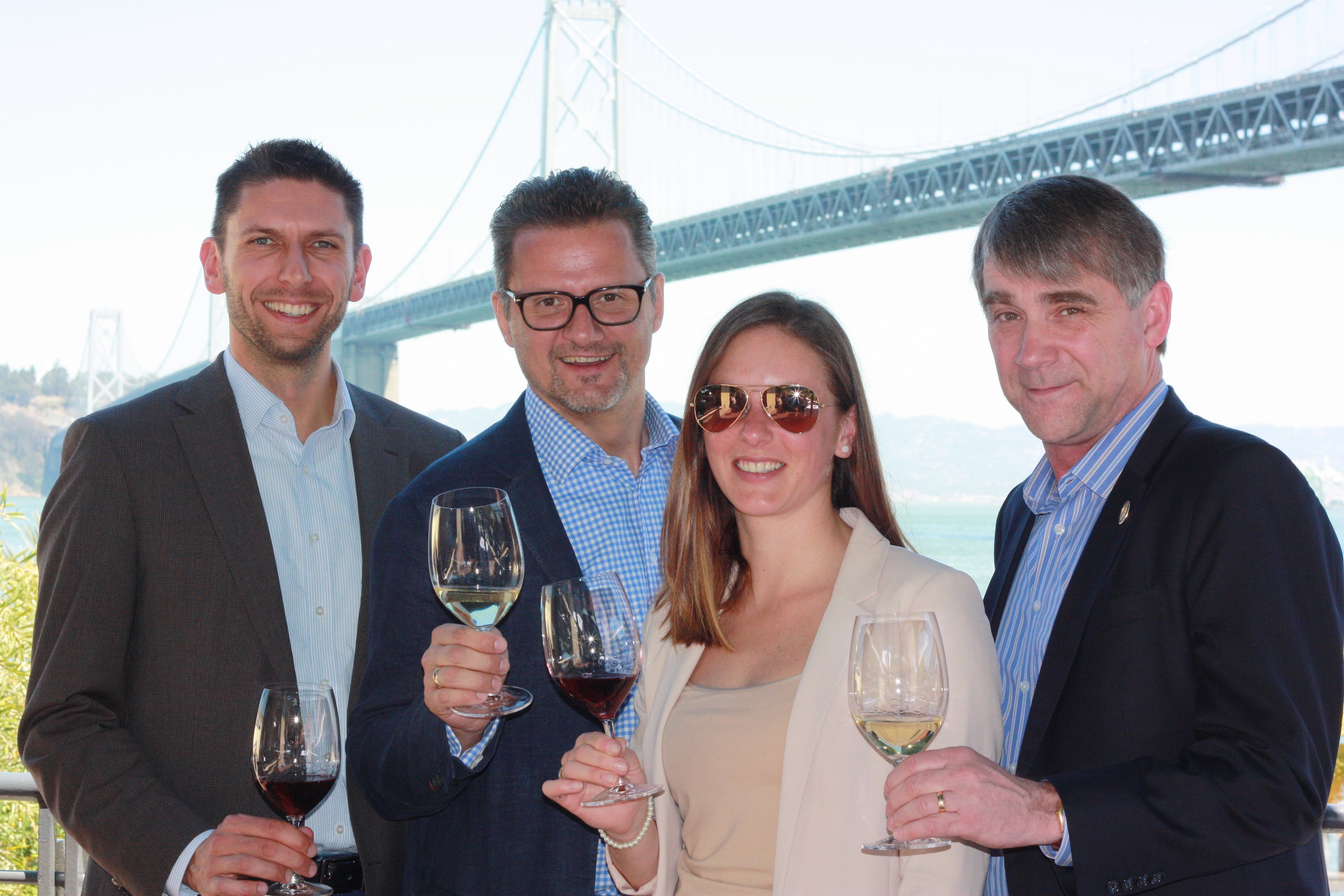
A prima vista [at first sight] is an Italian saying that typically applies to love, or—in our case—a first encounter with an Italian wine and its maker. A trio of producers from Italy’s pristine Alto Adige region—Tobias Zingerle, Martin Hoffstätter and Ines Giovanett—were in town for a masterclass led by Tim Gaiser, MS at Epic Roasthouse. “Alto Adige is a four-dimensional region,” said Gaiser, who shed some light on the Adige Valley’s diverse terroirs—white volcanic pryazinic soils of the northeast, glacial soils or scree around Bolzano, calcareous clay of the cooler southeastern slopes and the crystalized porphyry rock found at Cantina Terlano. Each producer addressed a flight of four like-variety wines that included current and older vintages: Zingerle, his own Kaltern Caldero Pinot Biancos and those of Cantina Terlano; Hoffstätter, his Gewürztraminer and those of Tramin; Giovanett’s Girlan Pinot Noir and examples from Castelfelder. Intensity, minerality and purity are hallmarks for these wines, with oak playing a secondary role. Gaiser remarked on the diversity of Pinot Noir styles as ranging from Volnay to Central Otago. …

San Francisco has long been a destination for travelers. Some, like Miljenko “Mike” Grgich, arrive and spend a lifetime realizing their dreams, while others cross the globe for the purpose of sharing their dreams. Croatian-born Mike Ggrich made his way west in 1958 and set the wheels of his destiny in motion when he began making wine at Souverain Cellars. Mike’s legacy is a familiar one, and now, at age 91, the man whose hands made the Chardonnay that helped put California on the map when it won the Paris Tasting in 1976, is a bona fide and well-deserved bon vivant. At a recent retrospective tasting hosted in the newly-renovated Ranch House at his Napa estate, Mike, his nephew and winemaker for Grgich Hills Ivo Jeramaz and daughter Violet seemed as much a part of the terroir as the wines themselves. Together they presented a vertical of Grgich Hills Yountville Selection Cabernet Sauvignon 1991, 1994, 1997, 2004, 2007 and the just-released 2010 for almost 20 years of perspective on the vineyard. Grgich Hills Yountville Selection …

Lodi has long been synonymous with Zinfandel. The region which is defined by seven sub-regions produces 40 percent of the state’s crop. Vineyards of old and downright ancient vines have survived due largely to sandy, Phylloxera-free soils and the popularity of white Zinfandel. As a mono-varietal red, Zinfandel’s exuberant character has made it a favorite among consumers and fueled Lodi’s focus on the production of world-class wines. As early as 2003, when there were 50 wineries in the AVA, the Lodi Winegrape Commission began evaluating wines submitted by producers as part of a selected case known as the 12 Zins of Lodi. A decade later and with over 80 bonded to its credit, Lodi Zinfandels are being made in a broader range of weights and styles which makes the prospect of a representative case even more intriguing. Read the article here: Lodi Zinfandel 42014
The dust has settled after a flurry of restaurant openings in San Francisco last fall. Taking stock at the six-month mark, we’ve spotted a few trends in on-premise drinking and dining and not a food truck in sight. Finely-tuned beverage programs and the talents behind them are taking center stage in the reinterpretation and renovation of the City’s dining scene, one that is thriving under the direction of seasoned veterans and newcomers alike. For some, cuisine provides the soaring inspiration behind beverage pairings and, for others, it plays a solid supporting role that lets a list shine without pretension. Read the article here: Bay Laurels

A rising tide lifts all boats is an aphorism that neatly applies to the winegrow- ing economy of Provence. The red and white wines—from region whose identity has been associated with pink wine since it was settled by the Phoenicians in 600 BCE—are riding to shore on a growing wave of Provençal rosé. According to the Conseil Interprofessionnel des Vins de Provence (CIVP), 2014 marks the 11th consecutive year of double-digit market growth for rosé in the U.S. and retail sales of premium rosé wines—now averaging about $17 a bottle—have jumped by 53% in value. Read the entire article here: A Rising Tide
For the maker, wine requires patience; it seems to mark time at a different pace than much of the world around it. Imagine a chef who had 30 tries in as many years to master a recipe or a musician who plays one performance a year for three decades to master a symphony. For the casual consumer, however, wine is, more often than not, immediate gratification. Read the article here: An Oakville Retrospective
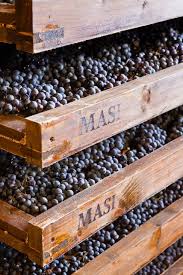
When applied to wine grapes and to beef, the artisanal process of drying to concentrate and increase the complexity of flavors produces a savory, umami-driven experience. While there’s no mystery behind the affinity between red wine and beef, Amarone producer Masi teamed up with local purveyor Flannery Beef for a tasting that elevated this classic to new heights. Staged at San Francisco restaurant Perbacco, Umberto Gibin’s long-running destination that serves as a home away from home for visiting Italian wine producers, Masi’s Rafaelle Boscaini and Bryan Flannery shared a few insights about their respective methods of air-curing and then let their extraordinary products do the talking. Boscaini poured a bold Masianco 2013 Pinot Grigio to accompany a seasonal composed salad and followed with two Amarone—a 2008 Riserva di Costasera and 2007 Moncenisio, a Molinara-dominant wine that ages in cherry—served with Flannery’s unique cuts of 20-day and 40-day dry-aged beef. The pairings were masterful in that they were utterly complete; the 2007 was better suited to the longer-aged rib cap, a cut formed from the outer part of the …
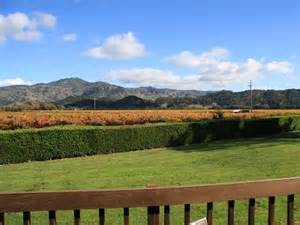
“We’re in pop-up mode,” said vintner Christi Coors Ficeli who purchased Goosecross Cellars in 2013 and broke ground on a winery expansion in November 2014. Closing the tasting room during construction wasn’t an option for Coors Ficeli, whose fiercely loyal club members are content to taste her current releases in a single-wide trailer with a view of the construction. “We’re engaging our club members in the next chapter of our winery’s story,” says Coors Ficeli.“When completed, the new winery will have a large patio area devoted to outdoor seating so we can take full advantage of our west-facing view of the Mayacamas.” Read the entire article here: Sprucing Up The Goose
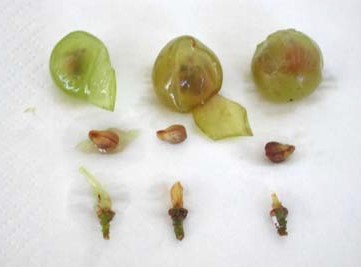
If everyone on your winegrowing and winemaking teams shares a common language, there’s less risk involved when it comes to making crucial decisions. Few would argue that the most crucial decision a winemaker faces is when to pick. Beyond establishing intentions for the style and quality of the finished wine, making confident, proactive picking decisions relies on accurately assessing levels of ripeness. This acquired skill is on that vineyard managers and winemakers typically master through trial and error as they learn to speak the same language when describing degrees of fruit maturity and other sough-after qualities. Using the analytical method of Berry Sensory Analysis (BSA), a technique to describe the characteristics of grape maturity developed by Jacques Rousseau at the Institut Cooperatif du Vin in Montpellier, France, and introduced in Northern California by Enartis Vinquiry in 2006, winemakers can c onfidently assess fruit quality for specific wine styles and, in turn, gain more control over harvest timing decisions and production methods. Read the entire article here: Berry Sensory Analysis

A Cornell University study suggests that including sensory descriptors on tasting sheets can reduce sales in the tasting room. Contrary to popular belief – and the results of previous wine and food studies – including sensory descriptors in tasting room collateral materials may not increase wine sales. Spurred by the lack of research available about the effect sensory descriptors have on consumer choice when used in conjunction with product samples, researchers at Cornell University looked to winery tasting rooms in New York for answers. According to Miguel I. Gómez, the Ruth and William Morgan Assistant Professor at Cornell’s Dyson School of Applied Economics and Management, who conducted the study in conjunction with graduate student Marin Shapiro, “The study has raised the issue with tasting room managers that certain kinds of information may work better than others.” Gómez has presented the work before industry and business audiences on the East Coast and noted that tasting room managers there have begun experimenting with their tasting notes to see what effect those modifications have on sales. The study, …
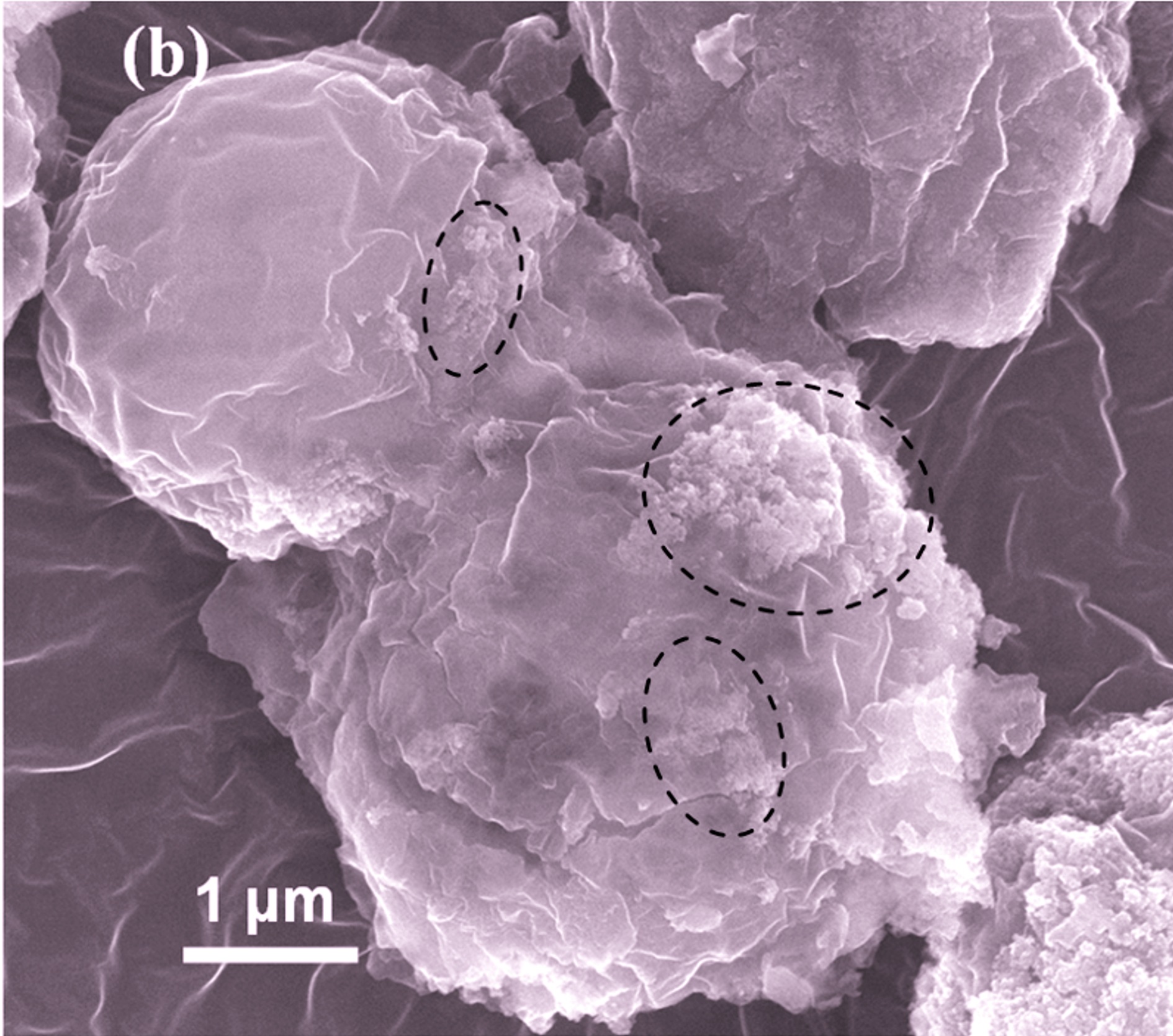
New technique promises to speed sparkling wine production. There’s no mistaking a gyropalette at work, its top-heavy robotic arm twirling a wire palette of bottles like a baton. But you’ll need a scanning electron microscope to see the iron nanoparticles that have the potential to make it obsolete. The early adoption of the robotic gyropalette by Cava producer Cordoniu in the mid-1970s was a milestone that altered the course of the modern sparkling wine industry. Mechanized riddling reduced the amount of time required to move spent yeasts cells into the neck of a bottle from two months to a matter of days, all without any adverse effects on the sensory qualities of the wine. The wholesale adoption of mechanization by traditional-method sparkling wine producers and many Champenoise dramatically reduced the production costs and time to market imposed by the labor-intensive technique of hand-riddling bottles. As such, bottle-aged sparkling wine became a viable and affordable alternative to still wine. Almost despite technology, this time-honored method remains very close to its original form. Beyond the gyropalette and …
Story and photos by Deborah Parker Wong

Consumer acceptance of wine packaging other than glass is growing, but fine glassware remains the undisputed tool of choice for presenting, evaluating and fully appreciating wine. While both crystal and glass stemware share space on winery tasting bars, the move by wineries to upscale glassware frequently coincides with the addition of luxury tasting experiences designed to showcase top-tier wines. “We’ re seeing wineries choosing the best,” said Sylvie Laly, director of U.S. winery sales for Riedel, Spiegelau and Nachtmann. “When a winery using our non-varietal specific Riedel glass trades up to the varietal-specific series, tasting room managers can see that their consumers’ experience is being significantly enhanced, and that translates directly to increased sales for the winery.” For Riedel customers, that choice means a baseline increase in cost by about 30%. From the entrylevel Degustazione series, nonvarietal- specific glasses designed for basic wine styles, a 19.75 ounce red wine glass runs $2.99 per stem whereas a varietal-specific 21.5 ounce cabernet/merlot glass from Riedel’s Restaurant series runs $5.95 per stem. Read the full article Tools of …

Many Anderson Valley Pinot Noir producers time the commercial release of their wines around the annual Pinot Noir Festival and technical seminar, now in its sixteenth year. This year’s event took place in May, and some 40 producers poured their wines at Goldeneye Winery in Philo. As vintages go, 2010 and 2011 challenged producers in more ways than one. Yields were down in 2010 by as much as 30 percent due to a blast of heat in August. Fruit that wasn’t scorched that year ripened, but not overly, resulting in wines with good acidity and flavors. A wet 2011 had many producers scrambling to pick before October rains intensified pressure from botrytis. While Anderson Valley Pinot Noirs can be roughly sorted as one of two broadly-defined wine styles we’ll call “fragrant and sleek” and “bold and deep,” the string of cooler La Niña vintages that started in 2009 and continued through 2011 has closed the gap somewhat on that divide. With more generous vintages such as 2012 and 2013, which is shaping as warm and …
We’re kicking up the dust once again with the 2010 vintage presented by the Rutherford Dust Society at a blind tasting held at Beaulieu Vineyards’ Rutherford House in July. According to President Davie Piña, the Society is in the last stages of their watershed restoration project which has lessened erosion and reduced disease pressure along the 4.5 miles of riverbank that bisect the AVA. “Rutherford growers have given up eight acres of vineyard to restore the river,” said Piña who was met with a round of much-deserved applause for his pivotal role in managing the project. Across the 18 red wines shown that morning, vintage events in 2010 including cool, grey La Niña conditions punctuated by a severe heat spike and untimely rain during harvest produced a narrower range of styles. The tasting was organized moving clockwise around the AVA from west to east and conditions at Rutherford House were ideal with the wines being given time to aerate prior to the tasting. Read the full article at Rutherford Dust 2010.
It’s alive! Unlike its Left Bank counterpart, the Saint Émilion classification is indeed a living thing. The promotion of 17 châteaux not previously classified to the status of Grands Crus Classés in 2012 made this year’s tasting of 33 (of the 63 classified) all the more interesting. Having tasted the 2009s during visits to several of these estates prior to their promotion, focus was squarely on the 2010s during the San Francisco tasting held at Terra Gallery in early November. It’s fascinating to witness change, and the châteaux, which were on an upward trajectory in 2009 for the most part, didn’t disappoint. Read the full article here at Grands Crus Classés of Saint Émilion.

Early responses to the California Farm Bureau Federation’s 2013 agricultural workforce survey point to labor shortages in excess of 30% and far more unmet demand for labor than in previous years. With the 2013 wine grape harvest beginning two weeks earlier than normal in California, at a time when the table grape harvest is peaking and berry crops are still in full swing, labor shortages were undeniable. According to Nat DiBuduo, president of Allied Grape Growers in Fresno, competition for seasonal employees is stiff as workers follow the highest-paying jobs. He cited instances of strawberry growers hiring vineyard workers, only to have raspberry growers step in and offer those workers higher wages. From all accounts, the money follows the most perishable crops. “There’s no question that wages are escalating and growers are stretching out the timing of their harvests,” DiBuduo said. “They are not getting as much fruiton the market as fast as they would like.” Fifth-generation Lodi grower Kyle Lerner was pressing chardonnay when he gave Vineyard & Winery Management an account of the …

A virtual tidal wave of data is fueling the race toward accurately predicting consumer preferences and buying behavior. With intelligent computer systems now gathering information in real time, businesses of all sizes are experiencing a sea change in the way they and their customers use technology. Until very recently, we looked to the past and relied on historical data to identify current trends and to predict consumer behavior. But now we’re looking forward. Information technology has spun us around 180 degrees and given us the ability to use data to extrapolate and make predictions. With a new generation of applications being developed to predict consumer preferences and wine-buying behavior, companies of all sizes are clearly pursuing the promise of big data. “Predication is the nut that everyone is trying to crack,” said data scientist Michael J. Tompkins, cofounder and chief science officer for Houston-based startup VineSleuth. For Tompkins, whose typical project may involve millions of unknowns, wine has its own unique set of challenges. “It’s not as if we have the answer yet,” he said. …

On the first day of spring in the Southern Hemisphere, a cold, dry Zonda or rain shadow wind swept down the eastern slopes of the Andes and dropped a blanket of snow over the vineyards of Mendoza, Argentina. “It’s a beautiful sight but devastating to budding vines and fruit trees when followed by a frost,” said Andrés Rosberg, President of the Association of Argentine Sommeliers. Early-budding Chardonnay (and the stone fruit trees) in the Valle de Uco and San Rafael suffered this vintage, but frost and hail storms are the exceptions in Mendoza, where wine-growing conditions are considered less than extreme. Argentina’s most rigorous wine-growing conditions are found at the country’s extremes: from remote 10,000-foot sites in Salta to the north and the cold, arid steppes of Patagonia to the south. But the country’s wine culture traces its roots to more hospitable sites. Vines first arrived in the northern province of Santiago del Estero and were brought from Chile to the San Juan and Mendoza regions in the mid-16th century. The arrival of European immigrants …

Dirt. It’s the first thing that comes to mind when I think about the influence of terroir and its contribution to the flavor in wine is one of the most controversial and debated topics among wine enthusiasts. I created this crossword puzzle to help my WSET Level 3 students study soil types in a creative way. Even if you’re not a student of wine you’ve probably already encountered many of the soils I’ve included here. So, put on your geological thinking cap and have at it with these clues Soil Survey Clues. You’ll can find the answers here. Soil Survey Answer Key

Wine quality has been on the rise in Lake County and winegrowers there have their sights set determinedly on the future—and it’s a very bright one at that. Driven by increased demand for high-quality Cabernet Sauvignon, Zinfandel, Petite Sirah and Sauvignon Blanc, the value of the region’s wine grapes climbed by 20 percent in 2012, reaching a ten-year high, while yields inched up by just three percent. Here at THE TASTING PANEl, we’ve been following winegrowing in Lake County closely for the last five years. When questions arose about the age ability of the region’s wines, we were quick to take up the challenge. More often than not, exposure to Lake County wines is limited to the supporting role they play in blends from nearby appellations. When this point was raised during a technical seminar hosted in June at MacMurray Ranch by the appellation’s winegrowers, Steele Wines’ Joy Merrilees had answers at the ready but no proof positive that the region’s high-elevation wines can withstand the test of time. Read the complete article here…Long-lived Lake …
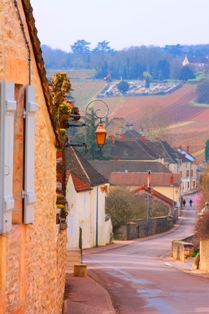
Visually, Burgundy isn’t a particularly mysterious place; the low-growing Pinot Noir and Chardonnay vines hunker over the earth in their search for heat. From a vantage point to the east of Chablis, you can survey the gentle landscape and precious grand cru sites in a sweeping glance but, the wines themselves continue to remain a mystery—one that we ponder with each passing vintage. During the week-long parade of trade tastings known fittingly as Les Grands Jours, it seemed as if no stone has been left unturned by importers in their efforts to demystify the wines. Tastings that began in Chablis and stretched to the far reaches of the Mâconnais revealed that, while importers have been astute in seeking out quality, there are new discoveries to be made in Burgundy. Primarily in the form of young producers who have branched out, after years of mentoring, to start their own labels and less-visible sub-regions whose wine quality is pushing forward by leaps and bounds. At this bi-annual celebration, Burgundy’s grand cru vineyards sustain the most scrutiny, and …
If you’re a regular at the annual Family Winemakers of California tasting being held on September 9th from 3:00 to 6:00 PM at the Fort Mason Festival Pavilion then you probably have a game plan for navigating a tasting of this size. If you’re new to the game or if you’re a bit overwhelmed just by the idea, take heart, help is on the way. I spend a big chunk of my time attending wine tastings. Each year I taste about 5,000 different producers from every winegrowing region in the world. Here in California, I not only spend time visiting wineries, I jury several regional wine competitions which helps familiarize me with smaller producers including many of those pouring at Family Winemakers whom only sell their wine directly to consumers. Like any good quarterback, I always have a game plan lined up before heading out onto the field. I invite you to piggyback on my research and use this list as a guideline to some not-to-be-missed wines by California’s best and brightest. The real beauty …

Large or small, via négociant or sold direct, Right Bank producers continue to make quality a priority. With the purchase and renovation of Château Belair-Monnage in 2008, Ets Jean-Pierre Moueix’s holdings now stand at 11 estates concentrated in northern Pomerol and the southeastern corner of Saint-Émilion. A 2010 barrel sample showed complex, spicy tannins and more concentrated black fruit than in previous vintages. Read full article at…St_Emilion

Deborah Parker Wong, AIWS presents four to six wines from the DO Ribera del Duero in a free tasting designed to engage and educate wine enthusiasts at every level. Home to the famous Vega Sicilia and Tinto Pesquera bodegas, the Ribera del Duero appellation occupies a rocky plain midway between Madrid and the northern coast of Spain. Tempranillo dominates the arid vineyards of the Ribera del Duero, representing 95% of all wine production, but other grapes such as grenache, cabernet sauvignon, and malbec also play a vital role in the region’s winemaking production. While steeped in a rich and illustrious history, the Ribera del Duero is a relatively young D.O. with just as many internationally acclaimed producers as hidden, off-the-radar gems. Great wine can be had for almost any price and the quality here remains consistently high across the board from this “river bank of the Duero.” The 2012 consumer campaign includes wines from the following producers. Wines are provided based on availability. 2009 Monteabellon “Avaniel” 2009 Creta 2009 Vina Sastre 2008 Finca Villacreces “Pruno” 2008 Aalto 2008 Emilio Moro “Malleolus” 2010 …

It can be said that each wine region of France has a personality, one dictated as much by the winegrowers themselves as it is by geography, history and grape varieties. To the southwest of Paris lies the Loire Valley, comprising four distinct regions running westward with the fl ow of the Loire River; most of the winegrowing here occurs within sight of its banks or those of its many tributaries. The Loire is by nature a languid river; it meanders through countryside dotted with Renaissance palaces and châteaux as it makes its way towards the Atlantic Ocean. From this terminus, the river’s estuary in the Nantais region, a journey up the river begins. Complete article here…Loire_Valley

The AOC winegrowers of the Languedoc are an eclectic group: genteel local families, pioneers from France’s most prestigious wine regions and European ex-pats, all of whom express a similar goal: to make wines that convey the spirit of their distinct growing regions from the varieties best suited to them. More than ever before, quality is now the factor that distinguishes Languedoc’s AOC-level wines. Though each Languedoc sub-appellation has unique terroir, the region overall benefits from maritime influence, hot summers, drying winds and mild winters that create some of the most consistent vintages in all of France. AOC producers emphasize lower yields, sustainable practices and hygienic winemaking as means to showcase the quality of their fruit and finished wines. Complete article here…The Language of the Languedoc
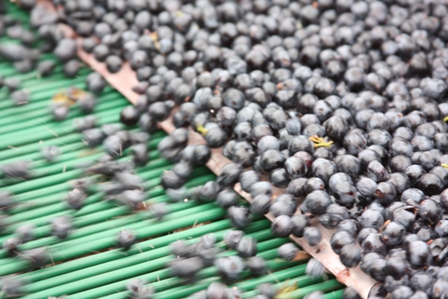
For a host of reasons, including the simple truth that sorting is a winemaker’s last opportunity to improve quality, optical sorters are giving producers of all sizes more control over the timing and speed at which harvest occurs. With optical grape sorting technology at work in many of the world’s leading wine-producing regions, mechanization is beginning to take on a new meaning – one that is more aligned with quality gains than with the cost-saving measures historically associated with mechanical harvesting. Although optics are one of the newest processing technologies for wine grapes, there is already plenty of anecdotal and empirical data available which demonstrates that, for many producers, optical sorting is a faster, more efficient and potentially less costly alternative to hand sorting. Optical sorting technology itself is far from being new. It was used by the food processing industry for more than 30 years before it was adapted and widely marketed for wine grapes in 2008. Over the last several years, field trials conducted in France, Italy, Argentina, Chile and California by several …
California grapegrowers are continuing to take on the role of vintner at what seems to be a steady pace. The number of bonded wineries in California has grown by 6% annually for the last two consecutive years and is being sustained in part by growers who seek to add value to their operations. With tighter market conditions for grape contracts over the last several years, growers statewide have responded by turning their unsold fruit into bulk wine. Find complete story at Growers Turned Vintners
The Quality Threshold The world’s most prolific wine growing regions produce a considerable amount of what can be deemed to be “value wine” for the on-premise sector. However their greatest assets are often found in wines that trade on more than price alone. Sicily—which has historically been one of Italy’s most prolific wine-growing regions—and La Mancha, which occupies the very heart of Spain, are two regions that warrant a closer look for both their abilities to produce wines of quantity and for their recent gains in quality.

Beyond what a beverage director personally determines to be quality, there are few remaining tangible ways to determine the value of wine. Finding the sweet spot-where quality and price are aligned-continues to be a priority for operators who strive to create value in wine programs both by the glass and the bottle. While unfamiliarity can often present the biggest challenge to marketing wines that deliver the best quality for value, food and beverage directors and sommeliers are constantly in search of Old and New World wine values for their programs. Complete article here…The New Regional Wine Values