All posts tagged: Deborah Parker Wong

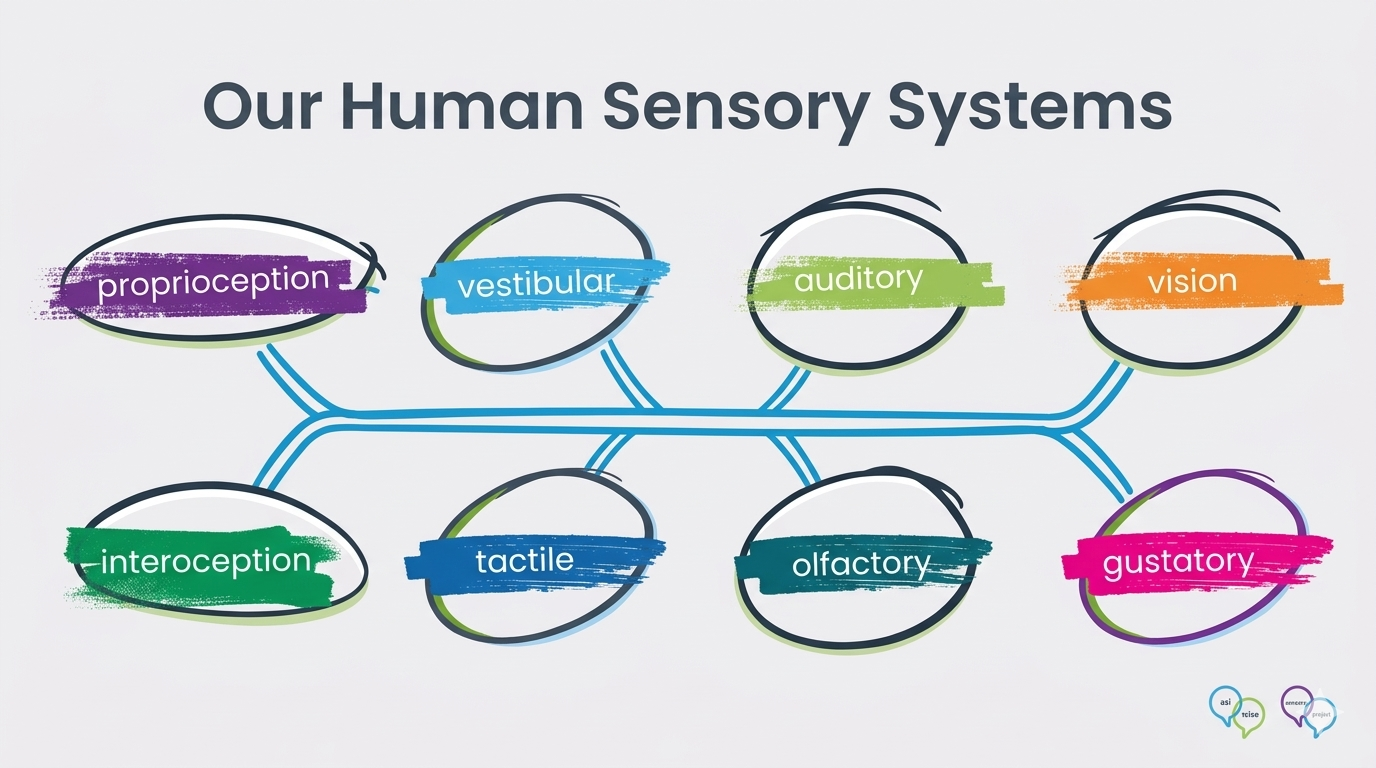
Diagram of human sensory systems.

Senses Perform Better Holistically, Not in Isolation

Professionals who consider detecting and identifying aromas part of their stock in trade would be far more confident about their abilities if they had a better understanding of how the senses work together to interpret aromas.

Justin Chin, general manager and wine director at The Happy Crane.

Justin Chin Taking Flight at The Happy Crane

San Francisco native Justin Chin possesses an almost stubborn optimism
about the future of hospitality. As general manager and wine director of The Happy Crane in his hometown’s Hayes Valley neighborhood, he’s quietly shaping one of the city’s most innovative dining experiences.

Women suffering from a wine headache.

Conquer wine headaches

Thanks to new research about quercetin, the list of culprits in wine falls into three primary categories: tannins, biogenic amines (BAs), and alcohol.

Olfaction improves with sight.

Olfaction is Better When Paired with Sight

Humans may use their sense of sight more,
but through smell, we can determine such things as the quality and consistency of foods and beverages.

Fleur Geffrier, Antoine Chappey and Tomohisa Yamashita in "Drops of God," now streaming on Apple TV.

25 Wines Spied in “Drops of God” Second Season

French wines takes center stage in season two.

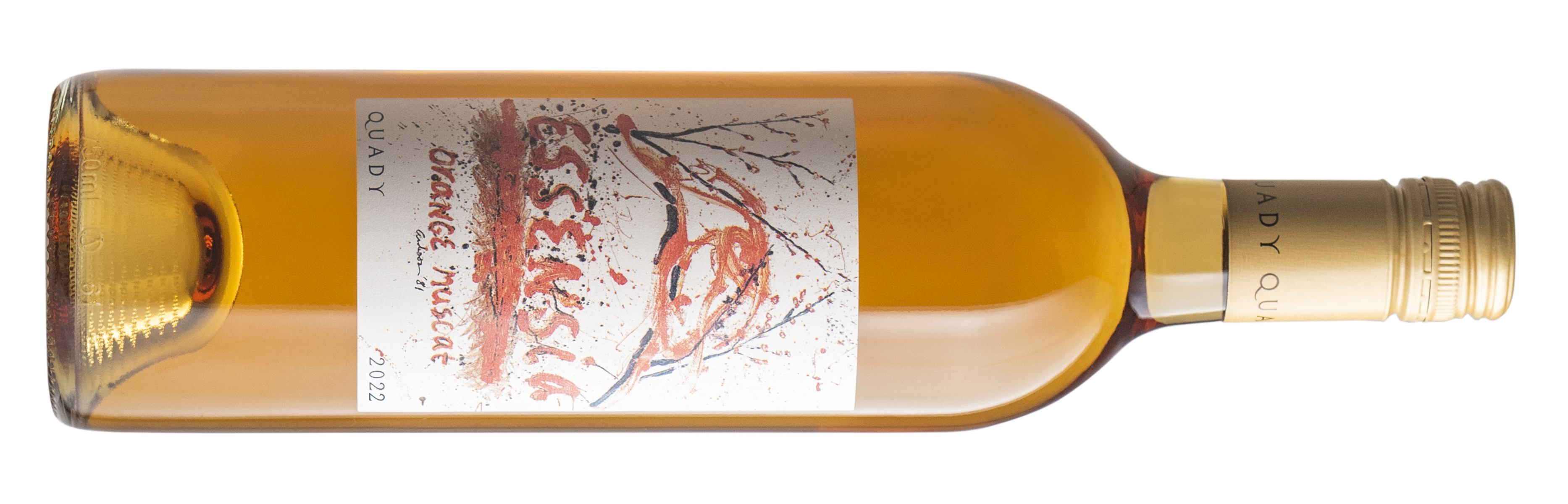
Quady Essencia is a Gen Z favorite.

Gen Z Wine Likers Inspire Hope

Calls for optimism are the theme of new year missives from wine industry colleagues near and far. One in particular came from a Northern California winemaker who is puzzling over the lack of adoption by Gen Z consumers, an increasingly fragmented and dispirite domestic market and included a request for insights that might inspire hope.

people drinking wine

Makers of historic sweet wines rejoice. Gen Z adores you.

The message my students are sending to the makers of the world’s historic sweet wines amounts to a love letter. My passion for these historic wines can only be described as a love affair.

Benjamen Montpetit is the Marvin Sands Endowed Chair in the Department of Viticulture and Enology at the University of California, Davis.

Meet UC Davis Yeast Biologist Benjamen Montpetit

The University of California, Davis, has a long history of groundbreaking research that has significantly impacted the global wine industry. Standing on the shoulders of giants With the retirement of several key academics whose research in the areas of grapevine genetics, fermentation science, and sensory science has played a crucial role in the development and advancement of the modern American wine industry, the Department of Viticulture and Enology now has new leadership. In January 2024, Benjamen Montpetit began his tenure as the Marvin Sands Endowed Chair in the department, succeeding David Block, who spent nearly 13 years in the role. Montpetit’s journey Montpetit’s journey from studying biochemistry to assuming leadership of the world’s top wine-science depart­ment was a natural progression. After earning a Ph.D. from the University of British Columbia, he made his way to the University of California, Berkeley, for postdoctoral research in gene expression regulation using yeast species Saccharomyces cerevisiae. As a self-described foodie, Montpetit had already formed a deep personal connection to Vancouver’s multicultural restaurant scene, but it was a memo­rable glass …

Stages of aphantasia, left to right aphantasia, hypophantasia, hyperphantasia.

Aphantasia, revealing the Blind Mind’s Eye

Anywhere from 1% to 4% of the population is affected by aphantasia, meaning their mind’s eye is effectively blind.

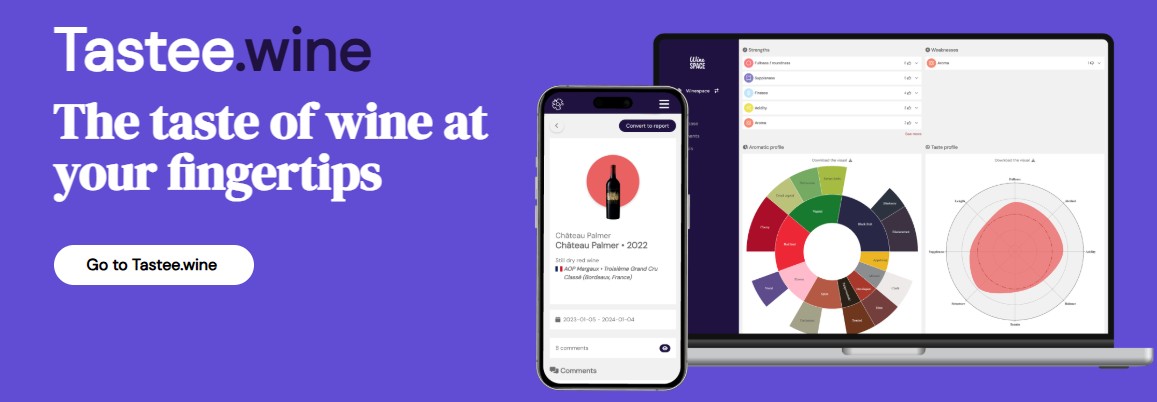
Tastee.wine banner

New Metrics for Wine Competition Medals

In 2021, The prestigious Concours Mondial de Bruxelles (CMB) wine competition began using artificial intelligence (AI) developed by Winespace, a Bordeaux-based firm founded by Sylvain Thibaud and Julian Laithier in 2015, as part of its judging protocol as a valueadded feedback mechanism for producers.

Image (a) depicts bubbles ascending in a laser-etched glass containing 100 milliliters of Champagne; (b) shows a network of convective cells revealed through 3D computational fluid dynamics modeling; and (c) shows the corresponding velocity field along the axis of symmetry of the glass.

The Science of Bubbles

Bubbles are the hallmark of all sparkling wines, and they play a significant role in the cachet that surrounds this category. Even the terms “bubbles,” “mousse,” and “Champagne” elicit a pleasurable response in expert and novice consumers alike.

Learning style

Dismantling the Intimidation of Learning

For years, I thought there was a secret club of “math people.” They just got it, as if the ability to comprehend complex formulas came baked into their DNA. The textbooks seemed pretty impenetrable, especially for higher-level math and statistics.

North Adriatic, a guide to the region by Paul Balke

North Adriatic Producer Guide

A guide to the producers of the North Adriatic region.

The Vanilla Bias

According to neuroscientist Camilla Arndal Andersen, how consumers describe the taste of food can be misleading largely due to inherent biases. Among the most problematic is the “courtesy bias,” which comes into play when people respond with what they see as a socially acceptable opinion that doesn’t accurately reflect how they feel. There’s also the “bias blind spot,” in which we think we’re less biased than others. In short, we’re biased about our biases.

Pelletti Vineyard, Laguna Ridge, Sonoma.

Russian River Valley’s Laguna Ridge Neighborhood

Fog over the Pelletti Vineyard in Laguna Hills, Russian River Valley.

Sauvignon Selection by CMB 2024.

Wine Competitions Adopt AI Metrics for Transparent Results

New metrics shed light on scores and medals in wine competitions

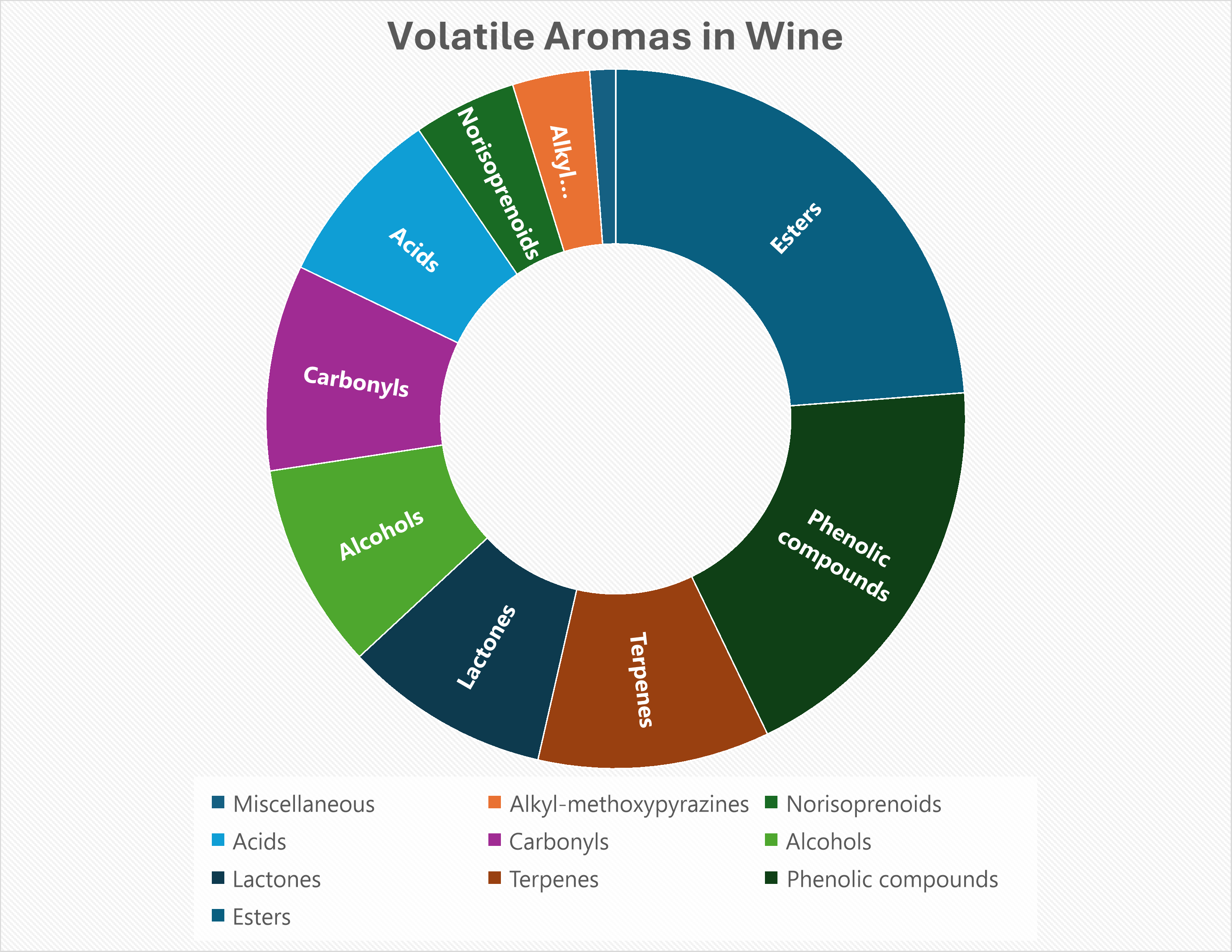
Chart showing the ten categories of volatile compounds in wine.

Hidden compounds: the secret to aromatic complexity

Of the more than 1,000 com­pounds that make up wine’s aromatic profile, desirable aromas are repre­sented by a combination of 82 differ­ent volatile compounds, only some of which are detectable when present above threshold.

Chianti Classico bottles

Chianti Classico Offers Free Online Education

If studying Chianti Classico has not made your list of New Year’s resolutions, the Consorzi Vini e Olio Classico has just handed you an incentive; a free, online training program – Mooc Chianti Classico.

Wine cellar at PRESS restaurant in St. Helena, CA.

Napa Valley’s Vincent Morrow Looks to Tomorrow

Morrow, who received MICHELIN’s California Sommelier Award in 2022, oversees the wine cellar at PRESS, which houses the largest collection of Napa Valley wines in the world and is focused on library wines. When adding a new bottling to the list, he looks for winemakers who have worked their way up at acclaimed producers and then started their own labels.

Multisensory wine marketing expands the consumer experience

There’s no question the pandemic has amplified the influence of the experience economy, which gives businesses a potentially lucrative channel for success in an unpredictable market while enhancing their level of direct engagement with consumers.

AI puts podcasters in jeopardy

AI-generated podcast summarizes four recent articles With advances in artificial intelligence (AI) making huge strides, podcasters look to be on the endangered species list. NotebookLM has cranked out a realistic – if not completely accurate – ten-minute discussion of four of my recent wine related articles exploring Champagne production techniques, accountable sustainability, lower-alcohol Cabernet Sauvignon, and novice wine education. It was fascinating to see how the algorithem selected four topics from my archive, sussed out the key points of each article, and wove them together into a podcast that I found no more or less compelling than many I have listened to. For the record, I don’t find podcasts a particularly good use of my listening time. While there are exceptions, I prefer reading to listening to other people audbily processing content. That said, I encourage you read these brief articles – Rare perpetual reserve a hallmark at Champagne Palmer Solera wines are the secret sauce in Champagne producer’s blending process. In a tribute to the rare practice of aging reserve wines via the solera …

Champagne Palmer has sourced from the same Premier Cru and Grand Cru vineyards in the Montagne de Reims region of Champagne for 50 years.

Rare perpetural reserve a hallmark at Champagne Palmer

Beyond the soleras and the envi­able Montagne de Reims terroir, the wines of Champagne Palmer’s Vintage Collection reveal a third strength: The cooperative of seven producers has not altered its vineyard sourcing since its founding in 1947, forming what Vervier calls the “DNA of the brand.”

Blind Tasting with Clos de Los Siete’s Michel Rolland

A group of professional palates recently gathered for dinner at Auro, the one-Michelin-starred restaurant at the Four Seasons Resort and Residences Napa Valley in Calistoga, California, for a tasting hosted by Clos de los Siete founder Michel Rolland and managing director Ramiro Barrios to commemorate the 20th anniversary of the estate, located in Argentina’s Uco Valley.

Sustainability is a priority at Spottswoode. Photo courtesy Spottswoode Winery

Navigating the Sustainability Landscape: Which Certifications Matter?

As the labyrinth of wine industry certifications continues to expand, consumers often find themselves without a compass.

Gigondas’ First White Wines Shine

Gigondas joins Languedoc’s oldest white-wine AOP, Clairette du Languedoc, established in 1948, and Clairette de Bellegarde, a tiny Southern Rhône AOP in the Costières de Nîmes, in showcasing
Clairette, which often serves as the base in Southern Rhône and Languedoc blends.

Giant nose detecting scents.

Making scents of wine aromas

A wine’s scent is one of the best indications of its quality. The hedonic effects of wine are influenced by hundreds of volatile aroma compounds, making it one of the most complex of food and
beverage products.

Bottles of Jordan Winery Cabernet Sauvignon.

Lower-alcohol Cabernet Sauvignon is back in fashion

Interest in lower-acohol wines is growing among consumers putting producers like Jordan back in the limelight. “Our Bordeaux-style Cabernet and Burgundy-style Chardonnay wines . . . range between 12.6% and 13.8% [alcohol], compared to the California average of 14.5%,” says Jordan winemaker Maggie Kruse. “This represents far more than numbers; lower-alcohol wines have a more balanced flavor profile.”

Sarah Vandendriessche on Guiding Environmental Stewardship in Napa Valley

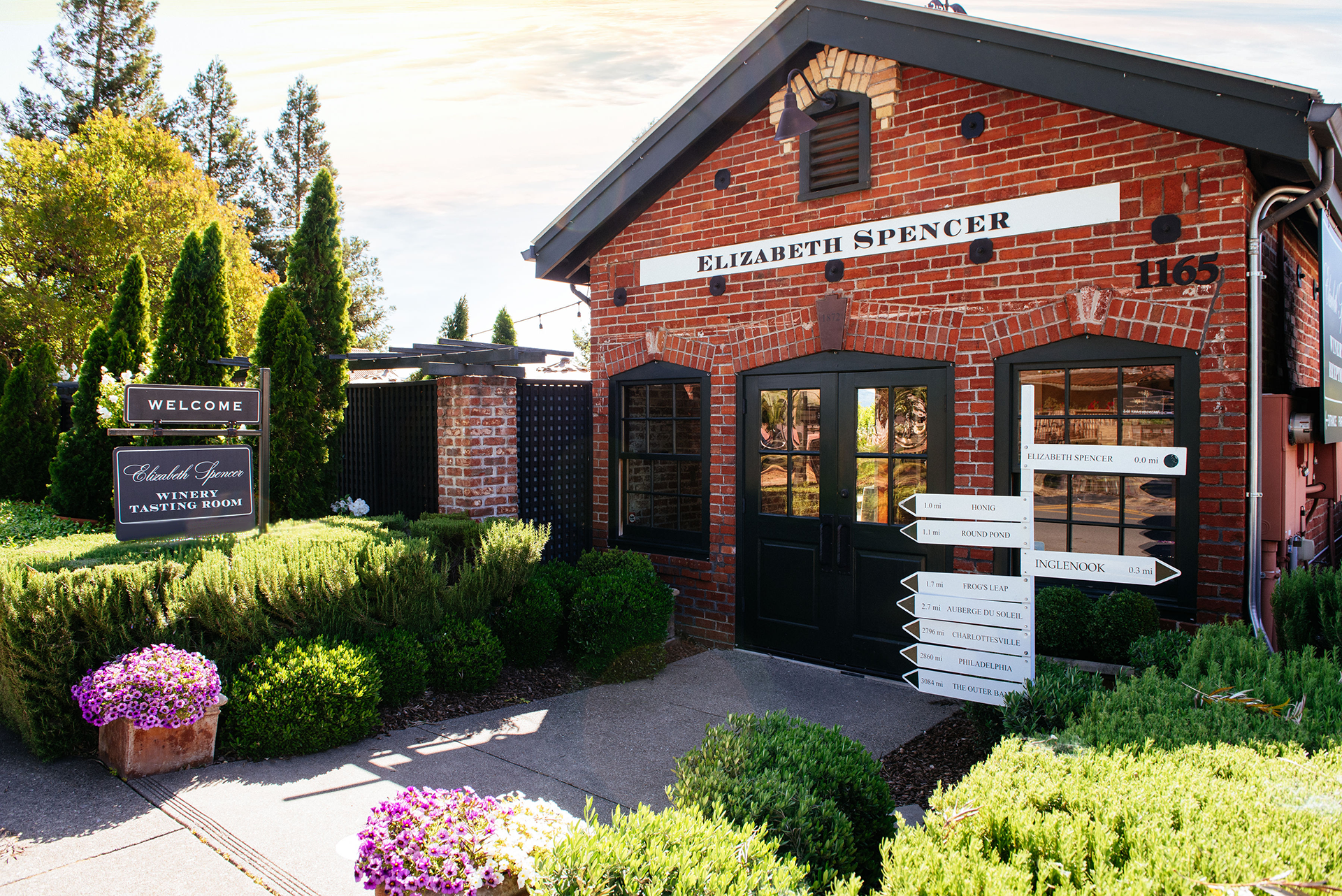
Elizabeth Spencer’s Sarah Vandendriessche guides the Napa Valley Vintners’ environmental stewardship committee.

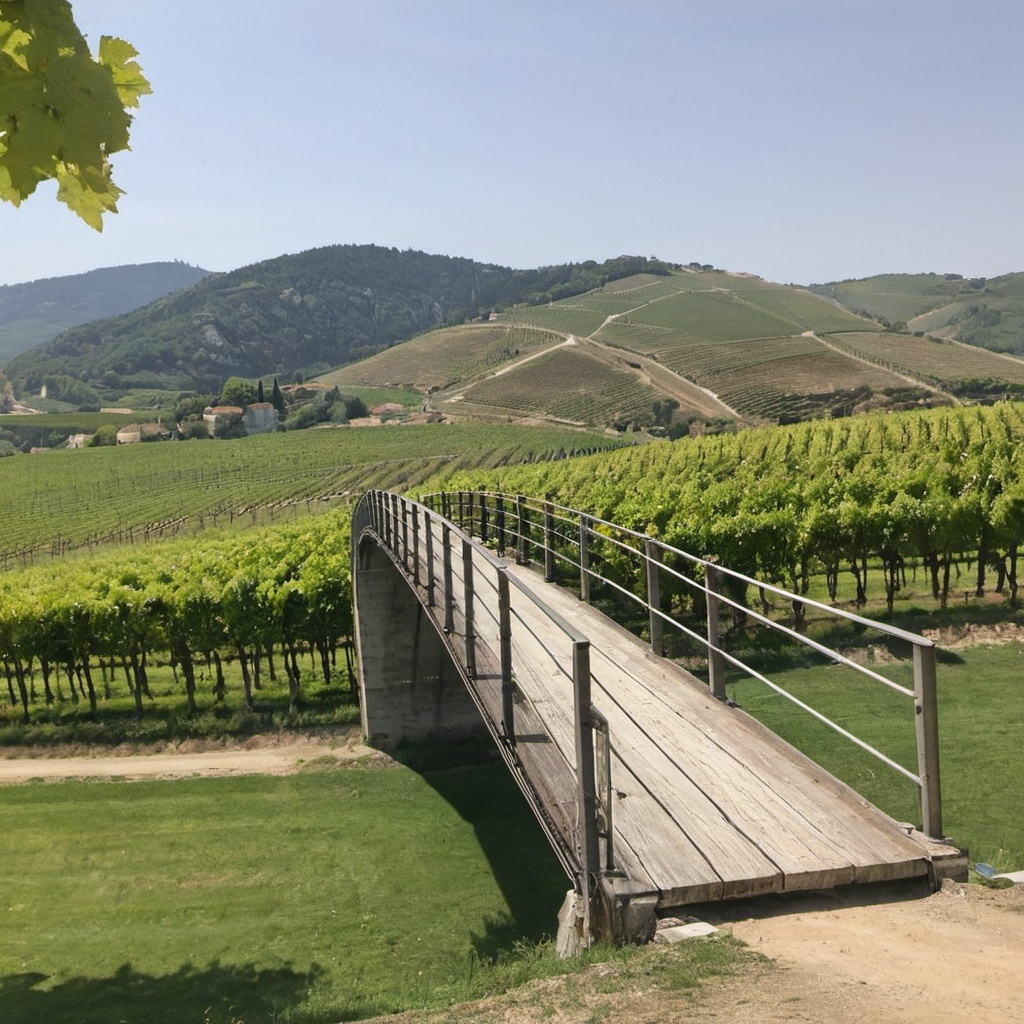
Bridge leading to a vineyard.

Sweet Wine Becomes a Bridge to Dry

Let’s introduce novice wine consumers to the sweet wines of the world first and bridge them to dry styles made from the same grape varieties.

Reproducing Kopke’s 50-year old Tawny Port

With the creation of a new Tawny Port and White Port categories in March 2022, bottles sporting a 50-year age statement on their labels began to make their debut in January 2023. Prior to the new ruling, cask-matured Tawny and White Ports were categorized as ten, 20, 30, or over 40 years of age; at 50 years, the wines were simply categorized as Very Old. Fifty is the average age of the rare wood-aged Ports from several vintages comprising these blends. In the case of Tawny, one key sensory aspect is the absence of aromas and flavors associated with new oak, which it is never aged in. Kopke, the oldest of Portugal’s Port houses, was established in 1638and possesses one of the deepest inventories of aged Tawnies in theDouro Valley. Along with a handful of other producers, including Messias, Sandeman, Taylor, Quinta do Mourão, and Quinta do Vallado, it has now released a 50-year-old bottling. In honor of the launch, Kopke master blender Carla Tiago led a blendingexercise hosted by Skurnik Wines & Spirits at …

Terra Madre Americas food conference to feature Slow Wine USA masterclasses

Visit Sacramento and Slow Food International will host Terra Madre Americas, the American version of the internationally acclaimed Terra Madre Salone del Gusto food conference May 17th – 19th at the Sacramento Convention Center. Programming focuses on three key Slow Food themes – wine, coffee and biocultural territories of Latin America and the Caribbean.  The event is free to the public and brings together wineries, food producers, scientists, cooks, and researchers from the United States and Latin America for educational and interactive experiences for all ages. Additional ticketed event opportunities including Slow Wine USA masterclasses programmed by Slow Wine USA editors Deborah Parker Wong and Pam Strayer with producers from the 2024 Slow Wine USA guide. Saturday, 5/18 1:00 PM – 2:00 PM Slow Wine: Take Your Time, Everyday Wines: Wines Priced $30 and Under, $50 Speakers: Deborah Parker Wong, journalist and Slow Wine USA director, and Pam Strayer, journalist and Slow Wine USA co-director. Little known fact: Lodi and the Sierra Foothills offer affordable, artisanal wines (priced below $30). Explore California wines from lesser-known varieties originally from …

Translating the language of the planet at Fondazione SOStain

Biodiversity equals stability was the key message at Siclia’s second international SOStain symposium.

Wine aromas promote relaxation

Wine aromas are t work when we pour a glass of grassy Sauvignon Blanc and feel a deep sense of relief.

Slow Wine debuts 2024 Guide at Grgich Hills Estate

Last December, a like-minded group of winemakers and winegrowers gathered to share the fruits of the labor and celebrate being part of the Slow Wine USA community to mark the release of the seventh edition of the Slow Wine Guide USA.

Glitchy neurons learn to discern aromas

Due to their reputation as vectors for Brettanomyces and their unwelcome presence when discovered swimming in one’s glass, fruit flies have long been viewed as annoying pests by wine drinkers. But as research subjects, they’re surprisingly beneficial: Their brains are teaching us more about how we humans learn to differentiate aromas.

A Bolly Good Time

In May, Cyril Delarue, a sixth-generation pro- prietor of Champagne Bollinger who oversees the producer’s U.S. interests, celebrated the release of the Bollinger 2008 R.D. Extra Brut ($360) at San Francisco restaurant The Progress. Delarue collaborated with The Progress chef-owner Stewart Brioza in creating a six-course menu that was paired with nine wines ranging in age from the nonvintage Special Cuvée Brut ($150) in magnum to the oldest wine of the evening, the 2002 La Grande Année ($250). The wines were ordered such that the 2002 and 2008 La Grande Année—the cuvée that is selected in superior vintages to become R.D., which stands for “recently disgorged”—were tasted first. The first vintage of the R.D. Extra Brut was made in 1952 and released in 1967; today, it continues to be highly sought after by collectors for its longevity. The 2008 R.D. Extra Brut is a blend of 71% Pinot Noir and 29% Chardonnay from 18 crus and simultaneously shows exuberant freshness and development withtoasty aromas, dried stone fruits, and distinct truffle notes that were mirrored in …

Champagne Piper Heidsieck's Émilien Boutillat

Interview with Champagne Piper Heidsieck’s Émilien Boutillat

I spoke with Émilien Boutillat, chef de cave at Champagne Piper Heidsieck, this week from New York for an update on the maison’s sustainability initiatives and the launch of Essentiel in the U.S. Find the video here. Boutillat took the reins from Régis Camus, who now oversees Rare, in October 2018. He’s a native of Champagne where his father is a grower and has worked in winegrowing regions – including for Peter Michael in Sonoma – around the world. The interview touches on several topics with an emphasis on the company’s sustainability efforts which include being the first Champagne house to achieve B Corp certification (2022) in addition to holding HVE3 (Haut Valeur Environmentale Level 3) and VDC (Viticulture Durable en Champagne) since 2015. As of 2020 they no longer farm using herbicides and are working with their growers to acheive the same level of stewardship. What’s new at Piper Heidsieck Meet Bacchus, the Vitibot, and learn more about Piper Heidsieck’s goals to reduce their and the Champagne AOP’s carbon footprint by reducing bottle weights …

Decoding the Origins of Wine Aromas

Researchers have identified compounds responsible for coconut and dried fruit aromas in red grape must and new wine.

Thresholds for Smoke Taint a moving target

California State University Fresno’s Dr. Miguel Pedroza talks with Matthew Malcom from California Ag Network about his smoke taint research. Pedroza is my graduate advisor and the principle investigator for the study which is the basis of my thesis.

Stem Compounds Help Reduce Alcohol and Boost Freshness

There’s more to wine grape stems than tannin. The discovery of new stem compounds has prompted researchers at the Laboratoire Excell biochemistry lab in Bordeaux to re-evaluate the benefits of including stems during this crucial stage of production.

Carpe vinum vitrum

No matter one’s knowledge of wine, there is simply no substitute for tasting. For those of us who keep an eye on the world’s ever-evolving wine regions, that means seizing an opportunity to taste as well as to meet the makers.

New World and Old World Heritage

Around the World with Alberto Antonini

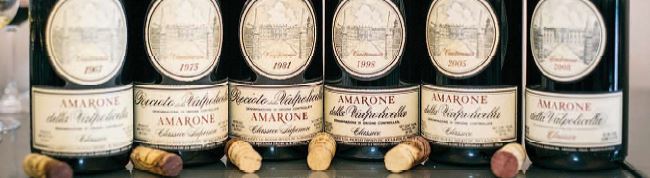
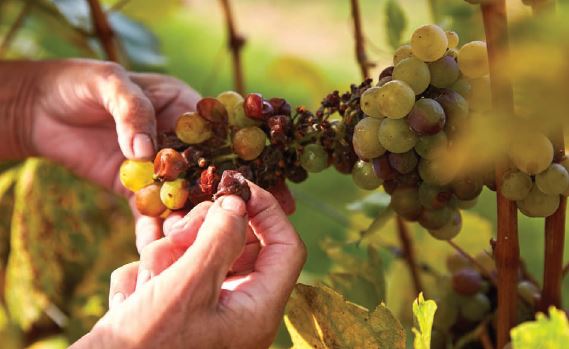
Deconstructing Aged Amarone

For Lonardi, the drying process known as appassimento that’s used to make Amarone produces wines that are expressive of terroir. Researchers studying
the compounds found in Corvina—the indigenous grape that is the foundation of the wine’s blend—agree. Typical markers for Corvina include balsamic and tobacco notes that increase during appassimento, and the presence of these markers in aged wines points to specific vintage conditions.

Renaissance for Chile’s Itata Valley

Wine culture in Itata Valley, the northernmost of Chile’s three southern wine regions, exemplifies what is known as “evolution in isolation.” Experiencing no phylloxera and only a modest incursion of international grape varieties, this isolated region has held on to its heritage grapes and ancestral winemaking practices seldom found beyond its borders.

Five Decades for California’s Class of ’72

Of the California wineries celebrating their 50th birth year in 2022, six gathered to mark the occasion with a retrospective tasting at The Culinary Institute of America at Greystone in St. Helena. Each dazzled us with three wines while reflecting on five decades of harvests and providing a snapshot of their current vintages.

Honing perception with chocolate and fragrance: a feel good task

In an effort to expand my perception beyond my daily work with beverage alcohol, I tackle the evaluation of chocolate and fragrance a few times each year by judging hundreds of products as part of an unpaid panel.

Flavor-tripping with the miracle fruit Asaba

As a species, we’ve been eating and drinking to intentionally alter our states of perception ever since. For generations, the indigenous peoples of the Congo, Nigeria, and Ghana have used the fruit (and leaves) of Synsepalum dulcificum, a shrub indigenous to West
and Central Africa, in ethnomedicine. The taste-altering properties of this flavorless, bright-red berry—dubbed “the miracle fruit,” it’s about the size of a coffee bean—make for a fascinating sensory experience.

Learning to Perceive

While perceptual learning plays an important role in evaluating wine, there’s another phenomenon related to perception that arises from the wine itself: perceptual interaction. When our olfactory system
is confronted with complex aromas, we often perceive them as a single aroma due to odor blending in a process known as
configural perception (our perception of the smell of coffee as a single aroma is just one of many examples).

Age drives complexity in sparkling wine

After tasting the Piper-Heidsieck Hors-Série 1971 ($499), a rare, late disgorged Champagne that spent 49 years resting peacefully on its lees, I was inspired to delve deeper into the role yeast autolysis plays in the flavor development of sparkling wine.

The duality of-smell phenomenon

Our sense of smell is based on two delivery pathways, orthonasal and retronasal; that makes it the only “dual sense modality” we possess, one that provides information about things both external and internal to the body.

Sneak peek at the Slow Wine Guide USA 2021 print edition

Slow Wine debuts its first stand-alone guide which has been expanded to cover the wineries and wines from the United States’ major wine growing regions of California, Oregon and Washington and New York states.

France protects sensory heritage

An infamous rooster named Maurice and a gaggle of contented geese have helped ensure biodiversity in France. In the face of complaints about the noises and smells typical of the countryside, the French Parliament passed a law on January 21, 2021, protecting what it calls the “sensory heritage” of its rural areas.

Vodcasting for Success

Vodcasting is where podcasting is headed. Superb vodcasting relies on the format you use and the quality and reliability of your recording software and internet connection.

Bobal: Past, Present and Future

Iron Age wineries tamed the ancestor of the indigenous Bobal vines of Utiel-Requena.

The Pride of Piedmont

In early February an unprecedented gathering of approximately 200 producers of Barolo and Barbaresco arrived in New York City to present their 2016 and 2017 vintages to the trade. They gathered at Center415 in midtown Manhattan for a walk around-tasting that ran for five hours; a boon for tasters who for once had time on our side.

Taking Control of Total Package Oxygen

The oxygen transmission rate (OTR) of a wine closure is just one of several factors that contribute to the total package oxygen (TPO) in a bottle of wine.

In Pursuit of Sensory Literacy

When Sonoma’s La Crema Winery turned 40 last year, it celebrated the milestone with a unique exercise: Led by Dr. Henry “Hoby” Wedler, it was easily one of my top sensory experiences of 2019.

World Bulk Wine Expo 2019

Watch highlights from the 2019 World Bulk Wine Exposition.

Wine 123: Causation and Detection of Wine Defects Offered at Santa Rosa JC

I’ll be teaching Wine 123: Causation and Detection of Wine Defects at Santa Rosa JC next semester (Spring 2020). Check out our video courtesy of the Distance Learning department’s Emily Hansen –

Your guide to the Slow Wine Guide 2019 (free download)

The 2019 Slow Wine Guide (free download) arrived in San Francisco on Monday, March 4th, for the Guide’s first stop on a tour of the US that included Portland, Denver, New York and Boston. With more than 100 wineries from Italy and California participating, the tour drew a record number of tasters reflecting the growing interest in wineries whose values and practices are aligned with Slow Wine.

First-ever Slow Wine Guide to Oregon and second California edition coming online…

First-ever Slow Wine Guide to Oregon and second California edition coming online… First-ever Slow Wine Guide to Oregon and second California edition coming online… — Read on dobianchi.com/2019/01/24/michael-alberty-wine-writer/

WSET 50th Anniversary Week: Professional Development Mixer at Balletto Vineyards

Save the date. On September 9th WSET alumni and anyone interested in learning more about WSET certification courses are invited to join Deborah Parker Wong, DWSET and host John Balletto for a professional mixer celebrating WSET’s 50th anniversary at Balletto Vineyards.

WSET 50th Anniversary Week: Professional Development Mixer at McEvoy Ranch

Save the date. On September 15th WSET alumni and anyone interested in learning more about WSET certification courses are invited to join Deborah Parker Wong, DWSET and instructors Susan Lin, DWSET and Connie Poon, DWSET for a professional mixer celebrating WSET’s 50th anniversary at McEvoy Ranch. The walk-around tasting and informal information sessions with instructors will run from 3:30 PM – 6:30 PM and are free of charge. RSVPs are requested by September 5th to dpw@sommjournal.com The idyllic McEvoy Ranch, located at 5935 Red Hill Rd. in Petaluma, was founded in 1990 by Nan McEvoy and began producing limited-edition wines from the recently-established Petaluma Gap AVA in 2010. Nion McEvoy, Nan’s son, became CEO in 2014 and introduced wines showcasing non-estate vineyard blocks and the Saimuun line of wines imported from Italy. McEvoy expanded their selection of oils and the Culinary Collection which is sourced from neighboring farms and like-minded artisans in 2016. 2019 marks the 50th anniversary of The Wine and Spirit Education Trust (WSET), the world’s largest wine educator with courses available in over 70 countries in more than …

Fifty Years of Secco Bertani Amarone

When winemaker Andrea Lonardi took the stage at September’s Full Circle Beverage Conference in San Francisco to present a tasting of Bertani Amarone Classico, he had what amounted to a Sommelier Justice League by his side: Master Sommeliers Brian Cronin, Tim Gaiser and Peter Granoff, all of whom provided perspective and humor as they tasted through 50 years of Bertani winemaking prowess. Born and raised in a vine-growing Veronese family, Lonardi began his tenure at Bertani in 2012. Although he didn’t personally make any of the wines that were tasted during the masterclass — the 2008 Amarone was bottled in 2016 — the pride he showed while presenting them was rather paternal. “The wines we are making today will be presented by another winemaker 50 years from now,” he told attendees. The Birth of Bertani Amarone Being both modern and ancient, Amarone is a paradoxical style; its rising popularity and commercialization in the 1950s gave the Valpolicella region a wine of true cult status; one that holds its own next to ageworthy Barolos and Brunellos. …

Residual light and the color gradation of rose

While the level of residual sugar plays a role in the finished style of a wine, the color of all wines—and the color of everything we see, for that matter—is determined by residual light. Any systematic analysis of wine begins with a careful observation of color and what we see is the result of light waves being reflected by compounds in the liquid. The plant pigments associated with flower and fruit coloration are known as flavonoids, with the most commonly known being the anthocyanins—derived from the Greek words for flower and blue, anthos and kyanos. These water-soluble pigments found in leaves, stems, roots, flowers, and fruits show us red, purple, or blue hues depending on their pH levels. Read the article here Residual Light June-July 2018s

Third Year’s a Charm for Willamette: The Pinot Noir Auction

Seventy eight lots of barrel-selected 2016 Pinot Noir and three collaborative lots of Chardonnay were auctioned by the Willamette Valley Wineries Association on Saturday, April 7 at the Allison Inn & Spa in Newberg, Oregon. The event which is now in its third year raked in a total of $800,000, an amount that bested the 2017 take by more than half and exceeded expectations for both average lot ($9,099) and bottle price ($124). The exceptional quality and range of style of the 2016 vintage was showcased at preliminary tastings held April 6th at Domaine Drouhin Oregon and Stoller Family Estate and the auction lot wines were poured for final consideration during the few hours preceding the live auction. 2018 auction chair Laurent Montalieu, owner and winemaker for Soléna Estate and Hyland Estates, said “We expect 2016 to go down in history as a benchmark year for Oregon.” Returning auctioneer Fritz Hatton met little resistance from an enthusiastic crowd of national and international bidders almost half of whom were first-timers at the event. Antica Terra winemaker …

Climate change a double-edged sword for Amarone producers

This year the Consorzio Tutela Vini Valpolicella marks its 50th anniversary, a milestone that coincides with the release of the challenged 2014 Amarone della Valpolicella vintage one that allowed the top performing wines presented during the anteprima tastings to stand apart. Due to wet conditions that delayed ripening and diluted fruit concentration, the consorzio wisely moved to reduce the 2014 production of Amarone by approximately half.  As a result, there were 50 percent fewer wines presented at the anteprima in January when 43 wines were poured at the blind tasting in comparison to 83 in 2017. My list of the wines that scored 89 points or greater can be found below. While vintage conditions in Valpolicella have become increasingly variable, according to University of Verona Professor Maurizio Ugliano climate change is actually working to hasten the drying process that is so critical to the production of Amarone. Regulations stipulate that producers are allowed to cool the air in the fruttai or drying rooms using fans but they cannot artificially heat it.  As such, warmer conditions …

Aszú revolution: Modern styles redefine Hungary’s historic elixir

From grapes desiccated by noble rot in the Tokaj wine region of Hungary burst forth a plethora of traditional and modern wine styles. Rarest among them is the world’s sweetest and most complex grape elixir, Eszencia: a honey-like nectar once reserved for royalty that’s been coveted for centuries. The long history of wine made from aszú fruit (originally meaning “dried grapes,” the term has evolved to include grapes with high sugar levels affected with noble rot, or Botrytis cinerea) in Hungary dates to the mid-16th century. By the year 1737, a three-tier classification system of the Tokaji vineyards was in place—notably predating the sweet wine classification of Port by several decades and Sauternes by more than a century. Sweet and aszú Tokaji wine styles rely on clean fruit, botrysized bunches, or individual aszú berries. The latter are picked in multiple passes through the vineyard and then worked into to a paste or dough; varying amounts of this material are then macerated in fermenting must or wine. The two main grape varieties allowed are Furmint and …

Amorim's Dr. Paulo Lopes.

The Myth Buster: Dr. Paulo Lopes dispels long-held beliefs about cork

When it comes to wine storage, old habits are hard to break. But Dr. Paulo Lopes, Research and Development Manager at Amorim Cork, advises that if temperature and humidity are maintained at the correct levels, wine can be stored upright with no ill effects. In fact, sparkling wine should always be stored upright: a little-known fact that seems lost on many wine experts. During the course of his groundbreaking research, Lopes has seen no difference in the amount of oxygen found in wines that have been stored horizontally or vertically. Using science to debunk the myths that persist within wine culture is liberating largely because the facts can be even more compelling than the misleading maxims. In his recent presentation at the San Francisco Wine School on the reductive and oxidative nature of wine, Lopes made it abundantly clear that, after bottling, the main source of oxygen in wine comes from the cork itself. Atmospheric oxygen doesn’t make its way through the cork (neither does mold, for that matter); rather, the air trapped in cork’s …

The gifts of Bacchus: Gilding the lily with Bordeaux Gold

The Gifts of Bacchus: Gilding the lily with Bordeaux Gold

The dark matter of dirt

With millions of unknown species existing in a ton of soil, biologist Edward Osborne Wilson has called bacteria “the dark matter of the biological world.” While our knowledge of the roles known bacteria play in the vineyard enables us to make delicious wine, the unknown far exceeds the understood when it comes to analyzing these soil microbiomes. According to biochemist Paco Cifuentes, who has compared studies from hundreds of vineyards, there’s a distinct kingdom of organisms found only in soils farmed sustainably with organic fertilizers. When evaluating the health of a vineyard, the presence of these organisms becomes a marker for sustainability and diversity. “In a conventionally-farmed vineyard, you’ll find on average 500–700 different types of microorganisms,” says Cifuentes. “In sites that are farmed sustainably, we find anywhere from 1,000–1,200 microorganisms, the majority of which are bacteria.” This promotes an environment of checks and balances where beneficial organisms can effectively suppress harmful organisms and help prevent disease. That vast array of potentially present microorganisms includes “a dozen or so very distinctive organisms that never show …

Incredible bulk: The changing nature of the international bulk wine market is creating opportunities

It’s estimated that roughly 25 percent of the world’s wine production is sold as bulk wine, a segment that’s described by one broker as the industry’s “soft underbelly” and exists for most consumers in the form of virtual brands. With the rise in popularity of bulk wine-derived, private label brands (brands developed for retailers, hotel chains, and restaurants, which sell them directly to consumers) and more producers entering the market in recent years, bulk wine has shed its low-rent image and become a hot commodity. With a healthy 6 percent annual growth rate for the last six years—and no signs of lagging—capitalizing on the continuing growth that’s predicted for the global bulk market depends largely on where you sit in the value chain. Identifying opportunities means navigating between the supply side of producers, brokers, and contract suppliers, and the demand side that includes retailers and on-premise operators. Short-term supply outlook Staying one step ahead of expansions and contractions of the bulk wine market is key for short- and long-term planning. Increasingly, brokers and contract suppliers …

Red blends: Greater than the sum of their parts

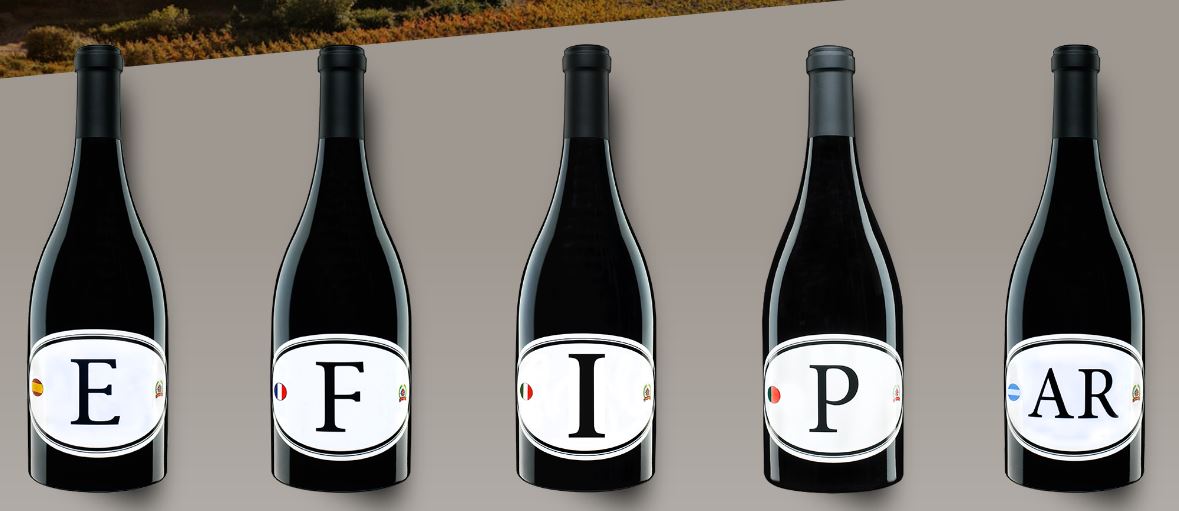
While researching the current popularity of blended wines in preparation for a talk at the 2017 International Bulk Wine and Spirits Show about blends that begin life as bulk wine, I discovered white blends emerged as the exception rather than the rule. Consumer preferences for monovarietal white wines—Sauvignon Blanc is currently the fastest-growing white variety—are the likely drivers there, but that doesn’t stop winemakers from creating successful proprietary blends. In 2014, blended wines accounted for more than 40 percent of new entries to the U.S. market, with the lion’s share going to reds (29.3 percent) and whites accounting for just 1.9 percent. When surveyed, domestic consumers said they liked blended wines because they are experimental, interesting and trendy with better value. But it’s not the classic blends from regions like Bordeaux, the Southern Rhône, Valpolicella and Rioja they’re referring to; it’s the under-$25 blends that are marketed as nothing more than just that—blends. One striking example of success with modern blends is Dave Phinney’s Locations Wine portfolio, which goes even further by eliminating vintage and relying …

Edetària: Benchmark wines of Catalonia’s Terra Alta DO

Terra Alta is the most westerly of Catalonia’s DOs which are clustered around Barcelona and include Alella, Conca de Barberá, Costers del Segre, Empordà (on the border of France), Montsant, Penedés, Plà de Bagés, Priorat (DOPQ) and Tarragona. Both Cataluña and Cava are broader designations that also apply to the Catalonia region.

Sicily’s native grapes and the dawn of Italian wine culture

Sicily’s native grapes and the dawn of Italian wine culture.

IBWSS Recap: a first for California

The IBWSS was the first-ever bulk and private label wine and spirits event in California Close to 1500 wineries, distilleries, importers, distributors and retailers met in San Francisco for the debut of the highly anticipated International Bulk Wine & Spirits Show on July 26 & 27. At the event, suppliers and buyers traded and attendees learned about the latest trends in bulk wine and spirits, including methods to use private labels as a way to win over customers, boost loyalty and drive new sources of revenue. The event saw unprecedented success with most exhibitors walking away with deals or potential contacts with buyers. Exhibitors had the chance to meet buyers from Gallo wines, Trader Joe’s, Kroger’s, Bevmo amongst many others.  Buyers came from all over the United States and were not limited to the vicinity of the Californian wine industry. In the post-event survey, 80% of the exhibitors reported a high level of satisfaction with the show quoting that they were pleased with the number and the quality of buyers that they met at the …

The trilemma of primary, secondary and tertiary aromas

Primary wine flavors (the combination of aromas and tastes) come from the grape variety itself and are almost always fruity except when they’re not. Secondary aromas are those associated with post-fermentation winemaking and include yeast, lees, yogurt, cream, butter or cheese and a full spectrum of flavors derived from oak. Tertiary flavors are defined as deliberate oxidation, fruit development, bottle age or any combination thereof.

Campania Update: Focus on Falanghina del Sannio DOP

If you’re keeping tabs on wine quality in Southern Italy with its myriad indigenous grape varieties and oftentimes limited access to distribution, this update on the Sannio DOC should prove to be useful. Through a combination of research trips to Campania and the opportunity to judge the Radici del Sud “Roots of the South” wine competition which has been held in different venues in the town of Bari, Puglia since 2006, it provides a look at the key factors for the region and a snapshot of wine quality.

Day 1 of the IBWSS

The International Bulk Wine & Spirits Show (IBWSS) kicked off in San Francisco on July 26 with a packed exhibition hall and a keynote address from Bobby Koch, President and CEO of the Wine Institute. That led to a full day of presentations, workshops and master classes from some of the top names in the bulk wine and spirits industry.

Horizons left to chase: Q & A with One Mind Institute’s Brandon Staglin

Brandon Staglin, recipient of the Mental Health Association’s 2017 Clifford W. Beers Award, has been recognized as the nation’s leading consumer advocate for improving treatment and attitudes toward people who live with mental health conditions. Having recovered from schizophrenia, an illness that affects two million people living in the United States, Staglin is both a role model and an inspiration. He is the Board Director for the One Mind Institute, a non-profit dedicated to funding brain health research founded by Shari and Garen Staglin in 1995, and Director of Marketing and Communications for the Staglin Family Vineyard. In the below interview he talks candidly about his work and life experiences. What would you say to someone who has a family or community member who has been diagnosed with schizophrenia to help them understand that it’s possible to manage and overcome the disorder? Managing schizophrenia can be a challenge, but one that I have been able to meet and succeed at. One of the most helpful things I’ve done toward returning to wellness has been to …

Q & A with CEO Sid Patel, The International Bulk Wine and Spirits Show

San Francisco continues to be one of the world’s most important destinations for leading players in the wine industry, so it’s no surprise that a major conference dedicated to the private label and bulk trade is making its way to the city on July 26-27.

A Sparkling Continuity: Jordan Cuvée Champagne by AR Lenoble

In more ways than one, Champagne has begun infiltrating wineries in Sonoma and Napa counties. With several unprecedented examples that include Napa cult wine producer Sinegal launching its brand in conjunction with a prestige Champagne house, Sonoma’s Buena Vista Winery–branded Champagne and the unique partnership between Jordan Winery and the grower Champagne house of AR Lenoble, there’s a trend in the making.

Pyrazines: A double-edged sword

Pyrazines—too much of a good thing and they’re a fault; absent in varieties like Sauvignon Blanc and they leave something to be desired. In relation to bitterness, pyrazines can be the source of a flaw or fault, but that’s just one of many ways they can impact wine flavor. Ask any maker of Bordeaux varieties, someone who grows grapes in a marginal climate or experiences a colder vintage, about their concerns, and they’ll surely count elevated pyrazines among them. Admittedly, pyrazines are a double-edged sword. Without them we wouldn’t have the expansive range of wine styles that are possible from Sauvignon Blanc or the markers that help us identify the family of Bordeaux varieties and the likes of Carmenère. But in the extreme, pyrazines dominate wine at the expense of other varietal flavors. We’ve all tasted them—from pungently herbaceous boxwood (the polite reference to cat pee) and jalapeño pepper in Sauvignon Blanc to rank green bell pepper or even weeds in red wines that haven’t achieved physiological ripeness. Pyrazines are the family of volatile organic …

It’s a small world

Microbial fingerprints leave their mark on winery and vineyard sites — and on finished wine.

The good, the bad and the ugly

Many who consider the sensory evaluation of wine to be a purely subjective exercise cite our differences in perception as the basis for that belief. While it’s true that our abilities to perceive aromas and tastes vary, using an olfactometer we’re able to accurately measure the thresholds at which different tasters perceive the volatile organic compounds found in wine. Research has also shown that a like group of tasters, those who are equal to the task, can consistently gauge the intensities of the aromas, tastes and structural aspects of wine. Compared to humans, who scientists believe can detect in excess of one trillion odors and identify a few thousand, the latest generation of olfactory and gustatory biosensors can detect up to 350 smells in about 15 seconds. Developed by a molecular biologist and nanobioscientist in Grenoble, France, the Aryballe Technologies NeOse Pro, a handheld e-nose that made its debut at the Consumer Electronics Show this January, uses surface plasmon resonance imaging (SPRi) and biochemical sensors to analyze volatile organic compounds responsible for aroma and taste. …

Your glass is half full

Minerality — Without question the most controversial and elusive of wine descriptors.   This comes as no surprise given that the exact definition of what minerals themselves are is still under debate and has been expanded as an element or compound formed through “biogeochemical” processes.  Nutrient or dietary minerals—single elements like manganese, potassium, magnesium, iron, phosphorus, calcium, copper and zinc—are minor components of red wine. White wines have small amounts of iron, calcium, potassium, phosphorus and zinc. A serving of wine can also contain several milligrams of halite, the mineral salt (sodium chloride is the chemical name for salt), and we can accurately describe its taste in wine as saline minerality. Knowing that wine contains minerals, why is describing minerality so problematic?  Largely because aside from halite, nutrient minerals are essentially tasteless. Only when they’re in a highly concentrated liquid form, for example as a dietary supplement, do they taste offensively bitter. But the elusive flavors we describe as “mineral” in some wines can be readily attributed to specific compounds. The two of the most common …

Customizing for the curated economy

Just a few short years ago, integration was one of the biggest hurdles facing wineries of all sizes as they worked to combine mobile point-of-sale (POS) and customer relationship management (CRM) systems with a host of disparate back-end systems. The industry’s software as a service (SaaS) providers have responded by offering robust bundles of subscription services that address every aspect of winery management and sales cycles. While challenges still exist, particularly for capturing disparate social media channels and CRM, wineries of all sizes have effectively closed the gap on integration. Today, customization has emerged as the newest challenge confronting both business-to-consumer (B2C) and business-to-business (B2B) wine sales. According to Dave Dobrow, vice president of business development and marketing for Copper Peak Logistics, who recently spoke on a panel addressing customization at the Ship Compliant 2016 conference, wineries are doing a good job embracing the curated economy. “The subscription food business has gone berserk and wineries are looking to copy that success offering wine club shipments that are specifically curated to add value and recreate the …

Veneto Consortium Debuts at 2016 Wine Bloggers Conference

The Prosecco wines of Italy’s Veneto region, home to the country’s greatest concentration of winegrowing areas designated as DOC and DOCG, are charming the socks off consumers in mature markets like the United Kingdom and besting other sparkling imports in growing markets like the US. Bubbles from the Veneto may be trendy but they’re no “it girl.”  Their quality and appeal are definable and they’re not the only wine style that stands to benefit from the collective efforts of the newly-formed (IDVES) or Consortium of Italian Wine and Food of no less than 21 premium producers who have allied to promote the region’s gamut of wine styles. In a country that produces one quarter of the world’s commercial grape varieties and where the global demand for Brunellos and Barolos often outweighs their supply, the traditional wines of the Veneto have stood the test of time. The ancient method of appassimento which produces both dry Amarone and sweet Recioto wines serves as proof that although popularity may wane, quality never really goes out of style. As a …

The Dawn of Agtech

Agricultural drones may be creating plenty of buzz, but their terrestrial cousins — the robots — are poised to make their commercial debut. Next year promises to be the year of the agricultural robot. With the altruistic vision of creating a sustainable society where future generations are free from worry about food security and safety, the world’s first robotic lettuce farm will go into production in 2017. Kyoto, Japan-based company, Spread, has retooled an indoor vertical lettuce plant where robots will plant, water, harvest and trim up to 30,000 heads of lettuce every day. The automated plant will reduce labor costs by 50%, cut energy use by 30% and recycle 98% of the water needed to grow the crops. The company has plans to build similar robot farms to grow staple crops and plant protein around the world. Growing lettuce in a greenhouse is a far cry from managing a vineyard, but from apple harvesting robots that can carry bins of fruit weighing half a ton, to grapevine pruning rovers that make surgical cuts, several …

Riedel celebrates 260 years of glassware expertise

There’s no question that glassware can alter our perceptions of wine. It’s a phenomenon experienced by every resourceful consumer who has pressed a plastic cup into service when a wineglass wasn’t close. While the proliferation of shapes intended to complement or enhance specific wines has been met with skepticism from certain corners, without empirical evidence to the contrary, simply increasing the measure of enjoyment that’s obtained from a glass of wine has validated the practice and the efforts of Austrian glassware maker Riedel. Science has already provided empirical evidence that makes a case for the superiority of wine glasses for the appreciation of wine. Using a thermal imaging technique, Japanese researchers have captured pictures of ethanol vapors volatizing from a wine glass in a ring-shaped pattern, with the area of lowest alcohol in the center. This “donut hole” effect allows for greater appreciation of volatile aroma compounds without the added interference from ethanol. When wine was tested from a Martini or straight glass it didn’t exhibit a ring shaped-vapor pattern, proof enough that wine glasses …

The Entourage Effect of whole plant medicine

Within the last decade, scientists have discovered hundreds of biologically active nutrients called phytochemicals, which are found in whole, unprocessed foods. There’s pterostilbene, a powerful antioxidant found in almonds, blueberries and Pinot Noir grapes that enables cells to break down fat and cholesterol; compounds like lycopene, which colors tomatoes red, and anthocycanin, which gives berries their deep hues of blue. And of course, there’s the world of phytocannabinoids, cannabis-derived compounds including the famously psychoactive THC, as well as the less-known such as CBDV, a proven anti-epileptic. Food and health researchers have long concluded that while our bodies readily absorb these kinds of nutrients from whole foods, our ability to absorb synthetic, isolated supplements is limited at best. That’s exactly what cannabis researchers at the Hebrew University of Jerusalem discovered when comparing the efficacy of whole-plant cannabinoid (CBD) extracts with synthetic, single-molecule CBDs. As the pharmaceutical industry rushes to market synthetic CBDs, research points to what’s called the “Entourage Effect,” wherein compounds working together synergistically in whole-plant medicines amplify the overall effects and benefits of the medicine. When comparing synthetic CBDs with whole-plant extract, the Israeli researchers observed a narrow therapeutic window that limits the usefulness of the synthetic form and a …

Bitterness: Examing the chemistry behind the taste sensation

Humans are particularly sensitive to bitterness. Thanks to a small but novel family of 30 genes, we can perceive thousands of bitter compounds. Our ability to discern bitter tastes evolved as a way to keep our early ancestors from eating poisonous plants. Bitterness is a taste sensation that we experience when monomeric flavonoid phenols, the compounds that are responsible for bitterness in wine, reach the bitter taste receptor cells on our taste buds. As the receptors send electrochemical signals to the gustatory cortex, we experience bitterness. To what degree determines whether we consider a wine to be merely complex, flawed or faulted. Read the entire article here –Bitterness June July 2016  

Bronco’s Bright Green Future

A focus on sustainability
drives progress as Bronco
Wine Company hits a
1 billion bottle milestone.

The Quality Threshold

On Either Side of the Andes

Visits by two winemakers who work on either side of the Andes provided some perspective on the terroirs being targeted in Chile and Argentina for ultra-premium Cabernet Sauvignon, Malbec and cooler-climate varieties, including Pinot Noir and Chardonnay.

The Minor Components of Wine

Wine is, for the most part, water and ethanol which in turn become vehicles for the minor components that are largely responsible for aroma, taste and texture. Through the efforts of researchers at the University of California at Davis and the University of Burgundy in Dijon, our understanding of wine’s biochemical landscape is expanding rapidly. Research focusing on metabolites known as metabolomics, the scientific study of the set of metabolites present within an organism, cell or tissue, has now validated the concept of terroir by showing that every vineyard and every wine has a fingerprint that, like our own, is utterly unique. At the metabolic level, wine contains a record of how it was made—a fingerprint that points to the origin of the oak and “memories” of sulfur dioxide additions that were made to the must. But let’s not get ahead of ourselves. Beyond general references to tannins, acids and sugars, the lesser elements of wine are usually left to their own devices. Knowing what constitutes those components and how they collectively contribute to wine …

Wine Oh TV Honors Jose “Pepe” Galante’s 40th Harvest

. 40 years of dedication to a craft is a life’s work and a milestone that demands to be celebrated. That’s exactly how I felt when long-time Catena winemaker Jose “Pepe” Galante visited San Francisco with his new releases for Bodegas Salentein. Friend and fellow wine journalist Monique Soltani of Wine Oh TV shot this beautiful photo essay of a luncheon I prepared and hosted in honor of Pepe. Enjoy this visual feast!

Lugana’s Turbiana Isn’t Trebbiano

The gentle, rolling terrain and southern shores of Italy’s Lake Garda are home to a unique indigenous white grape variety—Turbiana. Mistakenly referred to as Trebbiano di Lugana, the Turbiana grape is a relative of both Verdicchio and Trebbiano, but it’s genetically different from both, and the wines
produced from it differ as well.

UV Tank Sanitation a Viable Conservation Strategy

A new method for sanitizing stainless steel tanks and barrels using ultraviolet light is finding a receptive audience in California. The BlueMorph technology has been in development for four years and is coming to market at an opportune time. According to founding partner Alex Farren, a biochemist and toxicologist, the method known as Ultraviolet Germicidal Irradiation (UVGI) uses little or no water, no chemicals and only takes 30 seconds to install. Depending upon size, tanks can be sanitized in less than 30 minutes.

Ozone Sanitation Moves from Winery to Vineyard

In 1997 ozone was approved by the EPA as a safe and effective method of general sanitation for wineries. With the commitment to sustainable farming practices on the rise, it’s now proving to be equally useful in the vineyard. Ozone, or O3, a bluish unstable gas that smells like the air charged by lightning during a thunderstorm, is generated when oxygen and electricity are combined. At high enough concentrations, ozone-charged water becomes a chemical-free alternative to pesticides. Third-generation grower John Bacigalupi farms using many of the traditional methods he learned from his father and grandfather. Last year the Bacigalupi family marked its 50th year growing grapes in Russian River Valley and, in his efforts to be a better steward to the land, Bacigalupi continually adapts his farming practices to keep pace with the way pests and disease respond to chemical treatments.  Read the article here 2015JA_PARKERWONG_Ozone

Flash Heat Treatment Shown to Benefit Vines and Wine

Many advances pioneered by the dairy industry have improved winemaking in the cellar, but when it comes to using flash or instantaneous heat, it all starts in the vineyard. Flash pasteurization was first applied to milk in 1933. Sixty years later, flashbake ovens made their debut and, shortly thereafter, the adoption of frost prevention and thermal pest control techniques for winegrowing began making news. Fast forward two decades and you’ll find the latest generation of Thermal Plant Treatment (TPT) technology gaining interest from Oregon to Monterey. After three years of rigorous trials by Walnut Creek, Calif.-based AgroThermal Systems, trials show that patented flash heat treatments to vines are producing a host of benefits that extend well beyond the disruption of pest lifecycles. Read the article here: Flash Vine Treament  

Eclectic, Electric Lodi Zinfandel

Lodi has long been synonymous with Zinfandel. The region which is defined by seven sub-regions produces 40 percent of the state’s crop. Vineyards of old and downright ancient vines have survived due largely to sandy, Phylloxera-free soils and the popularity of white Zinfandel. As a mono-varietal red, Zinfandel’s exuberant character has made it a favorite among consumers and fueled Lodi’s focus on the production of world-class wines. As early as 2003, when there were 50 wineries in the AVA, the Lodi Winegrape Commission began evaluating wines submitted by producers as part of a selected case known as the 12 Zins of Lodi. A decade later and with over 80 bonded to its credit, Lodi Zinfandels are being made in a broader range of weights and styles which makes the prospect of a representative case even more intriguing. Read the article here: Lodi Zinfandel 42014

Bay Laurels: Catching Up With San Francisco’s Beverage Trendsetters

  The dust has settled after a flurry of restaurant openings in San Francisco last fall. Taking stock at the six-month mark, we’ve spotted a few trends in on-premise drinking and dining and not a food truck in sight. Finely-tuned beverage programs and the talents behind them are taking center stage in the reinterpretation and renovation of the City’s dining scene, one that is thriving under the direction of seasoned veterans and newcomers alike. For some, cuisine provides the soaring inspiration behind beverage pairings and, for others, it plays a solid supporting role that lets a list shine without pretension. Read the article here: Bay Laurels

Ballad of East and West: A Carneros Wine Alliance Barrel Tasting Reveals Both Sides of this Cool-Climate AVA

  When producers from both sides of the Napa/Sonoma county line that bisects the Los Carneros AVA gathered at Cuvaison for the 30th annual barrel tasting of the Carneros Wine Alliance, Rudyard Kipling’s “Ballad of East and West” came to mind. The AVA stretches east to west and encompasses portions of both Sonoma and Napa counties. Alliance winemakers offered first looks at the 2014 vintage and poured library wines as well. “It’s an exception when we’re representing Carneros,” said Anne Moller-Racke, President and Winegrower at Donum Estate in Sonoma. “We’re usually pouring under a Napa or Sonoma banner.” Read the article here: Ballad of East and West

An Oakville Retrospective: A Look at 19 Vintages of Groth Cabernet Sauvignon Reserve

  For the maker, wine requires patience; it seems to mark time at a different pace than much of the world around it. Imagine a chef who had 30 tries in as many years to master a recipe or a musician who plays one performance a year for three decades to master a symphony. For the casual consumer, however, wine is, more often than not, immediate gratification. Read the article here: An Oakville Retrospective

Taking The Cure: An Age-Old Practice Serves Up A New Classic

When applied to wine grapes and to beef, the artisanal process of drying to concentrate and increase the complexity of flavors produces a savory, umami-driven experience. While there’s no mystery behind the affinity between red wine and beef, Amarone producer Masi teamed up with local purveyor Flannery Beef for a tasting that elevated this classic to new heights. Staged at San Francisco restaurant Perbacco, Umberto Gibin’s long-running destination that serves as a home away from home for visiting Italian wine producers, Masi’s Rafaelle Boscaini and Bryan Flannery shared a few insights about their respective methods of air-curing and then let their extraordinary products do the talking. Boscaini poured a bold Masianco 2013 Pinot Grigio to accompany a seasonal composed salad and followed with two Amarone—a 2008 Riserva di Costasera and 2007 Moncenisio, a Molinara-dominant wine that ages in cherry—served with Flannery’s unique cuts of 20-day and 40-day dry-aged beef. The pairings were masterful in that they were utterly complete; the 2007 was better suited to the longer-aged rib cap, a cut formed from the outer part of the …

Non-Vintage Champagnes: Rosé And Riper Styles Are Trending

Both the French and the Brits are drinking less Champagne, but America’s obsession with bubbles is growing. Sales of Champagne in the U.S. are on the uptick even as consumers look to Prosecco and Cava to add some additional sparkle to their lives. When the Comité Interprofessionnel du Vin de Champagne (CIVC) came to town last year with a large, well-orchestrated tasting at the Fairmont Hotel, Blind Tasting focused on the Réserve non- vintage wines; the bread-and-butter category that makes up 81% of all Champagne imports to the U.S. During a briefing at Prospect restaurant, Washington, D.C.- based Sam Heitner who directs the Champagne Bureau USA pointed to rosé as a significant trend, “It’s the fastest growing segment of Champagne in the U.S. making up 16.2% (that’s 2.9 million bottles) of all shipments.” The CIVC reports that in 2013 Americans drank 17.85 million bottles of Champagne, most of which, 87%, was produced by houses, with winegrowers and co-ops exporting just 13% of their production to the U.S. Read the entire article here: Non-Vintage Champagne

Sprucing Up The Goose: A New Chapter For Goosecross Cellars

“We’re in pop-up mode,” said vintner Christi Coors Ficeli who purchased Goosecross Cellars in 2013 and broke ground on a winery expansion in November 2014. Closing the tasting room during construction wasn’t an option for Coors Ficeli, whose fiercely loyal club members are content to taste her current releases in a single-wide trailer with a view of the construction. “We’re engaging our club members in the next chapter of our winery’s story,” says Coors Ficeli.“When completed, the new winery will have a large patio area devoted to outdoor seating so we can take full advantage of our west-facing view of the Mayacamas.” Read the entire article here: Sprucing Up The Goose

Berry Sensory Analysis: A Common Language for Describing Maturity

If everyone on your winegrowing and winemaking teams shares a common language, there’s less risk involved when it comes to making crucial decisions. Few would argue that the most crucial decision a winemaker faces is when to pick. Beyond establishing intentions for the style and quality of the finished wine, making confident, proactive picking decisions relies on accurately assessing levels of ripeness. This acquired skill is on that vineyard managers and winemakers typically master through trial and error as they learn to speak the same language when describing degrees of fruit maturity and other sough-after qualities. Using the analytical method of Berry Sensory Analysis (BSA), a technique to describe the characteristics of grape maturity developed by Jacques Rousseau at the Institut Cooperatif du Vin in Montpellier, France, and introduced in Northern California by Enartis Vinquiry in 2006, winemakers can c onfidently assess fruit quality for specific wine styles and, in turn, gain more control over harvest timing decisions and production methods. Read the entire article here: Berry Sensory Analysis

One step ahead of the premiumization curve

Brand creator David Ravandi, founder of 123 Organic Tequila, found success by staying one step ahead of the premiumization curve. It’s taken twenty years but tequila has finally shed its sophomoric image and graduated to the big league. The super-premiumization of the category which has grown by 72 percent over the last decade has reached triple-digit price points and produced consumers who are confident about quality when trading up. It’s estimated that 30 to 40 new tequila brands are being introduced to the market each year. Given this dynamic and highly-competitive landscape, the resources and talent required to propel a fledgling artisanal brand to success can’t be underestimated. Of the key milestones that mark tequila’s rise from joven shooters to cask-conditioned extra anjeo, the practice of aging resposado and anjeo tequilas in white French oak was pivotal. Introduced by artisanal brand creator and tequilero David Ravandi in the early 1990s in a tequila line that he subsequently sold, the practice is now de rigueur for ultra-premium aged tequilas. Inspired by oak-aging regimes favored by winemakers, Ravandi …

High Marks for Community Colleges

Pursuing a four-year degree in enology or viticulture has been, for many students, the most direct way to gain entry into the wine industry. But that path isn’t the sole option for individuals making a career transition or those whose primary interest is acquiring the skills necessary for wine production. New certificate programs and two-year “associate of applied science” (AAS) degrees in viticulture and enology (V&E) have sprung up across the country at community colleges and state universities in New York, North Carolina, Texas, Missouri, Michigan and Ohio. Many are the direct result of the Viticulture and Enology Science and Technology Alliance (VESTA), a dynamic collaboration among universities and as many as 18 community colleges, state agricultural agencies and industry partners created to bring much-needed training to under-served winegrowing regions. Read full article High Marks for Community Colleges here.

For Natural Cork, Form Follows Function

For wine, as with most consumer goods, packaging is an obsession, and rightly so; its role in the commercial success of a product is undeniable. Packaging is usually the consumer’s first impression of a brand and it contributes greatly to the experience of enjoying wine. We touch a wine bottle repeatedly, often read and record the label in its entirety, gaze at it while we’re drinking and we may even save it for posterity. Considering the time, effort and resources that companies devote to wine packaging, labels seem to get the lion’s share of the attention. But that’s not always the case for products such as the cork which actually come in contact with the wine. “Cork tends to be treated like a commodity,” said Vance Rose, director of sales and marketing at Amorim, “and wineries often buy cork based upon price alone.” Read full article For Natural Cork, Form Follows Function here.

Tools of the Trade

Consumer acceptance of wine packaging other than glass is growing, but fine glassware remains the undisputed tool of choice for presenting, evaluating and fully appreciating wine. While both crystal and glass stemware share space on winery tasting bars, the move by wineries to upscale glassware frequently coincides with the addition of luxury tasting experiences designed to showcase top-tier wines. “We’ re seeing wineries choosing the best,” said Sylvie Laly, director of U.S. winery sales for Riedel, Spiegelau and Nachtmann. “When a winery using our non-varietal specific Riedel glass trades up to the varietal-specific series, tasting room managers can see that their consumers’ experience is being significantly enhanced, and that translates directly to increased sales for the winery.” For Riedel customers, that choice means a baseline increase in cost by about 30%. From the entrylevel Degustazione series, nonvarietal- specific glasses designed for basic wine styles, a 19.75 ounce red wine glass runs $2.99 per stem whereas a varietal-specific 21.5 ounce cabernet/merlot glass from Riedel’s Restaurant series runs $5.95 per stem. Read the full article Tools of …

Anderson Valley’s Pinot

Many Anderson Valley Pinot Noir producers time the commercial release of their wines around the annual Pinot Noir Festival and technical seminar, now in its sixteenth year. This year’s event took place in May, and some 40 producers poured their wines at Goldeneye Winery in Philo. As vintages go, 2010 and 2011 challenged producers in more ways than one. Yields were down in 2010 by as much as 30 percent due to a blast of heat in August. Fruit that wasn’t scorched that year ripened, but not overly, resulting in wines with good acidity and flavors. A wet 2011 had many producers scrambling to pick before October rains intensified pressure from botrytis. While Anderson Valley Pinot Noirs can be roughly sorted as one of two broadly-defined wine styles we’ll call “fragrant and sleek” and “bold and deep,” the string of cooler La Niña vintages that started in 2009 and continued through 2011 has closed the gap somewhat on that divide. With more generous vintages such as 2012 and 2013, which is shaping as warm and …

Rutherford Dust 2010

We’re kicking up the dust once again with the 2010 vintage presented by the Rutherford Dust Society at a blind tasting held at Beaulieu Vineyards’ Rutherford House in July. According to President Davie Piña, the Society is in the last stages of their watershed restoration project which has lessened erosion and reduced disease pressure along the 4.5 miles of riverbank that bisect the AVA. “Rutherford growers have given up eight acres of vineyard to restore the river,” said Piña who was met with a round of much-deserved applause for his pivotal role in managing the project. Across the 18 red wines shown that morning, vintage events in 2010 including cool, grey La Niña conditions punctuated by a severe heat spike and untimely rain during harvest produced a narrower range of styles. The tasting was organized moving clockwise around the AVA from west to east and conditions at Rutherford House were ideal with the wines being given time to aerate prior to the tasting. Read the full article at Rutherford Dust 2010.

Grands Crus Classés of Saint Émilion 2010

It’s alive! Unlike its Left Bank counterpart, the Saint Émilion classification is indeed a living thing. The promotion of 17 châteaux not previously classified to the status of Grands Crus Classés in 2012 made this year’s tasting of 33 (of the 63 classified) all the more interesting. Having tasted the 2009s during visits to several of these estates prior to their promotion, focus was squarely on the 2010s during the San Francisco tasting held at Terra Gallery in early November. It’s fascinating to witness change, and the châteaux, which were on an upward trajectory in 2009 for the most part, didn’t disappoint. Read the full article here at Grands Crus Classés of Saint Émilion.

Labor Crunch

Early responses to the California Farm Bureau Federation’s 2013 agricultural workforce survey point to labor shortages in excess of 30% and far more unmet demand for labor than in previous years. With the 2013 wine grape harvest beginning two weeks earlier than normal in California, at a time when the table grape harvest is peaking and berry crops are still in full swing, labor shortages were undeniable. According to Nat DiBuduo, president of Allied Grape Growers in Fresno, competition for seasonal employees is stiff as workers follow the highest-paying jobs. He cited instances of strawberry growers hiring vineyard workers, only to have raspberry growers step in and offer those workers higher wages. From all accounts, the money follows the most perishable crops. “There’s no question that wages are escalating and growers are stretching out the timing of their harvests,” DiBuduo said. “They are not getting as much fruiton the market as fast as they would like.” Fifth-generation Lodi grower Kyle Lerner was pressing chardonnay when he gave Vineyard & Winery Management an account of the …

Turning Data into Dollars

A virtual tidal wave of data is fueling the race toward accurately predicting consumer preferences and buying behavior. With intelligent computer systems now gathering information in real time, businesses of all sizes are experiencing a sea change in the way they and their customers use technology. Until very recently, we looked to the past and relied on historical data to identify current trends and to predict consumer behavior. But now we’re looking forward. Information technology has spun us around 180 degrees and given us the ability to use data to extrapolate and make predictions. With a new generation of applications being developed to predict consumer preferences and wine-buying behavior, companies of all sizes are clearly pursuing the promise of big data. “Predication is the nut that everyone is trying to crack,” said data scientist Michael J. Tompkins, cofounder and chief science officer for Houston-based startup VineSleuth. For Tompkins, whose typical project may involve millions of unknowns, wine has its own unique set of challenges. “It’s not as if we have the answer yet,” he said. …

Going to Extremes

On the first day of spring in the Southern Hemisphere, a cold, dry Zonda or rain shadow wind swept down the eastern slopes of the Andes and dropped a blanket of snow over the vineyards of Mendoza, Argentina. “It’s a beautiful sight but devastating to budding vines and fruit trees when followed by a frost,” said Andrés Rosberg, President of the Association of Argentine Sommeliers. Early-budding Chardonnay (and the stone fruit trees) in the Valle de Uco and San Rafael suffered this vintage, but frost and hail storms are the exceptions in Mendoza, where wine-growing conditions are considered less than extreme. Argentina’s most rigorous wine-growing conditions are found at the country’s extremes: from remote 10,000-foot sites in Salta to the north and the cold, arid steppes of Patagonia to the south. But the country’s wine culture traces its roots to more hospitable sites. Vines first arrived in the northern province of Santiago del Estero and were brought from Chile to the San Juan and Mendoza regions in the mid-16th century. The arrival of European immigrants …

Eyes on the prize

Once you’ve made the decision to pursue a professional certification, there’s more to making the grade than meets the eye. For anyone considering, or already pursuing,one of the beverage industry’s most rigorous professional certifications — the Wine & Spirit Education Trust(WSET) Diploma—aligning your expectations and adopting strategies will make navigating the program easier and significantly more rewarding. With only 36 Diplomas awarded in the U.S. by the London-based WSET in 2008 (WSET now lists awards by year and Approved Program Provider), the benefits of sticking out this program, which can be completed in as little as two years or self-paced over a longer period, are many. WSET certification is a proven way to differentiate yourself in any job market. Diploma candidate William Emile Bond III recently accepted a position as a Northern Wildman and Sons, where his WSET status helped him connect. “As far as credentials go, it’s a valuable thing to have on your resume,” Bond says. “The hiring manager at Wildman earned his Diploma in New York, and it definitely caught his eye …